Chase Augenstein leads content and marketing for KeeVac Industries, a Denver-based builder of septic trucks, grease trucks, portable restroom trucks, and slide-in pumper units. He covers the practical side of vacuum truck ownership, from choosing the right tank and pump setup to keeping equipment running reliably on the road, drawing on KeeVac's hands-on experience building trucks for real-world service work.
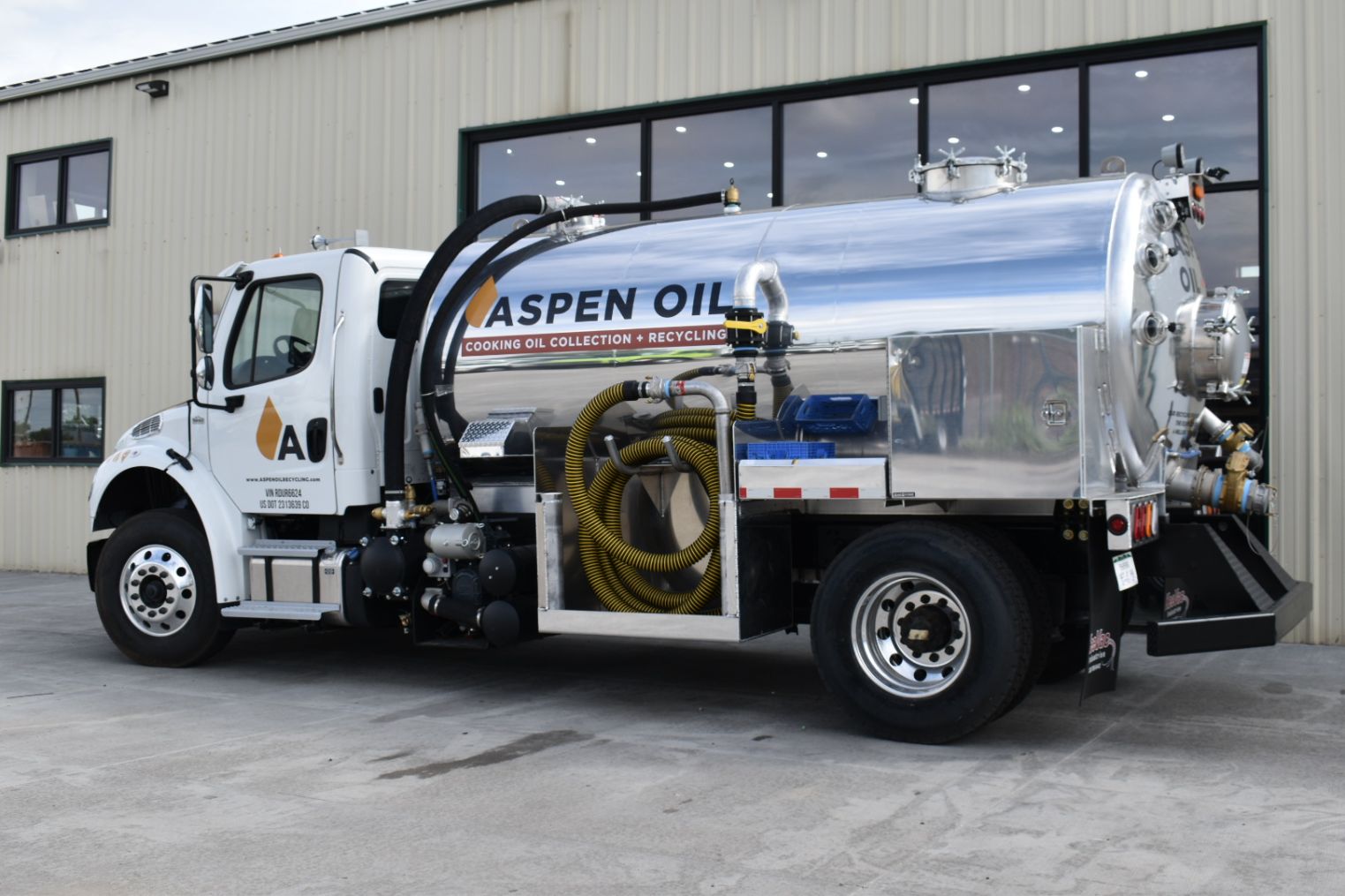
Vacuum truck tank baffles are the internal partitions that decide how liquid moves inside a loaded tank every time the driver brakes, turns, or climbs a grade. Built as perforated steel plates, bulkheads with cutouts, or drop-in modular spheres, baffles break one long column of liquid into smaller, slower-moving sections so the truck stays predictable under load. Without them, a partially filled tank is a large container where thousands of pounds of liquid can accelerate freely, whether the chassis underneath is a Freightliner, Peterbilt, Ford, or International.
Liquid hauling is never static. The fluid is always moving relative to the vehicle, and it transfers force to the frame, suspension, and tires in ways a solid payload never would. Understanding that force, and how baffle design reduces or amplifies it, matters to anyone specifying, buying, or operating a unit from KeeVac Industries or any other builder.
How Vacuum Truck Tank Baffles Control Liquid Surge
When a vacuum truck accelerates from a stop, the liquid lags behind because of inertia and presses toward the rear of the tank. When the driver brakes, that same mass surges forward. In a left turn it shifts to the right. A tank carrying several thousand gallons holds a moving mass that can hand its kinetic energy to the chassis almost instantly during any change in speed or direction.
The surge is not a single event. After the first wave strikes the front wall it rebounds toward the rear, and that back-and-forth motion continues until friction and tank geometry absorb it. Baffles interrupt the cycle. Their openings are sized to slow liquid transfer rather than permit free flow, so a wave loses energy as it passes through each partition and arrives at the next compartment with less speed and less force.
What Happens Inside an Unbaffled Tank
In an unbaffled tank the wave travels the full length of the shell unimpeded. On a long run with repeated braking and acceleration, the driver is constantly managing a load that works against the intended direction of travel. The early warning signs are easy to miss until something goes wrong:
Cab shake that increases as the tank empties out
Premature tire, brake, and suspension wear from repeated shock loading
Steering response that feels light or unpredictable during turns
A noticeable push from the load during hard stops
Why Fill Level and Liquid Density Matter
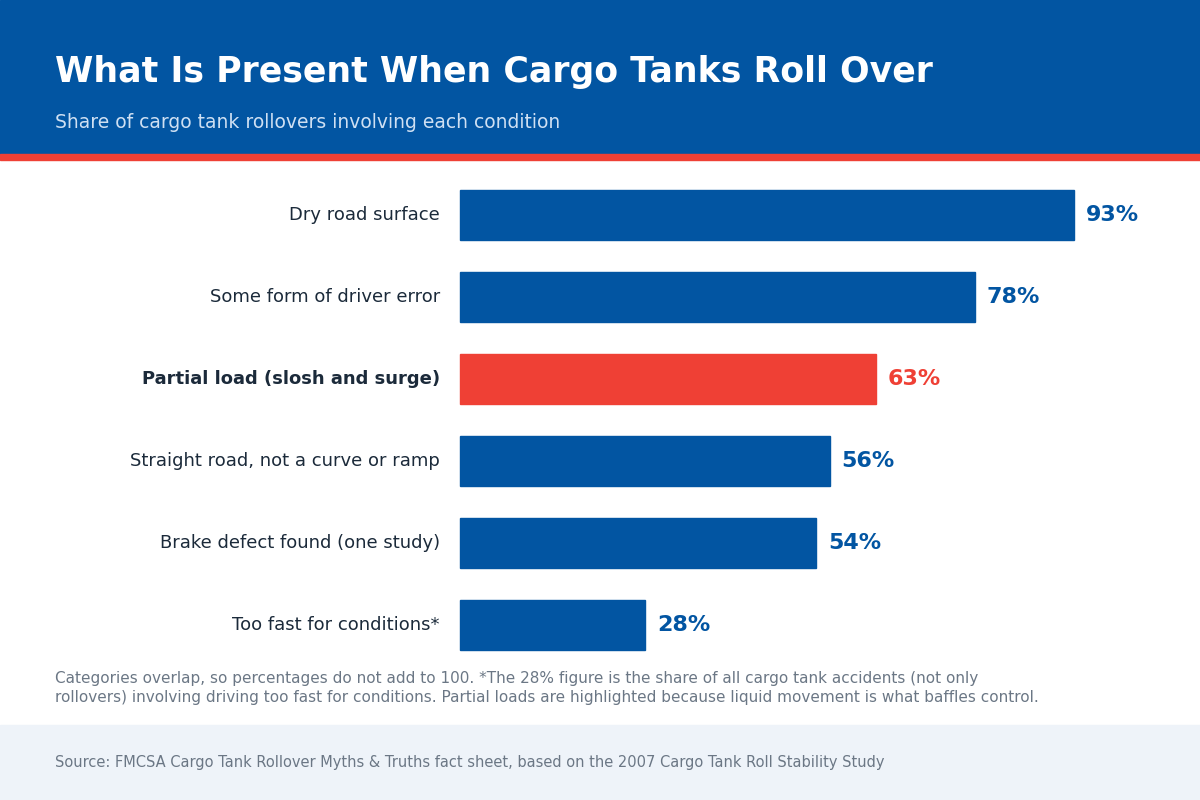
Partially filled tanks give liquid room to build momentum before it strikes a wall. The Federal Motor Carrier Safety Administration reports that 63% of cargo tank rollover crashes involved partial loads, and it tells drivers to understand the slosh and surge effect of liquid loads. A half-full tank can behave more aggressively than a nearly full one for exactly this reason.
Density adds another variable. Thin leachate moves fast and rebounds quickly, while heavy septic sludge, grease trap waste, or industrial slurry moves more slowly but carries more mass per gallon, so the force reaching the frame is larger. Weight per gallon changes with solids content, temperature, and composition, so operators should not assume a single figure applies to every material they haul. Drivers should adjust following distance, braking, and cornering speed to what is in the tank and how full it is.
Unbaffled tanks, often called smoothbore tanks, have one real operational advantage: they are easier to clean. There are no internal ledges, crevices, or extra welds to trap solids, so a pressure wash or jetting cycle clears the interior efficiently. Some slide-in vacuum units are configured this way because the work involves short, low-speed routes where surge forces are milder and fast turnaround matters more.
Baffled tanks divide the liquid into compartments. The partitions usually have cutouts at the bottom for drainage and cleaning, but those openings are sized to slow movement. Tank geometry also plays a role. Dished heads, elliptical or round cross-sections, and the placement of sumps and cleanout ports all influence how liquid settles at rest and moves in transit, so a well-engineered baffled tank accounts for all of them, not only the partitions.
Choosing Vacuum Truck Tank Baffles for Your Routes and Materials
The right choice depends on what you haul, how far you drive, and how you weigh handling margin against cleaning time. Crews servicing restaurants with grease trap vacuum trucks, for example, deal with sticky solids that make cleaning a bigger factor, while operators running long highway legs with partial loads benefit most from surge control.
Factor
Baffled Tank
Smoothbore Tank
Surge control
Waves lose energy at each partition
Liquid travels the full tank length unimpeded
Cleaning
More crevices and welds to flush and inspect
Faster to clean and easier to inspect
Stiffness under vacuum
Partitions can add internal stiffness, depending on design
Relies on shell thickness and external rings
Best fit
Highway runs, partial loads, heavy or variable materials
Short, slow routes where cleanability is the priority
Braking, Cornering, and Rollover Stability
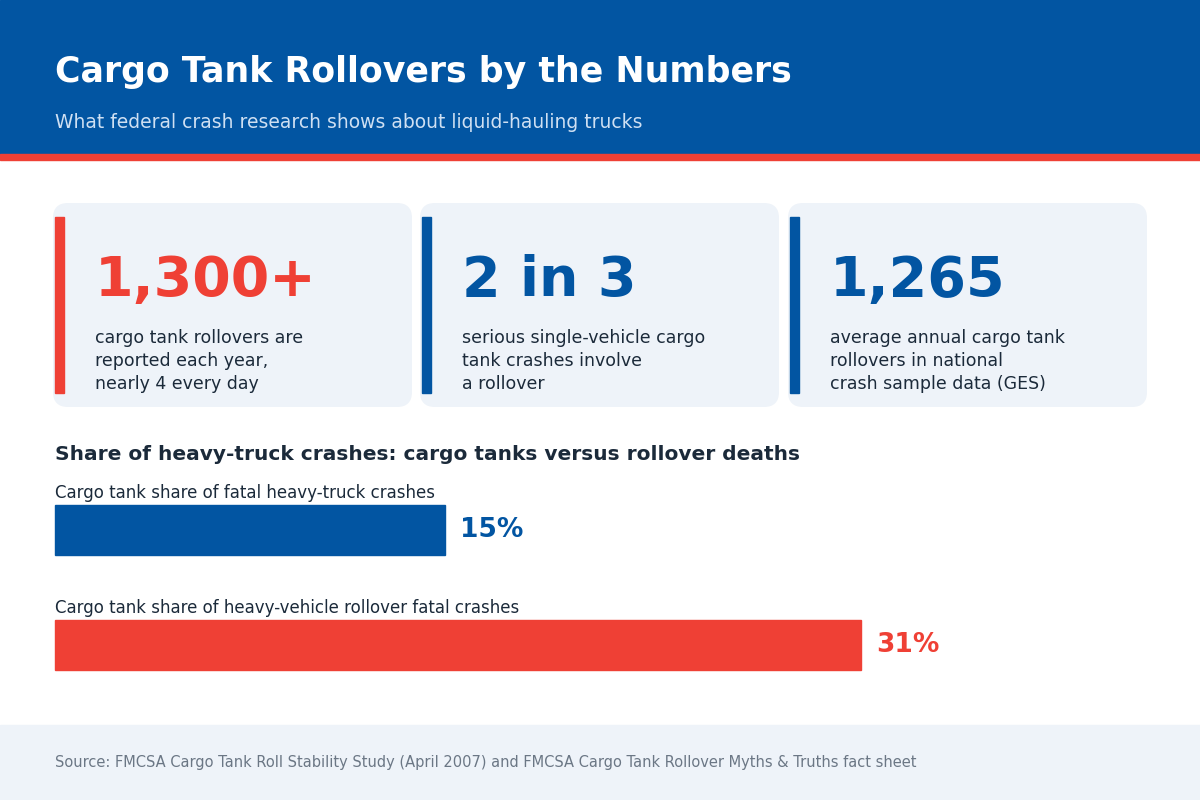
Federal crash research shows that most cargo tank rollovers involve a chain of events rather than one cause. The FMCSA fact sheet notes that driver error is involved in about 78% of rollovers, and that over half happen on straight roads. Liquid movement is one of the conditions in that chain, and it is the one baffles are built to manage.
When the brakes are applied, the truck slows but the liquid keeps moving forward and pushes on the front wall. That adds momentum at the moment the driver is trying to remove it and lengthens the distance needed to stop. Baffles slow the liquid at each partition, so the energy reaches the front wall in smaller pulses instead of one concentrated wave. No reliable public figure quantifies the stopping distance difference between baffled and unbaffled tanks under identical conditions, so treat any specific percentage with skepticism unless it comes from a controlled test on your own configuration.
Cornering and Lateral Stability
In a turn, centrifugal force pushes liquid toward the outside, which raises the effective center of gravity on that side and unloads the inside wheels. Baffles reduce the speed and size of that shift, which gives the driver more time and margin. They do not remove it. Side-to-side movement can still occur in a baffled tank, which is why cornering speed and fill level stay in the driver’s hands.
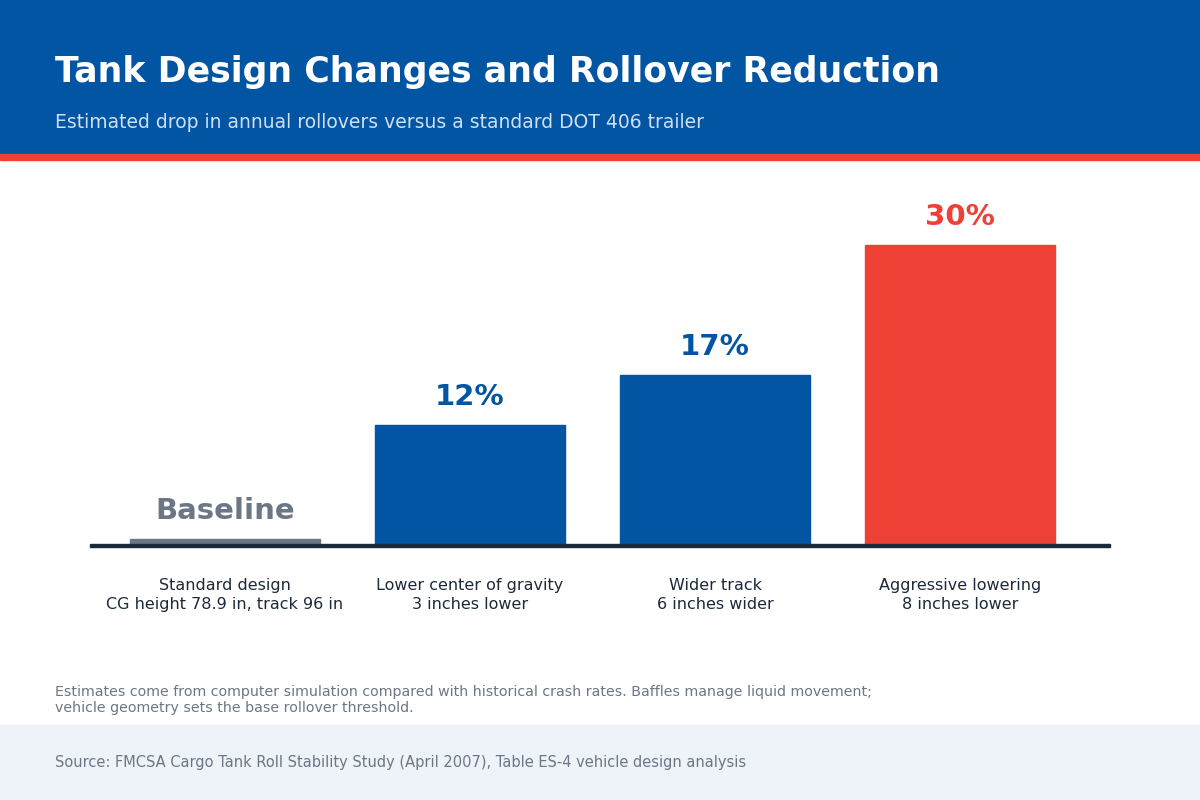
Vehicle geometry sets the starting point. FMCSA describes rollover threshold as a function of center of gravity height, track width, and lateral force, and its simulation work estimated that lowering a trailer’s center of gravity by 3 inches could cut annual rollovers by about 12%, while a 6 inch wider track could cut them by about 17%.
Properly specified baffling delivers practical benefits across the life of the truck:
Less cab shake and operator fatigue on long routes
Better traction during sudden maneuvers, because weight is not abruptly leaving the drive axles
Reduced wear on brakes, suspension, and tires from repeated shock loading
More driver margin in emergency stops and tight turns
The Structural Side of Baffles Under Vacuum
When the pump pulls a deep vacuum, atmospheric pressure presses inward on the whole shell. A tank that is not engineered for that load can buckle or collapse, and the failure tends to be sudden once the buckling threshold is reached. Builders resist it with shell thickness, formed heads, and stiffening rings. In many designs, internal baffles and bulkheads add stiffness as well, but how much depends on shell thickness, material, diameter, and the spacing of every stiffener.
That is why no single vacuum level can be called safe for every tank. Operators who regularly pull high vacuum, such as in industrial waste and excavation work, should discuss baffle spacing and shell thickness together with the builder rather than as separate line items. Protective devices matter too, and properly maintained pressure relief valves are the other half of keeping a tank inside its design limits.
Retrofit Options for Unbaffled Vacuum Tanks
Operators running unbaffled tanks who cannot replace the equipment have three main paths, each with real tradeoffs.
Retrofit Method
How It Works
Tradeoffs
Welded baffles
Plates are welded to the shell by certified welders
Closest to factory baffling, but costly, slow, and requires confined-space entry and hot work controls
Modular baffle spheres
Nested HDPE spheres are dropped in through the manway
No cutting or welding, but sphere count depends on tank volume and manway size must be confirmed first
Removable baffle plates
Segmented plates are bolted or mechanically secured inside
Can be pulled for cleaning, but the hardware adds inspection and maintenance work
Safety Requirements for Welded Retrofits
Welding inside a tank that has held hazardous waste means the tank must be thoroughly cleaned and gas-tested before any hot work begins. Entry is also regulated: OSHA treats many tanks as permit-required confined spaces, with written entry programs, atmospheric testing, and rescue planning under 29 CFR 1910.146. For many fleets, that overhead makes baffle spheres the more practical first step.
Baffle Inspection and Maintenance
Baffles are not install-and-forget parts. Liquid pounding against the plates, combined with corrosive materials such as septic waste, grease trap effluent, and industrial chemicals, degrades welds and metal over time. A cracked or detached baffle can become a loose obstruction that damages the shell or blocks the cleanout system.
Inspect baffles during every routine cleanout. With the tank empty, clean, and safely entered or viewed through the manway with good lighting, look for:
Cracks or corrosion at the perimeter weld where each plate meets the shell, since that joint carries the most stress
Rust pitting, loose hardware, or thinning on plates and brackets
Cracked, warped, or degraded baffle spheres
Baffle material that no longer suits the chemistry of what the tank carries, whether carbon steel, stainless steel, or HDPE
Fleets hauling grease trap waste, high-pH slurry, or acidic leachate should inspect more often than standard septic routes. A written vacuum truck maintenance schedule tied to each tank’s service history makes degradation trends visible before they become failures, and keeping replacement vacuum truck parts available shortens any downtime.
Specifying Baffles on a New or Custom Vacuum Truck
Baffle spacing, perforation sizing, and tank geometry should be matched to real route conditions, not chosen arbitrarily. When planning a build, bring these details to the conversation:
The materials you haul and their typical density range
Average fill level, since partial loads drive most surge problems
Highway versus short-haul mix and typical grades
Required vacuum depth and pump capacity
How often the tank must be cleaned to a high standard
Frequently Asked Questions About Vacuum Truck Tank Baffles
What is the purpose of baffles in a vacuum tank?
Baffles are internal partitions that reduce liquid sloshing during transport. They slow the movement of fluid, dissipate energy across compartments, and help keep the truck stable. In some designs they also add stiffness to the tank structure.
Do baffles make a vacuum tank harder to clean?
Yes. Partitions create crevices and weld seams where debris can collect, so flushing takes more effort. For most septic, grease, and industrial work the surge control is worth the extra labor, and removable baffle spheres can be pulled out when a tank needs a deeper cleaning.
Can you retrofit an unbaffled vacuum tank with baffles?
Yes. Options include welded baffles installed by certified welders under confined-space entry procedures, drop-in modular baffle spheres, or removable bolted plates. The right choice depends on budget, manway size, and how much surge control your routes need.
How do baffles affect a vacuum truck’s braking?
They slow the forward surge of liquid when the brakes are applied, which reduces the extra momentum pushing the truck forward. Exact stopping distance differences between baffled and unbaffled tanks are not established in public research, but experienced operators notice the difference in vehicle control, especially on downhill grades.
Do tank baffles eliminate the risk of a rollover?
No. Baffles reduce how fast liquid shifts, but they do not change the truck’s high center of gravity, and side-to-side movement can still occur. Speed management, fill level, and attentive driving remain essential. The baffle buys margin, and the driver has to use it.
How often should baffles be inspected?
Inspect them at every routine tank cleanout, and more often when hauling corrosive materials such as grease trap waste, high-pH slurry, or acidic leachate. Pay particular attention to the weld where each plate meets the shell.
Request Your Custom Vacuum Truck Quote Today
Proper baffling is a core safety consideration for any serious liquid-hauling operation. Controlling surge protects your equipment, your drivers, and everyone sharing the road, and regular inspection keeps that protection working. Call (303) 789-9440 or request a quote tailored to your materials, routes, and vacuum requirements, and let the KeeVac team build a unit that supports your business with dependable parts availability and ongoing support.
Portable restroom servicing requires equipment that can handle demanding jobs without making every route more complicated than it needs to be. For businesses that want dependable pumping capabilities without investing in a dedicated full-size vacuum truck for every route, a slide-in portable toilet service unit can offer an efficient and practical alternative. Designed to fit into the bed of a full-size pickup truck, these units give operators the ability to pump, transport, and service waste while maintaining the maneuverability and familiarity of a standard pickup.
Whether you operate a growing portable restroom company, manage a septic service business, or simply need a smaller pumping solution for specialized jobs, slide-in units can add valuable flexibility to your fleet. Understanding how these systems work, what advantages they provide, and what to consider before purchasing one can help you choose equipment that supports your day-to-day operations.
What Is a Slide-In Portable Toilet Service Unit?
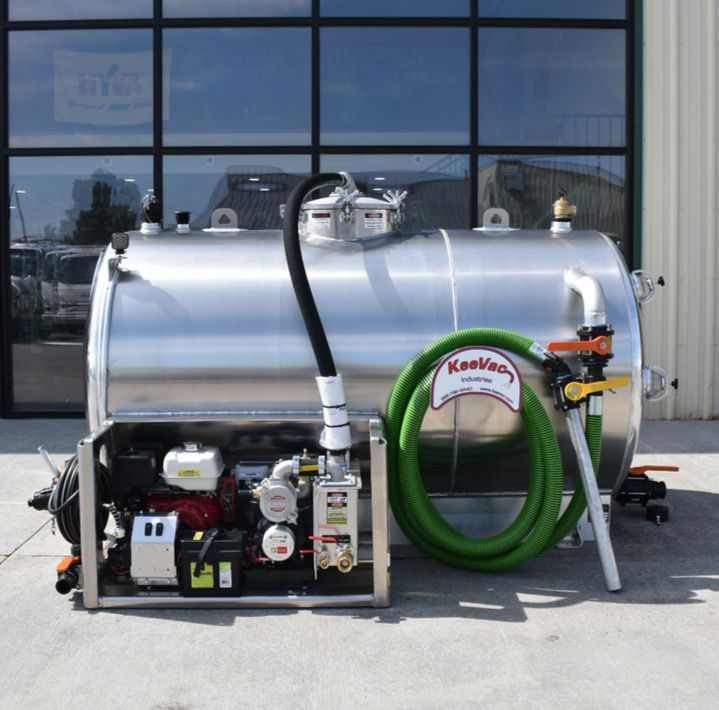
A slide-in portable toilet service unit is a self-contained pumping system designed to be installed in the bed of a pickup truck. Unlike a traditional vacuum truck that uses a permanently mounted tank and specialized chassis, a slide-in unit allows a standard full-size pickup to become a compact pumping vehicle.
Most systems combine the essential components needed for waste removal into one integrated unit. Depending on the configuration, this may include:
A vacuum tank
Vacuum pump
Hoses and hose storage
Valves and fittings
Controls
Pressure and vacuum gauges
Safety equipment
Mounting hardware
Additional storage features
For portable restroom operators, this configuration can provide an effective way to service units located in residential areas, event spaces, construction sites, and other locations where a larger truck may be inconvenient. Operators who need higher-volume capacity may still rely on full-size portable restroom trucks for their primary routes while adding a slide-in unit for supplemental or specialty work.
Key Components of a Slide-In Portable Toilet Service Unit
Each component plays a specific role in keeping a route productive, from the tank and pump down to the smallest valve. Reviewing these parts individually before purchasing helps operators understand exactly what they are paying for and how each piece affects daily performance.
Why Slide-In Units Work Well for Portable Restroom Servicing
Portable restroom servicing creates a unique set of equipment needs. Operators typically need enough vacuum capacity to complete a productive route, but they also need a vehicle that can maneuver between parked cars, travel through neighborhoods, navigate construction areas, and access tighter spaces.
A slide-in pumping system addresses many of these requirements.
Instead of relying exclusively on large vacuum trucks, operators can use pickup-based servicing vehicles for certain routes or smaller jobs. This flexibility can be especially useful for businesses handling portable restrooms across a wide geographic service area.
A properly configured unit can allow technicians to move efficiently between stops without sacrificing the pumping capabilities required for routine servicing.
Consideration
Full-Size Restroom Truck
Slide-In Service Unit
Tank capacity
Higher, suited to large or high-volume routes
Lower, suited to smaller or specialized routes
Maneuverability
Limited in tight or congested spaces
Excellent, uses a standard pickup
Fleet role
Primary route vehicle
Backup, specialty, or supplemental vehicle
Typical fit
High-volume, established routes
Growing companies, tight access, backup capacity
Greater Maneuverability on Tight Routes
One of the biggest advantages of slide-in units is maneuverability.
A conventional septic or vacuum truck can be ideal for high-volume pumping, but there are situations where its size becomes a challenge. Portable restrooms may be positioned behind buildings, inside fenced construction areas, along narrow streets, or in locations with limited turning space.
A pickup truck can often access areas that would be difficult for a larger commercial vehicle.
This makes slide-in units particularly useful for routes involving:
Residential construction projects
Downtown service areas
Outdoor festivals
Parks and recreation facilities
Smaller commercial properties
Road construction sites
Temporary event locations
Rural properties
Tight parking areas
Operators can often position the vehicle closer to the restroom, reducing the amount of hose that needs to be pulled across a property or worksite.
An Efficient Way to Expand Your Fleet
Growing portable restroom companies eventually face an important question: how do you add pumping capacity without overbuilding your fleet?
Purchasing another full-size vacuum truck may make sense when route volume demands it. However, some businesses simply need another service vehicle for smaller routes, backup capacity, or specialized assignments.
A slide-in unit can provide another option.
Because these systems are installed in pickup trucks, companies may be able to use vehicles already familiar to their technicians. Pickup trucks can also serve additional purposes within an operation when appropriate, depending on how the unit is configured and installed. For growing companies, this can provide a scalable way to increase servicing capabilities.
Aluminum Construction Offers Important Advantages
Tank material matters when selecting pumping equipment.
Aluminum slide-in units are popular because aluminum provides a useful combination of strength and relatively low weight. Keeping equipment weight under control is especially important when installing pumping equipment in a pickup truck.
Every component added to the vehicle contributes to its overall payload.
A lighter tank design may help operators make more effective use of the truck’s available capacity while still maintaining a strong, durable pumping system. Aluminum also offers excellent corrosion resistance, which can be valuable in equipment regularly exposed to moisture and wastewater.
Although proper cleaning and maintenance remain important, quality aluminum construction can provide dependable long-term performance.
Understanding Payload Capacity
One of the most important considerations when purchasing a slide-in vacuum system is vehicle payload.
Wastewater is heavy. In addition to the liquid inside the tank, the truck must support the weight of the tank itself, the pumping system, hoses, tools, fuel, driver, passengers, and any additional equipment.
Before installing a slide-in unit, operators should review the truck manufacturer’s specifications carefully.
Important factors include:
Gross vehicle weight rating
Payload rating
Front and rear axle ratings
Tire load ratings
Tank capacity
Equipment weight
Expected operating load
Never assume that a pickup can safely carry a particular tank simply because the unit physically fits in the bed.
Proper sizing and professional installation are critical. Working with an experienced vacuum equipment manufacturer or upfitter can help ensure the system is appropriately matched to the chassis.
Choosing the Right Tank Size
Bigger is not always better.
It may seem logical to purchase the largest tank available, but capacity should be balanced against vehicle payload and operational needs.
Consider how many portable restrooms a route typically services before returning to a disposal location. Companies running shorter routes may benefit from a smaller, lighter option such as a 999-gallon slide-in unit. Businesses servicing larger events or longer routes between stops may need more capacity, which is where an option like a 1,500-gallon slide-in unit can be a better fit.
Think about:
Average route length
Number of units serviced per route
Distance to disposal facilities
Typical waste volume per restroom
Vehicle payload limits
Future route expansion
Selecting the appropriate capacity can improve efficiency without unnecessarily increasing vehicle weight.
Vacuum Pump Performance Matters
The tank is only one part of the system.
The vacuum pump is responsible for creating the suction needed to move waste from the portable restroom into the tank. Pump performance affects how quickly and efficiently technicians can complete each stop.
Faster pumping can reduce service time, which may allow operators to complete more stops during the workday.
When evaluating a slide-in system, ask about the pump’s:
Airflow
Vacuum capability
Lubrication requirements
Maintenance schedule
Recommended operating procedures
Expected service life
Replacement parts availability
Reliable pumping equipment is essential because downtime can disrupt an entire servicing schedule.
Think About Hose Storage and Accessibility
Small design details can make a significant difference during daily operations.
Technicians may handle the vacuum hose dozens of times during a route. Convenient storage helps keep the vehicle organized and reduces unnecessary setup time.
Look for a system that allows the operator to easily access hoses, valves, and controls.
Good equipment design should help technicians work efficiently without repeatedly climbing into the truck bed or moving unrelated equipment. Organization also contributes to safer operations by keeping hoses and tools secured during transportation.
Easier Access Can Improve Route Efficiency
Portable restroom servicing is repetitive work. A technician may perform essentially the same sequence of tasks at every stop.
Small improvements in workflow can add up quickly.
If a well-designed slide-in unit saves even a few minutes per stop, those savings can become significant over dozens of service calls.
Efficient equipment placement can make common tasks easier, including:
Connecting the vacuum hose
Opening and closing valves
Monitoring tank levels
Operating the pump
Storing hoses
Accessing cleaning supplies
When evaluating equipment, consider the complete service process rather than looking only at tank capacity.
Maintenance Is Essential
Like any vacuum system, slide-in units require routine maintenance.
Following the manufacturer’s maintenance recommendations can help extend equipment life and reduce unexpected breakdowns.
Common maintenance tasks may include:
Inspecting hoses for cracks or wear
Checking clamps and fittings
Inspecting seals
Monitoring vacuum pump oil when applicable
Cleaning the tank
Checking valves
Inspecting mounting hardware
Monitoring gauges
Checking safety components
Operators should also inspect the vehicle itself regularly. Suspension components, brakes, tires, and wheel bearings experience additional stress when carrying heavy equipment and liquid loads. Reliable parts and service support can make it easier to keep a unit in the field instead of sitting in the shop.
Preventive maintenance can help identify problems before they interrupt a service route.
Cleaning and Sanitation Should Be Part of the Routine
Portable restroom servicing equipment should be cleaned regularly.
Waste residue can accumulate inside tanks, hoses, fittings, and valves. Regular cleaning helps maintain equipment performance and supports a cleaner, more professional operation.
Operators should establish written cleaning procedures based on the equipment manufacturer’s recommendations and applicable requirements.
Cleaning schedules may include routine tank rinsing, hose flushing, exterior cleaning, and periodic inspection of components exposed to wastewater.
A clean service vehicle also helps present a professional image when technicians are working at customer locations.
Safety Should Always Come First
Vacuum equipment involves heavy loads, wastewater, moving equipment, and pressurized or vacuum systems. Proper training is essential.
Operators should understand how to use every component of the system safely.
Basic safety practices include:
Following equipment operating instructions
Wearing appropriate personal protective equipment
Never exceeding vehicle weight ratings
Securing hoses and equipment before driving
Performing routine equipment inspections
Using approved disposal locations
Keeping valves and fittings properly maintained
Following applicable wastewater handling regulations
Technicians should also receive training on safe vehicle handling. A pickup carrying a loaded vacuum tank may behave differently from an unloaded truck, particularly when braking, turning, or traveling over uneven surfaces.
Who Should Consider a Slide-In Portable Toilet Service Unit?
Slide-in units can be useful for many different operations, but they are particularly attractive to businesses that want additional flexibility.
They may be appropriate for:
Portable restroom rental companies
Septic service businesses
Event sanitation providers
Municipal maintenance departments
Construction sanitation contractors
Equipment rental companies
Agricultural operations
Industrial service companies
They can also serve as backup vehicles when a primary vacuum truck is unavailable. For some companies, a slide-in unit becomes a dedicated route vehicle. For others, it fills a supporting role alongside septic pumping operations or a larger fleet.
The right approach depends on service volume, route structure, disposal access, and operational priorities.
Questions to Ask Before Buying
Before choosing equipment, talk with a vacuum equipment provider about the exact application.
Useful questions include:
Will the unit fit my pickup model?
What is the empty weight of the system?
What is the recommended truck payload capacity?
What tank sizes are available?
What vacuum pump options are offered?
How is the equipment mounted?
What maintenance does the pump require?
Are replacement parts readily available?
What accessories can be added?
What training or operating information is provided?
Providing an upfitter with detailed information about routes and servicing requirements can help them recommend an appropriate configuration.
Frequently Asked Questions
What Is a Slide-In Portable Toilet Service Unit Used For?
A slide-in portable toilet service unit is used to pump, transport, and service waste from portable restrooms using a standard pickup truck instead of a dedicated vacuum truck. It is commonly used for smaller routes, tight-access locations, backup capacity, and specialized servicing jobs.
Can a slide-in vacuum unit fit in any pickup truck?
Not necessarily. Slide-in units are generally designed for full-size pickups, but compatibility depends on bed dimensions, payload rating, chassis configuration, and equipment weight. Always confirm compatibility with the equipment manufacturer before installation.
How much waste can a slide-in vacuum unit hold?
Capacity varies by model. The correct tank size depends on the truck’s payload rating and route requirements. Larger tanks carry more waste but also add significant weight when filled.
Are aluminum tanks good for portable restroom servicing?
Yes. Aluminum is commonly used because it provides a strong, relatively lightweight, and corrosion-resistant tank material. These characteristics make aluminum especially useful for pickup-based pumping systems.
Can slide-in units replace a full-size vacuum truck?
In some applications, yes, but not always. Slide-in systems are particularly useful for smaller routes, tight locations, backup service, and specialized jobs. Larger pumping operations may still require dedicated vacuum trucks.
How often should a slide-in vacuum unit be maintained?
Maintenance frequency depends on the pump, tank, operating conditions, and amount of use. Operators should follow the manufacturer’s recommended maintenance schedule and conduct regular inspections.
Do I need a heavy-duty pickup for a slide-in unit?
In many cases, a truck with substantial payload capacity will be required. The exact vehicle depends on the tank size, equipment weight, and expected liquid load. Never exceed the manufacturer’s vehicle weight ratings.
What should I look for in a slide-in unit manufacturer?
Look for experience, equipment quality, available configurations, replacement parts support, responsive customer service, and a clear understanding of vacuum and wastewater equipment applications.
When a business depends on reliable pumping equipment, having the right truck or slide-in system can make every route more productive. KeeVac Industries helps customers build equipment around their actual operational needs, using new and used chassis supplied by licensed dealers, including Ford, Chevrolet, Ram, International®, Peterbilt, Freightliner, Mack, Isuzu, and Kenworth.
Need something smaller and more maneuverable? Our aluminum slide-in units are designed to fit into the full-size bed of almost any pickup truck, providing a practical solution for portable restroom servicing and other vacuum applications. Whether adding a first pumping vehicle, expanding an existing fleet, or looking for a compact unit for specialized routes, contact our team today to discuss slide-in units, septic pump trucks, vacuum tanks, and custom vacuum truck upfitting solutions for your business.
Shopping for new vacuum trucks for sale is a major investment, and choosing the right truck involves much more than comparing prices or picking a familiar chassis brand. A vacuum truck becomes an essential part of daily operations, so the equipment needs to match the type of work performed, the environments served, and the amount of material a crew expects to handle. Whether you are expanding a septic pumping operation, replacing an aging unit, or purchasing a first vacuum truck, understanding the options before you shop can help you make a more confident decision.
The right vacuum truck can improve efficiency, reduce downtime, increase hauling capacity, and make everyday jobs easier for operators. On the other hand, purchasing a truck that is too large, too small, or poorly configured for the typical workload can create unnecessary operating expenses.
Before committing to a truck, take some time to understand how vacuum trucks are built, which components matter most, and what questions to ask an upfitter.
How to Choose the Right New Vacuum Trucks for Sale for Your Operation
One of the first questions to consider is surprisingly simple: what will the truck actually be doing?
Vacuum trucks are used across several industries, but different applications can require very different equipment configurations. A septic pumping operation may prioritize tank capacity and efficient unloading, while another operator may need a smaller, more maneuverable truck for residential properties with limited access.
Think about the jobs performed most frequently. Consider details such as:
Typical pumping volume
Average driving distance between jobs
Residential versus commercial work
Local road and weight restrictions
Terrain and jobsite accessibility
Number of stops completed each day
Disposal site locations
Future business growth
Current workload matters, but future plans should also play a role. If a business expects significant growth over the next few years, purchasing slightly more capacity than is currently needed may prevent an early replacement.
Questions to Ask Before Buying New Vacuum Trucks for Sale
Before requesting a quote, it helps to have a clear picture of daily operations. An upfitter can build a more accurate recommendation when they understand pumping volume, service area, and growth plans up front rather than working from a generic spec sheet.
Choose the Right Chassis for Your Operation
The chassis is the foundation of the entire vacuum truck. It determines much of a truck’s payload capability, maneuverability, driving experience, maintenance requirements, and overall operating characteristics.
There is no single chassis that works best for every vacuum truck operation. Some businesses prefer lighter-duty trucks because they regularly navigate residential neighborhoods or tight properties. Others need larger commercial chassis capable of supporting higher-capacity tanks and heavier workloads.
Common chassis manufacturers used for vacuum truck builds include Ford, Chevrolet, Ram, International®, Peterbilt, Freightliner, Mack, Isuzu, and Kenworth.
When evaluating chassis options, consider:
Gross vehicle weight rating
Axle ratings
Engine and transmission configuration
Wheelbase
Fuel type
Cab configuration
Service availability in the area
Driver comfort
Replacement parts availability
Gross vehicle weight rating is worth understanding in detail before comparing trucks, since it affects everything from licensing requirements to how much payload a finished build can legally carry. The Federal Motor Carrier Safety Administration publishes official weight classifications that explain how these ratings apply to commercial trucks.
A reputable vacuum truck upfitter can help match a preferred tank and pumping system with a chassis that can safely and effectively support the finished build.
Pay Close Attention to Tank Capacity
It can be tempting to assume that a larger vacuum tank is always better. More capacity can certainly be valuable, particularly for operators handling large septic systems or completing numerous jobs between disposal trips.
However, bigger is not automatically better.
Larger tanks require heavier-duty chassis, and increased capacity can affect the overall size, maneuverability, operating cost, and legal weight of the truck. If most of the work involves smaller residential systems, purchasing more capacity than is regularly used may not provide much practical benefit.
A properly sized tank helps balance productivity with operational efficiency.
Before choosing tank capacity, estimate how much material crews typically collect during an average day. Consider how often they must unload and how far they travel to reach disposal locations.
Reducing unnecessary disposal trips may allow crews to complete more jobs each day, but the truck still needs to remain practical for the properties and roads where it will operate.
Understand Your Vacuum Pump Options
The vacuum pump is the heart of a vacuum truck. Its job is to create the suction needed to move liquid and waste material from a septic tank or holding system into the truck’s tank.
Pump performance can significantly influence how quickly and efficiently operators complete jobs.
When comparing vacuum pumps, look at factors such as:
Airflow capacity
Vacuum capability
Pump design
Maintenance requirements
Lubrication needs
Expected service life
Availability of replacement parts
The ideal pump depends heavily on the work performed. More powerful equipment may be useful for demanding commercial applications, while smaller operations may be well served by a simpler pumping system.
Talk with an upfitter about the most common jobs performed rather than simply requesting the largest pump available. A properly matched system can provide dependable performance without adding unnecessary complexity or expense.
Consider Tank Construction and Material
The material used to manufacture a vacuum tank can influence weight, durability, corrosion resistance, and long-term maintenance.
Aluminum is particularly attractive for many pumping applications because it provides a combination of strength and relatively low weight. Reducing tank weight can help increase available payload while keeping the finished truck within appropriate weight limits.
Tank construction quality is equally important.
Look for clean fabrication, dependable welds, appropriate internal reinforcement, and components designed to withstand the repeated loading and unloading cycles associated with vacuum pumping operations.
A vacuum truck is not equipment that should be built around shortcuts. It needs to perform reliably throughout years of demanding daily service.
Think About Operator Convenience
Truck specifications matter, but so does the experience of the person operating the truck every day.
Small design decisions can make a noticeable difference over the course of hundreds or thousands of service calls.
Consider where hoses, valves, controls, storage compartments, and other frequently used components are positioned. Operators should be able to access the equipment they need without unnecessary climbing, reaching, or walking around the truck.
Helpful features may include:
Accessible hose storage
Convenient valve placement
Easy-to-read gauges
Practical tool storage
Comfortable control locations
Clearly organized pumping equipment
Adequate work lighting
A truck that is easier to operate can help crews work more efficiently while reducing frustration during long days in the field.
Do Not Ignore Maintenance Accessibility
Every vacuum truck requires routine maintenance. Pumps need servicing, valves need inspection, hoses eventually wear out, and chassis components must be maintained according to manufacturer recommendations.
Equipment that is difficult to access can turn simple maintenance into a frustrating process.
Before buying a truck, ask how easily technicians can reach major components. Serviceability should be considered during the original build rather than treated as an afterthought.
Parts availability matters just as much. A specialized component that takes weeks to obtain can leave a revenue-producing truck sitting in the shop, which is why established parts and service support is worth asking about before you buy. Whenever possible, look for equipment with readily available replacement parts.
New Chassis Versus Used Chassis
Although many buyers begin their search looking specifically for brand-new trucks, there are multiple ways to build a dependable vacuum truck.
A new chassis can provide the latest technology, a new-vehicle warranty, and fewer concerns about previous wear. It may also offer modern driver-assistance features and improved cab comfort. A quality used chassis, however, can sometimes provide excellent value when properly inspected and matched to the intended application.
The key is understanding exactly what is being purchased.
Consideration
New Chassis
Used Chassis
Warranty coverage
Full manufacturer warranty included
Limited or none unless separately purchased
Upfront cost
Higher purchase price
Lower purchase price
Technology and comfort
Latest safety and driver-assistance features
Depends on model year
Inspection needed
Minimal, factory-built
Thorough review of mileage, engine hours, and frame condition
Lead time
May require ordering and waiting
Often available sooner
When considering a used chassis, review mileage, service records, engine hours, previous application, frame condition, suspension condition, tire condition, maintenance history, and available warranty coverage. Working with an experienced upfitter can make this process easier because the tank, chassis, and pumping system can be evaluated as an integrated package. Current inventory of both new and pre-owned builds can be found by browsing available vacuum truck inventory.
Consider a Slide-In Pumper Unit as an Alternative
Not every operator needs a traditional dedicated vacuum truck.
For certain businesses, a slide-in pumper unit can provide an extremely practical alternative. A slide-in unit converts a full-size pickup into a compact pumping vehicle without requiring the purchase of a larger dedicated truck. This can be particularly useful for smaller jobs, difficult-to-access properties, or businesses that need additional pumping capability without adding a full-size vacuum truck to the fleet.
Aluminum slide-in pumper units are especially appealing because they combine pumping capability with a lightweight design. Depending on the configuration, a slide-in unit may help a business serve properties where larger trucks would be inconvenient or impractical.
Calculate the True Cost of Ownership
Sticker price matters, but it should never be the only number considered when comparing vacuum trucks.
The real cost of a truck includes years of operating expenses. Fuel consumption, maintenance, repairs, insurance, tires, replacement components, and downtime all influence how much the truck ultimately costs a business.
A less expensive truck that requires frequent repairs may cost significantly more over its working life than a properly built truck with a slightly higher initial purchase price. Reviewing available financing options alongside the purchase price can also help put the full investment into perspective.
When comparing options, think in terms of long-term value. Ask:
How easy will this truck be to maintain?
Are replacement parts readily available?
Can local technicians service the chassis?
Is the tank appropriately sized for the workload?
Will the truck remain useful if the business grows?
How much downtime could maintenance create?
Reliable equipment keeps crews working and customers scheduled.
Ask About Customization Before You Buy
Every business operates differently, which is why working with an upfitter that understands custom vacuum truck builds can be valuable.
Instead of forcing an operation to adapt to a predetermined truck configuration, buyers may be able to select equipment and features that better match their workflow.
Depending on the build, customization may involve:
Tank size
Chassis selection
Pump configuration
Hose storage
Valve arrangement
Toolbox placement
Lighting
Accessory equipment
Operational controls
Discuss these requirements early in the purchasing process. Making thoughtful decisions during the build is usually easier than modifying the truck after it has already entered service.
Work With an Experienced Vacuum Truck Upfitter
A vacuum truck combines a commercial vehicle, storage tank, pumping system, valves, hoses, controls, and numerous supporting components. All of those pieces need to work together properly.
That makes the choice of upfitter extremely important.
An experienced vacuum truck upfitter should take the time to understand an operation before recommending equipment. They should be willing to discuss chassis options, tank capacities, pumping requirements, and other practical considerations. Customer service matters during the buying process, but it also matters after the truck is delivered.
Frequently Asked Questions
What Should I Know About New Vacuum Trucks for Sale?
Start with the typical workload. Evaluate tank capacity, chassis size, vacuum pump performance, payload requirements, maintenance accessibility, parts availability, and operator convenience. The best truck is one configured around the work a crew actually performs.
What size vacuum tank is needed?
Tank size depends on average pumping volume, number of daily jobs, disposal distance, chassis capacity, and legal weight restrictions. Larger tanks can reduce disposal trips, but they also require an appropriately rated chassis.
Which chassis brands can be used for vacuum trucks?
Vacuum trucks can be built on chassis from numerous manufacturers, including Ford, Chevrolet, Ram, International®, Peterbilt, Freightliner, Mack, Isuzu, and Kenworth. The ideal choice depends on capacity, service availability, driving conditions, and personal preference.
Is an aluminum vacuum tank a good option?
Yes. Aluminum can provide an excellent combination of durability, corrosion resistance, and reduced weight. The lower tank weight may also help maximize available payload depending on the truck configuration.
Can a vacuum truck be built on a used chassis?
Yes. A properly inspected used chassis can provide excellent value. Pay close attention to maintenance records, mileage, engine hours, frame condition, and the truck’s previous use before purchasing.
What is a slide-in pumper unit?
A slide-in pumper unit is a compact pumping system designed to fit into the bed of a pickup truck. It can provide a convenient solution for smaller pumping jobs, tight locations, and businesses that do not need a full-size dedicated vacuum truck.
Should the largest available vacuum truck always be the goal?
Not necessarily. The right truck should match the operating environment and workload. An oversized truck may increase fuel use, reduce maneuverability, and provide capacity that is rarely needed.
How important is the vacuum truck upfitter?
Very important. The quality of the finished truck depends on how well the chassis, tank, pumping system, controls, and other components are integrated. An experienced upfitter can also help identify a configuration that better fits a specific operation.
Choosing a vacuum truck is a serious business decision, but no one has to figure out every specification alone. Working with an experienced upfitter can help compare options, understand the tradeoffs, and build a truck around the way a company actually operates.
KeeVac Industries is a trusted vacuum truck upfitter providing dependable pumping solutions for customers nationwide, using new and used chassis supplied by licensed dealers. Whether adding a first truck, replacing equipment, or expanding a fleet, our team is ready to help determine which configuration makes the most sense for your business. Contact our team today to discuss vacuum truck needs and start building a pumping solution designed to keep operations moving.
When you are searching for vac trucks for sale, you are not just shopping for a tank on wheels. You are investing in the equipment your crew will count on every day to pump, haul, clean, service customers, protect margins, and keep jobs moving. The right truck can help you complete routes faster, reduce downtime, and take on more profitable work. The wrong truck can create headaches before it ever reaches the first job site.
Whether you operate a septic service company, portable restroom route, grease collection business, municipal department, industrial maintenance crew, or specialty pumping operation, buying a vacuum truck should be a practical, detail-driven decision. Price matters, but it should never be the only comparison point. Tank size, pump performance, chassis condition, weight ratings, service access, plumbing layout, dealer support, and long-term usability all affect the true value of the truck.
Before you buy, slow down and inspect the details that determine whether a unit is built for the work you actually do. This guide walks through what to compare, what to inspect, and what questions to ask before choosing your next vacuum truck, septic pump truck, vacuum tank, or slide-in pumper unit.
Start With the Work You Need the Truck to Do
The best vacuum truck is the one that matches your routes, waste type, service area, and crew workflow. A truck that is perfect for one operator may be overbuilt, underbuilt, or awkward for another.
Start by identifying your primary application:
Septic tank pumping
Grease trap service
Portable restroom servicing
Industrial liquid waste hauling
Municipal pumping
Construction site cleanup
Agricultural or utility work
Specialty route work in tight spaces
Backup capacity for an existing fleet
For septic work, you may need a larger tank, dependable vacuum performance, rugged plumbing, and efficient offloading capability. For grease service, tank configuration, washdown features, and cleanout access may be higher priorities. For portable restroom routes, operator-friendly layouts and route efficiency can make a major difference. For tight-access jobs or smaller service calls, a slide-in pumper unit may be more practical than a full-size truck.
Before comparing listings, write down the jobs you expect the truck to perform most often. That list should guide every other decision.
Compare New, Used, and Custom-Built Options
Buyers often start with one question: Should I buy new or used? The better question is: which option gives me the right balance of budget, availability, reliability, and application fit?
A new build can be configured around your exact needs, including tank size, pump selection, chassis preference, hose storage, valve placement, accessories, and safety features. This is often the best route for companies that want long-term dependability, consistent branding, or a truck built around a specific operating process.
A used vacuum truck can be a smart purchase when it has been properly inspected, maintained, and matched to your workload. Used equipment may help you get into service faster or expand capacity at a lower upfront cost. However, condition matters. A lower price is not a bargain if the tank is compromised, the pump is weak, or the chassis needs major repairs.
A custom vacuum truck upfit can offer the best of both worlds for many buyers. You may be able to pair a new or used chassis with a vacuum system built for your application. This gives you more flexibility than buying whatever happens to be available on the used market.
Inspect the Chassis Carefully
The chassis is the foundation of the entire truck. Even if the tank and vacuum system look excellent, a weak or mismatched chassis can limit performance, safety, and service life.
When comparing chassis options, inspect or ask about:
Year, make, model, and mileage
Gross vehicle weight rating
Engine condition
Transmission condition
Brake system
Suspension
Frame condition
Tire wear
Steering components
Service records
Emissions system status
Cab condition
Warning lights or diagnostic codes
Also consider how the chassis fits your route. A large truck may be ideal for high-volume septic jobs, but difficult to maneuver in older neighborhoods, mountain roads, alleys, or tight commercial properties. A lighter-duty truck may be easier to drive but limited in payload, tank size, or long-haul capacity.
Common chassis brands used in vacuum truck builds include Ford, Chevrolet, Ram, International®, Peterbilt, Freightliner, Mack, Isuzu, and Kenworth. The right choice depends on your preferred service network, payload requirements, driver comfort, budget, and intended use.
Check Tank Material, Capacity, and Condition
The tank is one of the most important components to inspect before buying. Tank size determines how much material you can haul, but bigger is not always better. A larger tank can reduce disposal trips, but it also affects weight, maneuverability, fuel use, and chassis requirements.
Compare tank capacity based on your daily work:
Small tanks may suit tight routes, light-duty pumping, or specialty jobs.
Mid-size tanks often work well for local septic, grease, or route service.
Larger tanks may be best for high-volume pumping, rural routes, or industrial jobs.
Tank material also matters. Steel, stainless steel, and aluminum each have different strengths depending on the application. Steel is strong and widely used. Stainless steel may offer corrosion resistance for certain materials. Aluminum can reduce weight and is often useful when payload efficiency matters.
Inspect the tank for:
Corrosion
Dents or damage
Interior wear
Previous repairs
Weld quality
Manway condition
Baffles
Mounting points
Cleanout access
Coating condition
Vacuum rating
Signs of leaks
A tank that looks fine from the outside may still have internal issues. Ask for detailed photos, inspection records, or a professional evaluation when possible.
Evaluate Pump Performance
The pump is the heart of the vacuum system. A truck with poor vacuum performance can slow down every job, frustrate operators, and increase labor costs.
When comparing trucks, ask about:
Pump brand and model
CFM rating
Maximum vacuum level
Drive system
Service history
Rebuild history
Oil condition
Operating temperature
Noise level
Parts availability
Warranty or support
Match the pump to your work. Septic pumping, grease service, and industrial applications may require different performance levels. A pump that works well for light route service may not be ideal for heavy sludge, long hose runs, or frequent daily use.
Also consider serviceability. Pumps need maintenance, and your crew or service provider should be able to access the pump easily. A cramped layout may make routine maintenance more difficult than it needs to be.
Review Plumbing, Valves, and Hose Layout
Plumbing layout can make a vacuum truck easy to operate or frustrating to use. Small details can affect speed, safety, and operator fatigue.
Look closely at:
Valve placement
Hose tray location
Hose reel configuration
Suction hose size
Discharge setup
Sight glasses
Washdown systems
Dump valves
Cleanout ports
Pressure relief components
Controls and gauges
Rear cabinet organization
Ask yourself how the truck will work during a real service call. Can the operator reach the controls safely? Is hose handling practical? Are fittings positioned logically? Is there enough storage for tools and accessories? Can the system be cleaned efficiently at the end of the day?
An operator-friendly layout is not a luxury. It can improve productivity, reduce mistakes, and make daily work easier for your crew.
Confirm Weight, Payload, and Compliance
Vacuum trucks carry heavy loads. Water, septage, grease, sludge, and other liquids add weight quickly. That is why payload and weight distribution are critical.
A truck that looks good on paper may not be practical if it cannot legally haul a full load. Always make sure the chassis, tank, and intended material work together safely and legally.
Think About Driver Comfort and Crew Efficiency
Vacuum truck buyers often focus on tank and pump specs, but driver comfort matters too. Your truck may spend long hours on routes, highways, rural roads, or job sites. A comfortable, reliable cab can help reduce fatigue and improve driver satisfaction.
Consider:
Cab size
Seat condition
Visibility
Mirror setup
Climate control
Storage space
Backup camera options
Lighting
Step placement
Grab handles
Ease of entry and exit
Control accessibility
Crew efficiency is just as important. A truck that is easier to operate can help complete more calls per day. Over time, those minutes add up.
Ask About Service, Parts, and Support
The purchase does not end when the truck is delivered. You will eventually need parts, troubleshooting, maintenance, or upgrades. A knowledgeable upfitter or supplier can help you keep the truck productive after the sale.
Before buying, ask:
Who built or upfitted the truck?
Are replacement parts available?
Can the seller support the pump, tank, valves, and accessories?
Is documentation included?
Are manuals available?
Is training or walkaround support offered?
Can the seller help with future modifications?
Is financing available?
Is nationwide delivery or coordination available?
Good support can save time, reduce downtime, and give you confidence in the purchase.
Do Not Overlook Slide-In Pumper Units
Not every operation needs a full-size vacuum truck. For some buyers, a slide-in pumper unit is a smart, flexible alternative. A slide-in unit fits into the bed of a full-size pickup truck and can support smaller jobs, route support, tight-access pumping, and businesses that want to add service capability without purchasing a dedicated heavy-duty vacuum truck.
Slide-in pumper units can be especially useful for:
Smaller septic jobs
Portable restroom service support
Remote or tight-access locations
Backup pumping capacity
New service businesses
Seasonal work
Operators who already own a suitable pickup
Aluminum slide-in pumper units, such as a 1500-gallon slide-in unit, are especially attractive when weight savings and corrosion resistance are priorities. Before buying, make sure the unit is compatible with your truck bed, payload rating, tie-down requirements, pump needs, and intended workload.
Compare Total Value, Not Just Price
The lowest-priced truck is not always the best buy. A well-built, properly matched truck may cost more upfront but deliver better value through reliability, productivity, lower repair costs, and longer service life.
When comparing options, look at total value:
Purchase price
Build quality
Component quality
Chassis condition
Tank condition
Pump performance
Maintenance history
Warranty or support
Parts availability
Delivery timeline
Financing options
Resale value
Fit for your exact application
A vacuum truck is a revenue-generating asset. The right truck should help your business serve customers, protect your schedule, and grow with confidence.
Questions to Ask Before You Buy
Before committing to a vacuum truck, ask the seller direct questions. Clear answers can help you avoid surprises.
Useful questions include:
What application was this truck built for?
What materials has the tank hauled?
Has the pump been serviced or rebuilt?
Are maintenance records available?
Are there known leaks, repairs, or issues?
What is the loaded weight?
What is the legal payload?
What is the tank material and capacity?
What chassis is used?
Are parts and service support available?
Can the truck be customized?
Is financing available?
Can I see photos or videos of the system operating?
What is the expected delivery timeline?
A reputable seller should be willing to help you understand what you are buying.
FAQ
What is a vac truck used for?
A vac truck is used to suction, collect, transport, and discharge liquids, sludge, septage, grease, wastewater, and other pumpable materials. Common uses include septic pumping, grease trap service, portable restroom servicing, industrial cleanup, and municipal maintenance.
Should I buy a new or used vacuum truck?
Buy new if you want a custom configuration, long service life, and specific components. Consider used if you need a lower upfront cost or faster availability. In either case, inspect the chassis, tank, pump, plumbing, and service history before buying.
What size vacuum tank do I need?
The right tank size depends on your route volume, material type, disposal distance, chassis capacity, and legal payload limits. Bigger tanks can reduce disposal trips, but they also require the right chassis and weight rating.
What should I inspect first on a used vac truck?
Start with the chassis, tank, and pump. Look for frame issues, leaks, corrosion, poor vacuum performance, worn hoses, damaged valves, and incomplete maintenance records.
Are slide-in pumper units a good alternative to full-size vacuum trucks?
Yes, for certain applications. Slide-in pumper units are useful for smaller jobs, tight-access locations, backup capacity, and operators who want pumping capability using a full-size pickup truck.
Which chassis brands are commonly used for vacuum truck builds?
Common chassis options include Ford, Chevrolet, Ram, International®, Peterbilt, Freightliner, Mack, Isuzu, and Kenworth. The best choice depends on payload, route type, service network, budget, and driver preference.
Can a vacuum truck be customized?
Yes. Many vacuum truck builds can be customized with specific tanks, pumps, plumbing layouts, hose storage, valves, toolboxes, washdown systems, lighting, and accessories.
Why work with a vacuum truck upfitter instead of buying from a general equipment seller?
A specialized upfitter understands how the tank, pump, chassis, plumbing, and operator layout need to work together. That expertise can help you choose a truck that fits your business instead of settling for a generic setup.
Ready to Compare Vac Trucks for Sale? Talk to KeeVac Industries
We use new and used chassis supplied by licensed dealers, including Ford, Chevrolet, Ram, International®, Peterbilt, Freightliner, Mack, Isuzu, and Kenworth, for its builds. The team offers a variety of septic pump trucks and vacuum tanks for sale to fit specific needs, plus slide-in pumper units for operators who need a compact, flexible solution. Our aluminum slide-in pumper units are designed to fit into the full-size bed of almost any pickup truck.
If you are comparing vac trucks for sale and want help choosing the right setup, contact us today. Tell the team how you work, what you haul, where you operate, and what kind of performance you need. We can help you move toward a truck, tank, or slide-in pumper unit built around your business.
A slide-in vacuum tank can turn a full-size pickup truck into a practical, flexible pumper setup without requiring a dedicated vacuum truck build. For contractors, septic service providers, portable restroom companies, grease trap technicians, municipalities, and property maintenance teams, slide-in vacuum units offer a smart way to add pumping capability while keeping equipment nimble and cost-conscious. But before choosing a unit, it is important to understand the specs that matter most, including tank size, pump type, and mounting requirements.
Slide-in vacuum units are designed to fit into the bed of a pickup truck, making them especially useful for tight access jobs, smaller routes, remote sites, emergency response, and businesses that want to expand service capacity without immediately investing in a larger truck. The right unit can make daily work faster, safer, and more efficient. The wrong unit can lead to weight issues, limited performance, frequent downtime, or a setup that simply does not match the job.
This guide breaks down the most important slide-in vacuum unit specs so you can better understand what to look for, what questions to ask, and how to choose a unit that supports your specific work.
What Is a Slide-In Vacuum Unit?
A slide-in vacuum unit is a self-contained pumping system designed to be installed in the bed of a pickup truck. It typically includes a vacuum tank, pump, plumbing, valves, fittings, hose storage, and a mounting framework. Depending on the design, it may also include an engine or hydraulic power source, washdown features, toolboxes, rear controls, or other job-specific options.
Unlike a full vacuum truck, which has a tank permanently mounted to a chassis, a slide-in unit offers a more compact and versatile configuration. Many businesses use slide-in units for smaller jobs or as support equipment alongside larger septic pump trucks and vacuum trucks.
Because these units fit into full-size pickup beds, they can access areas where larger trucks may be impractical. That makes them valuable for rural properties, alleys, congested job sites, parks, event locations, and residential service routes.
Why Specs Matter When Choosing a Slide-In Vacuum Unit
Slide-in units may look straightforward, but the details matter. Tank capacity, pump performance, truck payload, mounting style, material selection, and plumbing layout all affect how the unit performs in real-world conditions.
The most important question is not simply, “How big is the tank?” It is, “What configuration best fits the truck, the route, the material being pumped, and the way the operator works?”
A well-matched unit can help you:
Reduce trips to the disposal site
Improve route efficiency
Maintain safe weight distribution
Protect your pickup truck from unnecessary strain
Increase operator confidence
Improve response time on smaller jobs
Extend the useful life of the equipment
A poor fit can create problems, including limited suction, overloading, excessive maintenance, poor hose access, unstable handling, and reduced productivity.
Tank Size: Capacity vs. Payload
Tank size is one of the first specs buyers look at, and for good reason. Capacity affects how much liquid or waste material the unit can hold before it needs to be emptied. However, bigger is not always better, especially when the unit is mounted in a pickup bed.
The key issue is payload. Liquid is heavy. Wastewater, sludge, septage, and grease can add significant weight quickly. The tank, pump, frame, hoses, fittings, and accessories all contribute to the total load before the tank is even filled.
A properly sized tank should provide enough capacity to handle the intended work while keeping the truck within safe and legal operating limits. For this reason, many slide-in vacuum units are built with compact tanks, such as KeeVac’s 999-gallon slide-in unit, 1200-gallon slide-in unit, and 1500-gallon slide-in unit, that balance useful capacity with manageable weight.
Common Tank Size Considerations
The right tank size depends heavily on the type of service being performed. A portable restroom route may require a different capacity than a property maintenance team handling occasional wastewater removal. A septic support unit may need enough volume for smaller tanks, line cleaning support, or hard-to-access service calls.
When comparing tank sizes, ask these questions:
How much material do you typically pump per stop?
How many stops do you want to complete before dumping?
What disposal locations are available on your route?
What truck will carry the unit?
Will the unit be used every day or only as needed?
Will the material be thin liquid, thick sludge, grease, or mixed waste?
How much hose, tooling, and accessory weight will be carried?
For some operators, a smaller tank is the better choice because it keeps the vehicle lighter, more maneuverable, and easier to operate. For others, a larger tank may reduce disposal trips and improve route productivity. The best answer depends on your service model.
Tank Material: Why Aluminum Is Popular
Tank material affects durability, weight, corrosion resistance, and long-term maintenance. Slide-in vacuum units are often built with aluminum because it provides a strong combination of light weight and practical performance.
Aluminum is especially attractive for pickup-mounted units because weight matters so much. A lighter tank can help preserve payload capacity, improve handling, and make the overall setup more manageable. It can also resist corrosion in many environments, which is important when equipment is exposed to moisture, waste, road spray, and cleaning chemicals.
Benefits of aluminum slide-in pumper units can include:
Reduced equipment weight compared with heavier materials
Good corrosion resistance
Practical durability for service environments
Cleaner appearance
Strong fit for pickup-based applications
Easier payload management
KeeVac Industries specializes in aluminum slide-in pumper units designed to fit into the full-size bed of almost any pickup truck, which makes them a strong option for businesses that want pumping capability without moving straight into a larger dedicated chassis.
Pump Type: Matching Vacuum Performance to the Job
The pump is the heart of any vacuum unit. It creates the suction needed to pull material into the tank and, depending on the configuration, may also help discharge material. Pump selection affects performance, speed, maintenance needs, sound level, and overall usability.
When comparing pump types, look beyond basic horsepower or brand names. Focus on how the pump performs with the materials and work conditions you expect.
Important pump specs and features may include:
Airflow rating
Vacuum level
Pump speed
Power source
Cooling method
Lubrication requirements
Maintenance schedule
Noise level
Compatibility with the tank and plumbing
Serviceability and parts availability
For thin liquids, a moderate vacuum setup may be sufficient. For thicker material, longer hose runs, or more demanding applications, stronger vacuum performance may be needed. Operators who handle grease, septage, sludge, or debris-heavy material should pay close attention to pump capability and plumbing design.
Common Pump Configurations
Slide-in units may use different pump setups depending on the application and build design. Some units are powered by a dedicated small engine mounted with the unit. Others may be configured around truck-driven hydraulics or other power arrangements.
A dedicated engine-driven pump can be attractive because the unit operates independently from the truck’s drivetrain. This can simplify installation in some applications and make the unit easier to transfer or service. Hydraulic systems may be preferred in certain commercial builds where integration, power, or operating preferences call for it.
When reviewing pump options, consider:
How often the unit will run
Whether operators need simple, independent operation
Whether the truck already has hydraulic capability
The expected suction distance
The type of material being pumped
The availability of maintenance support
Operator training requirements
The importance of fast service cycles
A customer service-oriented upfitter can help translate pump specs into real-world performance expectations, which is often more helpful than comparing numbers alone.
Hose Size, Plumbing, and Valves
Pump performance depends on the rest of the system. A strong pump connected to undersized plumbing may not perform as expected. Hose diameter, valve placement, fittings, elbows, and discharge layout can all affect efficiency.
Important plumbing considerations include:
Intake hose diameter
Discharge hose diameter
Valve accessibility
Cleanout points
Hose storage layout
Sight glasses or level indicators
Protection from impact and vibration
Ease of winterization
Ease of cleaning after use
For operators, convenient hose and valve placement can make a major difference. Controls should be easy to reach. Hoses should be manageable. Valves should be clearly positioned and durable enough for repeated use in messy environments. When equipment is easier to operate, crews can work faster and with fewer mistakes.
Mounting: Fit, Stability, and Safety
Mounting is one of the most important aspects of a slide-in unit. Since the system is installed in a pickup bed, the mounting structure must keep the unit secure during transport, braking, turning, and operation. A quality mounting setup also protects the truck bed and helps maintain safe weight distribution.
The unit should be matched carefully to the truck’s bed size, payload rating, frame capability, suspension, and intended use. A slide-in unit that technically fits in the bed may still be a poor match if the truck is not rated to carry the total loaded weight.
Mounting considerations include:
Full-size bed compatibility
Tie-down or anchoring system
Frame and skid design
Center of gravity
Rear axle loading
Clearance for tailgate removal or access
Hose and valve access from the rear or side
Service access for the pump and engine
Compatibility with bed liners or flatbeds
Safe loading and unloading procedures
The goal is to create a stable, practical, and serviceable setup. A good mounting design does more than hold the tank in place. It supports the way operators actually use the equipment every day.
Pickup Truck Compatibility
One of the major advantages of slide-in pumper units is that they can fit into many full-size pickup beds. However, compatibility should still be confirmed before purchase or installation. Bed dimensions, wheel well clearance, payload rating, suspension package, axle configuration, and overall truck condition can all influence the final setup.
Common pickup brands used for vocational applications include Ford, Chevrolet, and Ram. The right truck depends on the size of the unit, the expected load, and the operator’s daily needs.
Important truck questions include:
Is the pickup rated for the loaded weight?
Is the bed long enough and wide enough?
Does the truck need suspension upgrades?
Will the unit be removed seasonally or stay installed?
Is four-wheel drive needed for the job sites?
Will the truck carry additional tools or equipment?
Is the unit intended for local service or longer routes?
Choosing the right truck and unit together helps prevent performance, safety, and compliance problems later.
New and Used Chassis Options for Larger Builds
While slide-in units are ideal for many smaller or specialized applications, some businesses need larger septic pump trucks, vacuum tanks, or full custom vacuum truck builds. KeeVac Industries uses new and used chassis supplied by licensed dealers for all builds, including Ford, Chevrolet, Ram, International®, Peterbilt, Freightliner, Mack, Isuzu, and Kenworth.
That flexibility matters because every business has different operational needs. A startup may need a cost-conscious used chassis build. An established septic company may need a larger tank on a heavy-duty truck. A municipal fleet may need a specific chassis brand for standardization. A contractor may need a compact, versatile slide-in pumper unit for support work.
Working with an experienced upfitter helps align the equipment with the intended service, budget, route, and long-term growth plan.
Serviceability and Maintenance Access
Slide-in vacuum units work in demanding environments, so serviceability should never be an afterthought. Pumps, valves, belts, filters, fittings, hoses, and engines must be accessible for inspection and maintenance.
Look for designs that make it easy to:
Check oil and fluids
Inspect belts and guards
Reach valves and fittings
Clean the tank and plumbing
Replace hoses
Service the pump
Access engine controls
Winterize the system
Identify wear before it becomes downtime
A unit that is easy to maintain is more likely to be maintained properly. That can reduce repair costs, improve reliability, and keep operators productive.
Choosing the Right Slide-In Vacuum Unit for Your Business
The best slide-in vacuum unit is the one that fits your truck, your work, your route, and your budget. It should provide the right balance of tank capacity, vacuum performance, safe mounting, and practical usability.
Before investing, make a clear list of your needs:
Primary application
Typical material pumped
Average volume per job
Desired number of stops per dump
Truck make, model, year, and payload rating
Hose length requirements
Disposal site distance
Operator preferences
Budget range
Future growth plans
Then work with a builder that understands both vacuum equipment and real-world service demands. The right upfitter can help you avoid guesswork and configure a unit that is built around how you actually work.
FAQ
What is a slide-in vacuum unit used for?
A slide-in vacuum unit is used for smaller pumping jobs, tight-access service calls, portable restroom servicing, septic support, grease trap work, spill cleanup, and wastewater removal. It gives a pickup truck vacuum pumping capability without requiring a full-size vacuum truck.
Will a slide-in pumper unit fit in any pickup truck?
Not every pickup is a good match. Many slide-in pumper units are designed for full-size pickup beds, but fit and safety depend on bed dimensions, payload capacity, weight distribution, and the truck’s condition. Always confirm compatibility before installation.
Is a bigger tank always better?
No. A larger tank can hold more material, but it also adds more weight when filled. The tank must be matched to the truck’s payload rating and the type of work being performed. A smaller, lighter unit may be safer and more efficient for some jobs.
Why choose an aluminum slide-in pumper unit?
Aluminum is popular because it is lightweight, durable, and corrosion-resistant in many service environments. For pickup-mounted equipment, reduced weight is especially valuable because it helps preserve payload capacity.
What pump type should I choose?
The right pump depends on the material being pumped, hose length, desired speed, power source, and maintenance preferences. Thin liquids may require less vacuum performance, while sludge, grease, and longer hose runs may call for a stronger setup.
Can a slide-in unit replace a full vacuum truck?
Sometimes, but not always. A slide-in unit is excellent for smaller jobs, support work, and tight-access service. Larger routes, high-volume septic pumping, and heavy commercial work may require a dedicated vacuum truck or septic pump truck.
How important is mounting?
Mounting is critical. The unit must be secured properly, positioned for safe weight distribution, and installed so operators can access hoses, controls, valves, and service points. Poor mounting can create safety and performance issues.
Should I buy new or used equipment?
That depends on your budget, timeline, and service needs. New equipment can be built to your specifications, while used chassis or equipment may help control cost. A knowledgeable upfitter can help compare your options.
Call KeeVac Industries for Slide-In Pumper Units and Vacuum Truck Builds
When you need vacuum equipment that fits your work, your truck, and your customers, we are ready to help. Based in Denver, we are a trusted vacuum truck upfitter offering a variety of septic pump trucks and vacuum tanks for sale to fit your specific needs. The team uses new and used chassis supplied by licensed dealers for all builds, including Ford, Chevrolet, Ram, International®, Peterbilt, Freightliner, Mack, Isuzu, and Kenworth.
We also specialize in slide-in pumper units. Our aluminum slide-in pumper units are built to fit into the full-size bed of almost any pickup truck, giving you a practical, flexible way to add pumping capability without committing to a larger dedicated truck.
Ready to find the right slide-in unit, septic pump truck, or vacuum tank for your operation? Contact us today to discuss your needs and explore a build that is designed around your business.