A strong portable restroom truck maintenance checklist is one of the most important tools for keeping service routes efficient, protecting sanitation standards, and extending the life of your equipment. Portable restroom trucks do more than move waste and refill tanks. They support public health, customer satisfaction, and daily business continuity. When a truck is not properly maintained, even a small issue can turn into a missed stop, an unhappy client, costly repairs, or a compliance problem. For operators who rely on portable restroom service vehicles every day, a consistent maintenance routine is not optional. It is part of running a dependable and professional business.
Portable restroom trucks work in demanding conditions. They handle waste removal, water delivery, cleaning chemicals, and frequent starts and stops across jobsites, events, parks, commercial properties, and remote locations. That level of daily use puts stress on the vacuum system, holding tanks, hoses, valves, chassis, and safety equipment. A proactive maintenance plan helps crews catch small problems before they affect service or create unsanitary conditions.
Portable Restroom Truck Maintenance Checklist
A portable restroom truck should be inspected on a daily, weekly, monthly, and seasonal basis. Structured maintenance reduces downtime and helps crews stay focused on delivering clean, reliable service.
Start with the basics before every route. A pre-trip walkaround and system check can reveal obvious issues that might otherwise go unnoticed until the truck is on site.
Inspect tires for tread wear, proper inflation, and visible damage
Test headlights, brake lights, turn signals, beacon lights, and backup alarms
Verify that the vacuum pump engages properly
Inspect hoses for cracks, soft spots, leaks, and worn couplings
Confirm that tanks, fittings, and valves are secure
Check water system pressure and refill tank levels
Make sure spray nozzles and washdown components are working
Inspect chemical containers and confirm secure storage
Look for signs of leaks around the waste tank, freshwater tank, pump, and plumbing
Sanitize operator touchpoints in the cab and service area
Verify that PPE, spill response materials, and safety cones are stocked
Weekly checklist items:
Clean tank interiors and exterior surfaces thoroughly
Lubricate moving parts recommended by the manufacturer
Inspect filters and strainers for debris buildup
Check hose reels and reel tension
Review battery condition and terminal cleanliness
Test pressure gauges and system controls
Inspect belts for cracking or glazing
Check the condition of clamps, gaskets, and seals
Flush lines to help prevent buildup and odors
Monthly checklist items:
Perform a more detailed brake inspection
Check suspension components for wear
Inspect tank mounts and frame attachment points
Review pump oil condition and replace if needed
Check vacuum relief valves and pressure protection devices
Confirm accurate operation of level indicators and monitoring systems
Inspect cab controls and dash warnings
Review service logs and note any recurring issues
Documentation matters just as much as the inspection itself. A written checklist supports accountability and helps managers identify patterns, such as recurring hose failures or pump performance issues. Good records also support regulatory compliance and can help justify future equipment upgrades.
Components That Require Frequent Service
Portable restroom trucks include specialized systems that demand more attention than a standard work truck. While engine and chassis maintenance are essential, the sanitation equipment is what truly defines the vehicle’s daily workload.
Pump, tank, and hose inspections
The vacuum pump is the heart of the system. If it loses efficiency, the entire service route slows down. Pump issues can affect suction, tank emptying, and overall performance. Operators should listen for unusual noises, monitor vibration, and watch for overheating. Pump oil should be checked according to manufacturer recommendations, and any drop in performance should be addressed quickly.
Waste tanks require regular interior and exterior inspections. Over time, tanks can develop residue buildup, corrosion concerns, loose fittings, or stress at mounting points. Even a minor leak can create hygiene issues and damage customer trust. Frequent cleaning helps reduce odor, protect tank surfaces, and make it easier to spot wear.
Hoses are another major wear item. They are constantly dragged, bent, connected, disconnected, and exposed to chemicals and temperature changes. A hose failure during service is more than an inconvenience. It can create a sanitation emergency on site. Pay attention to:
Abrasion and thinning along the hose body
Cracks near couplings
Loose or corroded fittings
Reduced flexibility
Kinks that restrict flow
Signs of internal blockage
Valves, seals, clamps, and gaskets deserve routine inspection as well. These smaller parts are often overlooked until they fail. A leaking valve or worn seal can reduce suction, cause drips, or allow odors to escape. Replacing inexpensive wear components on schedule is far better than dealing with a route disruption.
Other high-service components include:
Fresh water pumps
Spray wands and washdown assemblies
Tank level sensors
Reel systems
PTO components
Vacuum regulators
Control panels and switches
Service teams should also inspect the chassis and body integration points. Upfitted trucks depend on proper alignment, stable mounts, and secure tank installation. If the body or equipment shifts, it can create premature wear and safety issues. This is one reason buyers should work with an experienced upfitter that understands sanitation applications, weight distribution, and long-term serviceability.
Preventing Common Operational Issues
Preventive maintenance is about more than avoiding breakdowns. It is about preventing the daily frustrations that slow crews down, create customer complaints, and raise operating costs.
One common issue is loss of suction. This can come from pump wear, air leaks, blocked hoses, poor valve sealing, or neglected filters. If crews notice the truck taking longer to evacuate waste than usual, that is a warning sign worth investigating immediately. Reduced suction often starts small and grows worse over time.
Another frequent problem is odor control failure. Persistent odors may indicate residue buildup in the tank or lines, inadequate washdown performance, leaking seals, or poor drainage. Hygiene and odor control are central to customer satisfaction in the portable restroom industry, so this area cannot be ignored.
Water delivery issues are also common. Clogged nozzles, weak pressure, damaged lines, or low tank levels can leave units inadequately cleaned. This affects both sanitation quality and the customer’s perception of service. A truck that cannot effectively rinse and sanitize portable restrooms is not doing the full job.
Electrical issues can disrupt route efficiency as well. Malfunctioning gauges, lighting failures, switch problems, and intermittent power loss can all create delays. Regular battery checks, clean terminals, and attention to wiring harnesses help reduce these problems.
To prevent common operational issues, teams should focus on four habits:
Inspect before and after every route
Clean equipment thoroughly rather than rushing the washdown process
Replace wear parts early instead of waiting for failure
Keep detailed service records for each truck
Driver training is also part of maintenance. Even the best equipment suffers when it is operated carelessly. Drivers and technicians should understand proper pump engagement, hose handling, tank filling limits, shutdown procedures, and freeze protection steps. Consistent operating habits reduce unnecessary strain on the truck and its upfitted components.
Seasonal maintenance considerations
Portable restroom truck maintenance changes with the weather. Seasonal planning helps operators protect equipment and maintain service consistency all year.
Cold weather considerations:
Winterize water lines, pumps, and spray systems
Use approved methods to prevent freezing in vulnerable plumbing areas
Inspect batteries closely since cold temperatures reduce performance
Check tire pressure more frequently
Keep door seals and compartments clean and functional
Watch for ice buildup on steps, handles, and work surfaces
Confirm cab heat and defrost systems are operating properly
Frozen plumbing and cracked lines can take a truck out of service quickly, especially in colder climates. Winter prep should happen before the first hard freeze, not after a failure.
Warm weather considerations:
Monitor cooling system performance
Check for heat-related hose degradation
Inspect tank ventilation and odor control measures
Wash trucks more frequently to reduce residue and odor buildup
Watch fluid levels closely during heavy route periods
Check air conditioning operation for driver comfort and safety
Spring and fall are ideal times for deeper inspections. These transition seasons are useful for reviewing the damage or wear caused by the previous weather cycle and preparing for the next.
Why Maintenance Matters for Hygiene, Reliability, and Compliance
Portable restroom service is a business where cleanliness and consistency are visible to every customer. A poorly maintained truck can affect hygiene outcomes in ways that customers notice immediately. Weak washdown pressure, dirty equipment, leaking fittings, or missed pickups reflect poorly on the company and may lead clients to question service quality across the board.
Reliability is just as important. When a truck goes down mid-route, that can mean delayed cleanings, scheduling headaches, overtime labor, and lost revenue. In busy seasons, one out-of-service vehicle can impact the entire fleet.
Compliance also plays a role. Maintenance supports safer handling of waste, proper containment, and roadworthy vehicle operation. Depending on your location and service model, operators may need to meet sanitation, transportation, environmental, and workplace safety requirements. A documented maintenance program supports a more organized and compliant operation.
Choosing the Right Equipment Partner
Even the best maintenance team benefits from well-built equipment. Portable restroom trucks that are properly upfitted from the start are easier to service, more durable in the field, and better suited to the operator’s route demands. That includes tank sizing, pump selection, hose layout, storage access, and chassis compatibility.
Businesses planning to expand or replace older units should look for equipment partners who understand vacuum truck applications and can match builds to real operating conditions. The right configuration can make daily maintenance easier and reduce long-term repair costs.
FAQ
How often should a portable restroom truck be inspected?
A portable restroom truck should receive a pre-trip inspection every day it is used. More detailed checks should be completed weekly and monthly, with seasonal inspections added before major weather changes.
What is the most important system to monitor on a portable restroom truck?
The vacuum pump is one of the most critical systems because it directly affects suction and route productivity. However, tanks, hoses, valves, and washdown components are also essential to safe and sanitary operation.
How can operators reduce odor issues in portable restroom trucks?
Regular tank cleaning, line flushing, seal inspection, and proper washdown system maintenance all help reduce odor. Promptly addressing leaks and buildup is also important.
Why do hoses need such frequent attention?
Hoses experience constant handling, bending, abrasion, and chemical exposure. This makes them one of the fastest-wearing components on the truck and a common source of leaks or flow problems.
What seasonal maintenance is most important in winter?
Winterization of water lines, pumps, and spray systems is a top priority. Operators should also check batteries, tires, defrosters, and any areas where freezing could damage equipment.
Does the truck chassis need separate maintenance from the sanitation equipment?
Yes. The engine, brakes, suspension, tires, and electrical systems need routine fleet maintenance in addition to the vacuum, tank, hose, and washdown components specific to portable restroom service.
Keep Your Fleet Ready with KeeVac Industries
If you are looking to upgrade your portable restroom service fleet with equipment built for durability, serviceability, and day-to-day performance, KeeVac Industries is ready to help. Based in Denver, we are a trusted vacuum truck upfitter offering septic pump trucks and vacuum tanks for sale to fit your specific needs. We build on new and used chassis from licensed dealers, including Ford, Chevrolet, Ram, International®, Peterbilt, Freightliner, Mack, Isuzu, and Kenworth. We also specialize in slide-in pumper units, including aluminum slide-in pumper units designed to fit the full-size bed of almost any pickup truck. To explore dependable equipment solutions tailored to your operation, reach out to us today.
Operating a portable restroom truck in cold climates comes with a unique set of challenges. Freezing temperatures can shut down equipment, damage tanks and hoses, and cause costly downtime if proper precautions are not taken. That is why following a thorough portable restroom truck winterization guide is essential for businesses that want to stay productive, safe, and profitable throughout the winter months. Winterizing is not just about preventing frozen lines. It is about protecting your investment, maintaining service quality, and ensuring your drivers and technicians can work efficiently even when temperatures drop well below freezing. This guide walks through best practices for preparing portable restroom trucks for winter operation, from protecting water systems to maintaining engines and planning proper storage.
Portable Restroom Truck Winterization Guide
Winterization starts with a comprehensive approach that looks at every system on the truck. Portable restroom service trucks rely on water, vacuum pressure, pumps, valves, and hoses that are all vulnerable to freezing. Even a small amount of trapped water can expand when frozen and crack fittings or burst lines. A complete winterization process should be performed before the first hard freeze and revisited throughout the season as temperatures fluctuate.
A reliable winterization plan includes inspecting all components, draining unnecessary water, adding freeze protection where needed, and verifying that heating systems are functioning correctly. Operators should also train drivers and service technicians on cold-weather procedures so everyone understands how to operate the truck safely in winter conditions.
Key goals of winterization include:
Preventing frozen and burst water lines
Protecting tanks, pumps, and valves from ice damage
Maintaining vacuum efficiency in cold temperatures
Reducing unexpected downtime and emergency repairs
Extending the overall lifespan of the truck and equipment
Taking a proactive approach saves time and money while keeping customers satisfied during peak winter service demands.
Protecting Water Lines and Tanks from Freezing
Water systems are the most vulnerable components on a portable restroom truck during winter. Freshwater tanks, washdown systems, hoses, and spray lines can all freeze quickly if not properly protected. Once frozen, water expands and can damage tanks, fittings, and pumps, leading to expensive repairs and lost service days.
The first step is to drain any water that is not essential for daily operations. If the truck will be used regularly, complete draining may not be practical, so additional protection methods are required. Insulating exposed water lines and tanks is a critical step. Insulation helps retain heat and reduces the likelihood of freezing during overnight storage or extended stops.
Additional protection measures include:
Installing heat tape or electric heating pads on exposed water lines and tanks
Using insulated tank blankets for freshwater and rinse tanks
Routing plumbing lines away from exterior walls when possible
Keeping access doors and compartments closed to retain heat
Operators should also pay attention to hose storage. Hoses left full of water and exposed to cold air can freeze solid in a matter of hours. Always drain hoses completely after use and store them in insulated compartments or heated areas when available.
Regular inspections during winter are just as important as initial preparation. Checking for ice buildup, slow flow, or unusual pump noises can help catch freezing issues early before they cause significant damage.
Maintenance Tips for Cold-Weather Operation
Winter operation places extra stress on every part of a portable restroom truck. Cold temperatures thicken fluids, reduce battery efficiency, and can make seals and gaskets brittle. Staying ahead of maintenance needs is essential for reliable performance throughout the season.
Daily pre-trip inspections become even more important in winter. Drivers should check fluid levels, look for leaks, verify that heaters and defrosters are working, and ensure that all safety systems are functional. Paying attention to small issues early can prevent major breakdowns later.
Useful cold-weather maintenance tips include:
Switching to winter-grade hydraulic fluids and engine oil as recommended by the manufacturer
Keeping fuel tanks as full as possible to reduce condensation
Checking tire pressure frequently since cold air reduces pressure
Lubricating moving parts more often to prevent stiffness and wear
Cleaning road salt and debris from the truck regularly to prevent corrosion
It is also wise to schedule more frequent service intervals during the winter months. Cold weather can accelerate wear on components, especially pumps and seals that are exposed to freezing conditions and heavy use.
Using Antifreeze Safely in Service Tanks
Antifreeze is one of the most effective tools for protecting water systems from freezing, but it must be used correctly. Only non-toxic, environmentally safe antifreeze approved for wastewater and sanitation equipment should be used in portable restroom trucks. Automotive antifreeze should never be used in service tanks or plumbing systems.
Antifreeze is typically added to freshwater tanks, rinse systems, and sometimes vacuum pump traps to lower the freezing point of liquids. The correct ratio depends on expected temperatures, so it is important to follow manufacturer recommendations and local regulations.
Best practices for antifreeze use include:
Using only RV or marine-grade non-toxic antifreeze
Clearly labeling tanks that contain antifreeze mixtures
Flushing systems thoroughly before returning to warm weather operation
Storing antifreeze containers securely to prevent spills
Training staff on proper handling and disposal procedures
Overusing antifreeze can create operational issues, while underusing it can leave systems vulnerable to freezing. Careful measurement and documentation help maintain consistency and compliance.
Battery and Engine Care During Winter
Cold weather is hard on batteries and engines. As temperatures drop, battery capacity decreases, making it harder to start the truck and power auxiliary systems. Engines also take longer to warm up, increasing wear if not properly maintained.
Battery maintenance should be a top priority during winterization. Batteries should be load tested before winter begins and replaced if they show signs of weakness. Clean terminals and secure connections ensure maximum power delivery when starting in cold conditions.
Engine care tips for winter include:
Using block heaters to warm the engine before starting
Allowing adequate warm-up time before heavy operation
Checking coolant strength and freeze protection levels
Inspecting belts and hoses for cracks or stiffness
Keeping spare batteries or jump-start equipment available
Vacuum pump engines or auxiliary power units also need attention. Ensuring proper lubrication and warm-up procedures can prevent premature wear and improve reliability during cold-weather service calls.
Storage and Shutdown Procedures
Not every portable restroom truck will be used daily during winter. Some units may be parked for extended periods or rotated out of service. Proper storage and shutdown procedures are essential to prevent freeze damage and ensure the truck is ready when needed again.
When storing a truck, all water systems should be fully drained unless antifreeze protection is in place. Pumps should be run briefly to remove residual water, and valves should be left open where appropriate to allow expansion if freezing occurs.
Effective storage practices include:
Parking trucks in heated or enclosed facilities when possible
Disconnecting batteries or using maintenance chargers
Covering exposed components to protect from snow and ice
Periodically starting and running the engine to circulate fluids
Documenting shutdown procedures for consistent reactivation
For long-term storage, a detailed checklist helps ensure no steps are missed. When returning a truck to service, a thorough inspection should be performed to confirm all systems are functioning correctly and safely.
Why Proper Winterization Matters for Your Business
Winterization is not just a maintenance task. It is a business strategy. Frozen equipment leads to missed service calls, unhappy customers, and costly emergency repairs. A well-winterized portable restroom truck allows operators to maintain consistent service levels, protect their brand reputation, and reduce long-term operating costs.
Customers depend on reliable sanitation services year-round, especially on construction sites, events, and emergency response situations. Winter conditions should not compromise service quality or safety. Investing time and resources into winter preparation demonstrates professionalism and commitment to customer satisfaction.
Proper winterization also extends the life of your equipment. Trucks and pumps that are protected from freeze damage experience fewer failures and retain higher resale value. Over time, these benefits add up to significant savings and improved operational efficiency.
Partner With Experts Who Understand Winter Operations
When it comes to building, upgrading, or maintaining portable restroom trucks for cold climates, working with experienced professionals makes all the difference. KeeVac Industries is a trusted Denver-based vacuum truck upfitter that understands the demands of winter operation in harsh environments. We use new and used chassis from Ford, Chevrolet, Ram, International, Peterbilt, Freightliner, Mack, Isuzu, and Kenworth, supplied by licensed dealers for all of our builds. We offer a wide variety of septic pump trucks and vacuum tanks for sale to fit your specific needs, whether you are expanding your fleet or replacing aging equipment. We also specialize in slide-in pumper units, and our aluminum slide-in pumper units will fit into the full-size bed of almost any pickup truck, providing flexibility and efficiency for year-round service. If you are looking to upgrade your equipment or want expert guidance on winter-ready vacuum truck solutions, contact us today to learn how we can help keep your operations running smoothly all winter long.
Anyone building a portable sanitation fleet eventually asks the same question about the first big purchase: what will it cost? The portable restroom truck cost depends on four things more than any others: tank size and material, the pump and water system, the chassis, and the upfits. New trucks commonly land between $65,000 and $150,000, and used trucks often start around $30,000 to $60,000. Knowing what sits behind those numbers helps you buy the truck your routes need instead of the one with the biggest price tag.
A portable restroom truck pairs a vacuum tank, a vacuum pump, a washdown pump, hose reels, and a toilet carrier on a truck chassis. It services portable toilets at job sites, events, and along regular routes, which is why the tank, the pump package, and the chassis all have to work together.
Portable Restroom Truck Cost: Typical Price Ranges for New and Used Trucks
Most buyers fall into one of three groups. The ranges below are planning figures, not quotes, because no two trucks are built alike.
Truck type
Typical planning range
What you usually get
Used truck
About $30,000 to $60,000
A pre-owned chassis, tank, and pump. Condition, mileage, and service history decide the value.
New standard build
About $65,000 to $150,000
A new chassis, a vacuum tank, vacuum and water pumps, hoses, hose reels, and required lighting.
Highly customized build
Above $150,000
Extra compartments, upgraded pumps, a heavier chassis, and specialty upfits.
A base build includes the chassis, the tank, the pump system, the hoses and fittings, and the labor to integrate everything. Above that baseline, larger tanks, extra compartments, upgraded pumps, and custom storage are what push the price toward the upper end of the range. A used truck can lower the entry cost, but it trades that saving for limited warranty coverage and a higher chance of repairs and downtime.
What Drives Portable Restroom Truck Cost
Four decisions account for most of the difference between a lower-cost truck and a premium build. Understanding each one lets you spend where it pays back and save where it does not.
Cost driver
How it moves the price
How to manage it
Tank size and material
Larger tanks and more compartments cost more to fabricate
Match capacity to a full day of stops, and choose aluminum if payload matters
Pump and water system
Bigger vacuum pumps and high-pressure washdown systems add cost
Pick the pump rating your routes need, not the largest available
Chassis
Often the largest single line item, and it rises with weight class
Use a customer-supplied chassis if you already own a suitable truck
Upfits and options
Storage, heaters, lighting, and special valves add up quickly
Prioritize options that save time on every stop
Tank Size and Material
The tank is the core of the truck. KeeVac’s portable restroom service trucks use polished 5454 aluminum, a corrosion-resistant alloy, in 999, 1,200, 1,500, and 2,000-gallon sizes, with stainless steel and carbon steel available for operators who prefer them. Aluminum costs more up front, but it is lighter than steel, which means a truck can carry more waste per trip and make fewer runs to the dump. Tanks can also be built with separate compartments so fresh water and waste are carried apart, and that added fabrication is part of the price.
Pump and Water System
KeeVac’s standard build uses the Masport HXL4V plug-and-play system, which includes a vacuum and pressure pump with an integrated oil reservoir, a flush kit, and a secondary shutoff. It is paired with a 12-volt DC-10 washdown pump rated at 20 GPM at 42 PSI and a Hannay spring-rewind hose reel. Upgrades such as high-pressure water pumps and jetters, valve heaters, and different valve sizes add cost, but they can pay for themselves on routes with heavy or difficult service calls. New builds also include a one-year manufacturer’s warranty on both the vacuum pump and the water pump.
Portable Restroom Truck Cost by Chassis and Weight Class
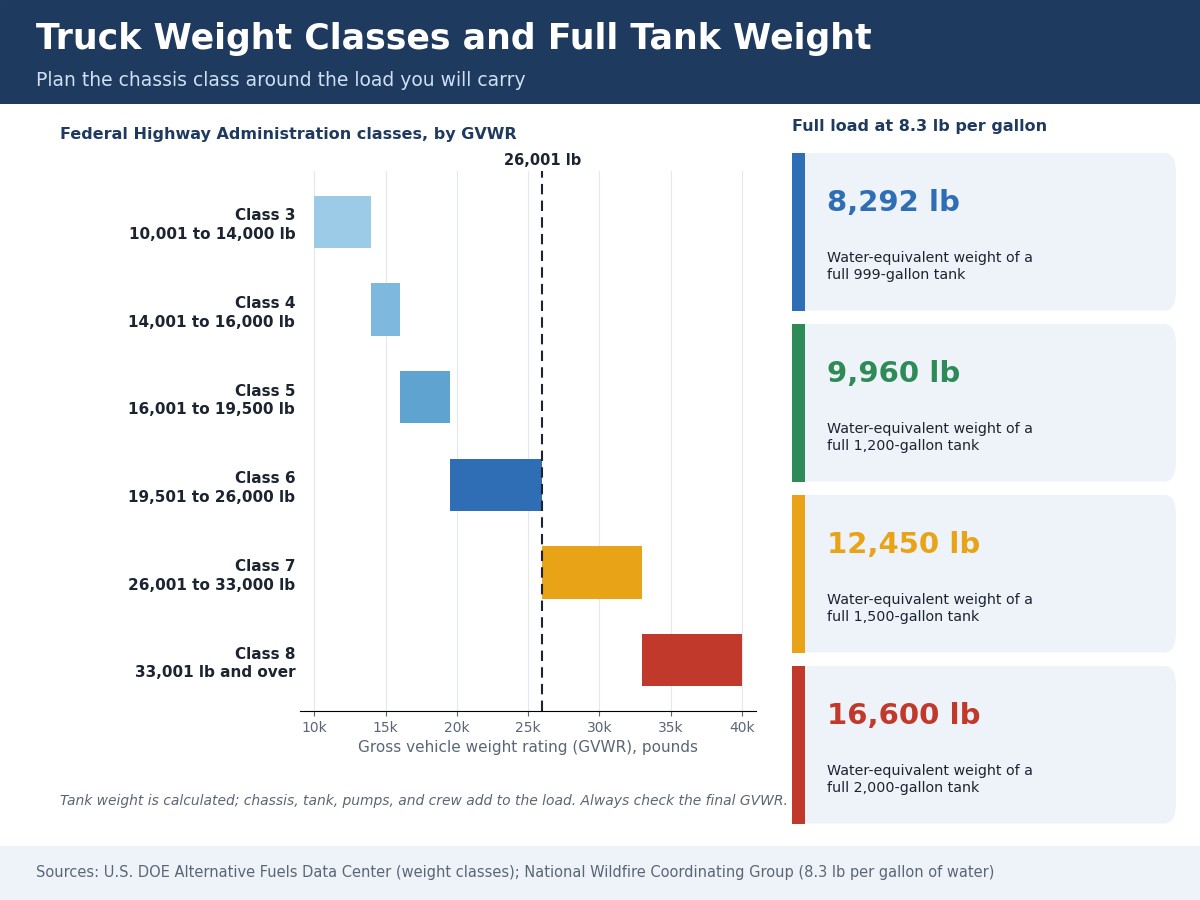
The chassis often accounts for the largest share of the bill, and the weight class is what drives it. The U.S. Department of Energy groups trucks into eight classes based on gross vehicle weight rating, and each step up generally means a heavier frame, a bigger engine, and a higher price. Class 6 tops out at 26,000 pounds, and Class 7 begins at 26,001 pounds, a threshold many operators plan around when they size a truck for their drivers.
The load itself matters. Water weighs about 8.3 pounds per gallon, so a full 1,200-gallon tank holds roughly 9,960 pounds of liquid, and a full 2,000-gallon tank holds about 16,600 pounds, before adding the chassis, tank, pumps, and crew. KeeVac builds on a wide range of chassis, including Ford, Dodge, Chevy, International, Kenworth, Isuzu, Peterbilt, Freightliner, Hino, and Mack. Customers can also supply their own chassis at no extra cost after the sales team reviews it, which is one of the most effective ways to reduce the total.
Upfits and Custom Options
Upfits are where two trucks with the same tank can end up with very different price tags. Common options include belly dump or rear dumping configurations, manways for easier cleaning, two large toolboxes, work lighting, a rear-mounted toilet carrier, and scent boxes that help reduce odor. Operators in cold climates add valve heaters, and 4×4 buyers can choose modified transfer cases for Dodge and Ford chassis to avoid hydraulic maintenance. If you want a layout that fits your crew exactly, custom truck configurations let you pay for the features that save time on every stop and skip the ones that do not.
Pricing a portable restroom truck?
Tell us your tank size, chassis preference, and route count, and we will quote a build around your operation, including builds on a chassis you already own.
The right choice depends on how fast you need to start earning and how much risk you can carry. The sticker price is only part of the comparison.
Factor
New truck
Used truck
Upfront cost
Higher
Lower, often by a wide margin
Warranty
Manufacturer warranty on the chassis and a one-year warranty on KeeVac vacuum and water pumps
Limited or none, depending on the seller
Configuration
Built to your tank, pump, and upfit choices
Whatever the previous owner chose
Downtime risk
Lower in the early years
Higher, with repairs more likely
Financing
Usually the most flexible terms
Terms can be shorter and more limited
Resale
A well-maintained truck holds value longer
Depreciates faster, driven by age, mileage, and service history
Lead times also differ. A used truck is ready sooner, but a new build gives you control over every option. If a project depends on a start date, ask about build timelines before you commit, and compare quotes on the same tank size, pump package, and chassis class so the numbers are truly comparable.
Financing and Tax Options That Lower the Cost of Ownership
Few operators pay for a truck in cash. Spreading the cost across the years the truck earns revenue keeps cash available for fuel, labor, and insurance, and KeeVac’s equipment financing options are a good place to begin the conversation. Two federal programs can improve the math further.
SBA Loans for Equipment Purchases
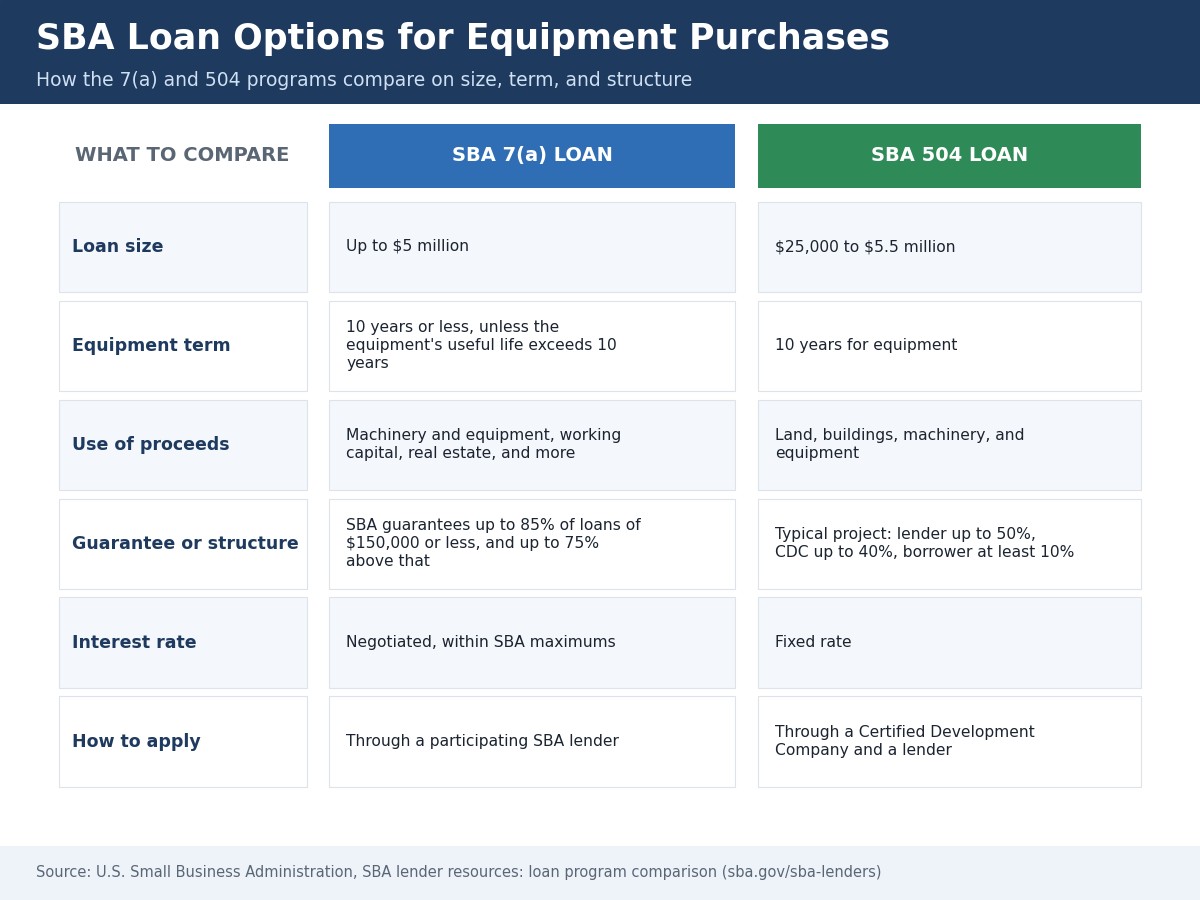
The U.S. Small Business Administration guarantees loans made by participating lenders. Its 7(a) program offers loans of up to $5 million and allows proceeds to be used for purchasing and installing machinery and equipment. Equipment terms are generally ten years or less, and SBA guarantees up to 85 percent of loans of $150,000 or less and up to 75 percent of larger loans. The 504 program runs from $25,000 to $5.5 million and carries a ten-year term for equipment. Borrowers apply through a lender rather than SBA, and the lender negotiates the interest rate within SBA maximums.
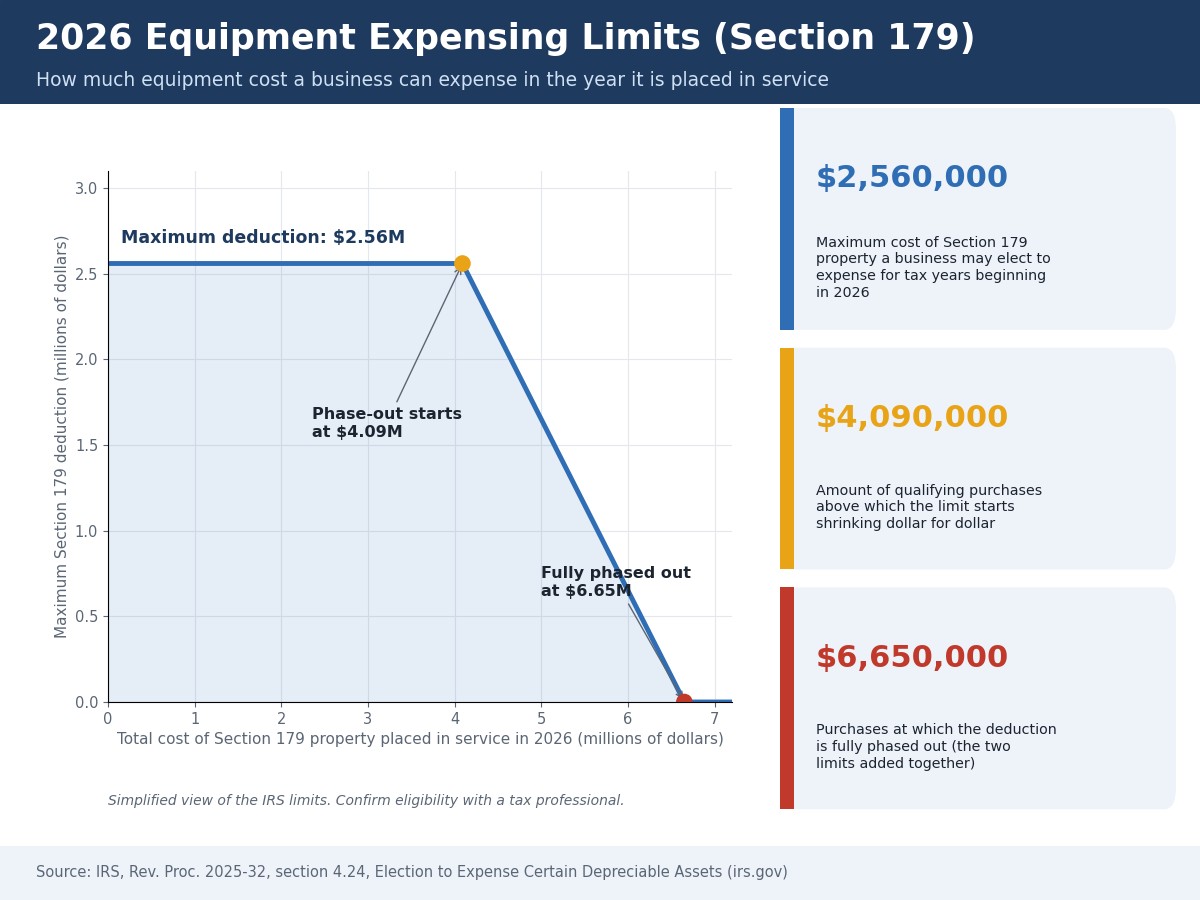
Section 179 of the tax code lets a business expense qualifying equipment in the year it is placed in service rather than depreciating it over time. Under IRS Revenue Procedure 2025-32, the limit for tax years beginning in 2026 is $2,560,000, and it starts to shrink once the cost of qualifying property placed in service passes $4,090,000. A single truck sits far below those thresholds, so the limit is rarely the constraint. Eligibility, elections, and bonus depreciation rules depend on your situation, so talk with a tax professional before you buy.
Total Cost of Ownership: What You Pay After the Purchase
The purchase price is one line in a longer budget. Operators who track the full cost of ownership over five to ten years make better buying decisions than those who compare quotes alone. Plan for these recurring costs:
Fuel: engine and pump hours both burn fuel, and a heavier chassis uses more of it
Insurance and registration: rates rise with truck value and weight class
Maintenance: oil, filters, pump service, hose and gasket replacement, and tank inspections
Labor: driver and technician time per stop and per day
Disposal: trips and fees at the receiving facility, which fall as tank capacity rises
Downtime: every day the truck is in the shop is a day of lost billable service
A strong preventive routine protects uptime, and KeeVac’s truck maintenance resources outline inspection habits you can adapt to your fleet.
Think of the truck as a revenue-producing asset. A larger tank and a stronger pump may cost more up front, but they can reduce daily trips, save fuel, and increase billable stops. In many cases the most expensive truck is the cheapest one once you compare revenue per day against ownership cost.
Choosing the Right Truck Size for Your Routes
The right size depends on stops per day, distance to the disposal site, and how much weight your chassis can legally carry. Dense urban routes with short drives to the dump often run well on a mid-size tank. Rural routes and event work usually favor larger tanks because every trip to the disposal site is longer.
Smaller operations and crews that need a flexible work truck often start with aluminum slide-in vacuum units, which fit a pickup bed and can be removed when the truck is needed for other work. Operators who deliver and pick up units as well as service them can also add pickup and delivery trucks for portable toilet units to the fleet so the service truck stays on its route.
Portable Restroom Truck Cost FAQs
How much does a portable restroom truck cost?
New portable restroom trucks commonly fall between about $65,000 and $150,000, and highly customized builds can cost more. The final price depends on tank size and material, the pump and water system, the chassis, and any upfits you add.
How much does a used portable restroom truck cost?
Used portable restroom trucks often start around $30,000 to $60,000. Condition, mileage, pump hours, and service history matter more than age, and used units usually come with limited warranty coverage.
What is the biggest part of the cost of a portable restroom truck?
The chassis is often the largest single line item, followed by the tank and the pump package. A heavier chassis class costs more but carries a larger load, so match it to the tank size and the weight you plan to haul.
Can I supply my own chassis for a portable restroom truck?
Yes. KeeVac builds on customer-supplied chassis at no extra cost, provided the sales team reviews the chassis first to confirm it meets the requirements for the upfit. This can lower the total cost if you already own a suitable truck.
What tank sizes are available for a portable restroom truck?
KeeVac’s portable restroom truck tank packages are available in 999, 1,200, 1,500, and 2,000 gallons. The tanks are aluminum, with stainless steel and carbon steel available for operators who prefer them.
What warranty comes with a portable restroom truck?
KeeVac portable restroom trucks include a one-year manufacturer’s warranty on the vacuum pump and the water pump. The chassis carries its own manufacturer warranty, so confirm both when you compare quotes.
Can I finance a portable restroom truck?
Yes. Equipment financing is common for trucks like these, and SBA 7(a) loans of up to $5 million can be used to purchase machinery and equipment. SBA works through participating lenders, so a lender will set the final rate and terms.
Is a portable restroom truck tax deductible?
Qualifying business equipment may be expensed under Section 179. For tax years beginning in 2026, the IRS limit is $2,560,000, and it begins to phase out once qualifying purchases exceed $4,090,000. Eligibility depends on your situation, so confirm the details with a tax professional.
Get a Quote for Your Portable Restroom Truck
The best way to understand your own numbers is to start with your routes, your tank size, and your budget. KeeVac’s full equipment lineup covers portable restroom, septic, grease, and custom builds, and every truck can be configured to fit the way you work.
If you want help comparing options, you can talk with a truck specialist and walk through chassis choices, tank sizes, and financing before you request a quote.
Ready to price your portable restroom truck?
Share your tank size, chassis preference, and timeline, and we will build a quote around your operation.
In the world of septic services, your truck is more than just a vehicle—it’s the heart of your operation. Whether you’re a one-person operation or managing a full fleet, the performance, durability, and safety of your septic pump truck are crucial to maintaining service quality and profitability. With advancements in technology and materials, there’s never been a better time to consider strategic septic pump truck upgrades that can improve your bottom line and reduce downtime.
Why Upgrading Your Septic Pump Truck Matters
The septic pumping industry places enormous strain on equipment. From the constant vibrations of long-haul routes to exposure to corrosive waste materials and the pressure of tight service schedules, septic pump trucks endure a heavy workload. Investing in the right upgrades is no longer a luxury—it’s a smart business move.
Prolong Equipment Lifespan
Routine maintenance is essential, but strategic upgrades can go even further by reducing wear and tear on critical components. Enhanced durability means fewer breakdowns, less emergency servicing, and more time on the job.
Improve Operational Efficiency
Speed, power, and reliability all translate into more jobs completed per day. When your truck runs smoothly and efficiently, your crew can operate with confidence and get more done with less fuel and hassle.
Enhance Safety and Compliance
DOT regulations and safety expectations are constantly evolving. Keeping your truck compliant with modern safety standards not only protects your drivers but also helps you avoid fines and liability.
Must-Have Upgrades for Enhanced Performance
The performance of a septic pump truck hinges on its mechanical strength and reliability. Below are some of the most valuable septic pump truck upgrades to boost day-to-day productivity and longevity.
Mechanical and Structural Enhancements
Heavy-Duty Pumps and Blowers
Replacing Rotary vane pumps with Tri-lobe blowers (NVE 4310) can significantly reduce pump-out times and minimize clogging issues. More powerful suction speeds up each job while decreasing idle time.
High-Quality Tank Materials
Aluminum or stainless steel tanks are a major step up in durability and corrosion resistance. Stainless steel, though heavier, resists harsh chemicals better than carbon steel and can last twice as long. If you’re hauling heavy-duty waste, tank upgrades are worth every penny.
Advanced Suspension Systems
Don’t overlook ride quality. Air-ride suspensions or upgraded leaf spring systems can reduce stress on the chassis and drivetrain. These systems also help protect sensitive equipment from road vibration, increasing reliability.
PTO and Hydraulic System Upgrades
Power Take-Off (PTO) and hydraulic systems are vital for efficient operation. Modern electric-over-hydraulic setups and soft start PTOs offer smoother operation and lower wear. These components often improve fuel efficiency and provide better control for the driver.
Upgraded Safety Features and Compliance
Safety should be the top priority of any vehicle upgrade strategy. New enhancements can reduce accidents, protect your team, and help you stay ahead of changing regulations.
Enhanced Lighting and Visibility
LED light bars, high-mount work lights, and backup cameras improve visibility in low-light conditions and tight service areas. They not only make your truck look sharp but also keep your team and customers safe.
Anti-Slip Surfaces and Guard Rails
It is risky to work on top of tanks or manage heavy hoses in slippery conditions. Installing grated aluminum walkways, non-slip coatings, and side railings minimizes fall risks and OSHA violations.
Emergency Shutoff Systems
Upgrading your truck with modern emergency shutoff valves and electrical kill switches can prevent spills, fires, or mechanical failures during servicing. These features are especially useful in high-volume or hazardous waste applications.
Fire Extinguishers and Spill Containment
Built-in fire extinguishers and integrated spill containment trays in tank beds not only meet most safety codes but also add peace of mind during emergency response.
DOT-Compliant Reflective Striping and Signage
Upgraded signage and reflective tape not only make your trucks more visible, but they also help ensure full compliance with Department of Transportation regulations across states.
Future-Proofing Your Fleet with Modern Technologies
Staying competitive means keeping up with technology that streamlines your workflow and gives you greater control over your operations.
Innovations in Monitoring and Diagnostics
Real-Time GPS and Telematics
Modern GPS tracking systems offer more than navigation—they track fuel usage, driver behavior, idle times, and service routes in real time. This data helps you optimize routes, lower fuel consumption, and manage driver productivity.
Tank Volume Sensors
Avoid overfilling and spillage with ultrasonic or pressure-based volume sensors. These sensors provide real-time feedback on tank capacity, allowing for safer, more precise pumping.
Digital Service Logs
Ditch the paper! Digital logbooks make it easy to track routine maintenance, inspections, and part replacements. Many systems integrate with fleet management apps to automate reminders and reporting.
Integration with Fleet Management Software
Full-scale fleet management platforms can help you manage a multi-truck operation with ease. These platforms typically integrate with GPS, maintenance logs, and invoicing systems, offering a unified hub for operations, billing, and dispatch.
Benefits Include:
Predictive maintenance alerts
Job scheduling and routing
Digital driver logs and timesheets
Instant customer invoicing
Fuel tracking and tax reporting
Choosing the Right Partner for Your Septic Pump Truck Upgrades
Upgrading your septic pump truck is a significant investment, but it doesn’t have to be a gamble. The key is partnering with an experienced, customer-focused builder who understands your industry, your needs, and your budget.
That’s where KeeVac Industries steps in.
Located in beautiful Denver, Colorado, KeeVac Industries is one of the nation’s most trusted vacuum truck upfitters. We specialize in septic pump truck builds tailored to your unique business needs, whether you’re upgrading a single truck or outfitting an entire fleet.
Why Choose KeeVac?
Custom Builds on New or Used Chassis: Whether it’s Ford, Chevrolet, Ram, International®, Peterbilt, Freightliner, Mack, Isuzu, or Kenworth—we work with fully licensed dealers to provide the right foundation for your upgrade.
Wide Variety of Septic Pump Trucks and Vacuum Tanks: From large-capacity septic haulers to compact slide-in units, we offer an extensive product line for all job sizes.
Slide-In Pumper Units Available: Perfect for contractors or businesses wanting a flexible, budget-friendly option, our aluminum slide-in pumper units are designed to fit most full-size pickup beds. Lightweight yet durable, these units provide serious pumping power without requiring a full truck replacement.
Superior Customer Support: At KeeVac, we don’t just build trucks—we build relationships. Our team is here to guide you every step of the way, from design and financing to post-sale support and maintenance advice.
Time to Level Up Your Septic Service Business
There’s no question—septic pump truck upgrades are essential if you want to stay competitive, efficient, and safe in today’s demanding field service environment. With the right mechanical enhancements, safety features, and technology, your truck can go from functional to exceptional.
Whether you’re looking to extend the lifespan of your current vehicle, improve job site performance, or prepare your fleet for future challenges, the experts at KeeVac Industries are ready to help.
Upgrade your septic pump truck today—and drive your business forward with confidence.
In the world of sanitation services, few assets are as essential—and as demanding—as the portable restroom vehicle. Whether you manage a fleet servicing large-scale events or handle local construction sites, your vehicles are the front line of service quality. Portable restroom maintenance is more than just pumping and dumping; it’s about ensuring hygiene, reliability, and vehicle longevity.
Well-maintained portable restroom vehicles don’t just perform better—they elevate your brand’s reputation. When you’re backed by high-performance equipment from a top-tier provider like KeeVac Industries, keeping your trucks in prime condition becomes a worthwhile investment in your long-term success.
Common Maintenance Challenges for Portable Restroom Vehicles
Portable restroom vehicles operate in tough conditions. From harsh weather and road debris to chemical exposure and heavy workloads, they take a beating. Common issues include:
1. Pump System Failures
The vacuum system is the heart of the vehicle. Over time, hose clogs, valve leaks, and pump wear can diminish performance. A faulty pump means service delays and customer complaints.
2. Tank Corrosion and Odors
Even aluminum tanks, known for their resistance, can suffer internal buildup and odor retention without proper cleaning. Overlooked tank maintenance can lead to expensive repairs or replacements.
3. Chassis Wear and Tear
Since these vehicles are often loaded to capacity and travel over rugged terrain, brakes, suspension, and steering components face constant stress.
4. Poor Cleaning Practices
Improper or irregular sanitization routines contribute to tank odors, bacterial growth, and health risks for both staff and customers.
DIY Maintenance Hacks for Everyday Issues
While professional servicing is essential, there are several DIY hacks you can integrate into your team’s weekly and monthly routine to save time and prevent expensive breakdowns.
Cleaning and Sanitization Best Practices
Maintaining cleanliness isn’t just about hygiene—it’s about extending your equipment’s life and ensuring a pleasant customer experience.
● Use Biodegradable Cleaners
Use commercial-grade biodegradable degreasers for both the inside of tanks and the exterior of the vehicle. Avoid acidic or highly alkaline products, which may damage aluminum.
● Flush and Rinse Weekly
At the end of each week, run a clean water flush through your tank and hoses. Follow with a deodorizing solution to control odors and bacteria.
● Disinfect Nozzles and Hoses
Bacteria thrive in moist environments. Regularly disassemble and sanitize nozzles, couplings, and hose ends with a bleach-based solution (1 part bleach to 9 parts water) to maintain hygiene standards.
● Wipe Down Cab and Interior Surfaces
Operators often overlook their workspace. Keeping the cab clean helps preserve electronic systems, dashboards, and air quality inside the vehicle.
Routine Inspection Checklists
Preventive maintenance is your first defense against major repairs. Use this checklist to catch issues early:
Daily Checklist:
Check oil, coolant, and hydraulic fluid levels
Inspect tires for damage and pressure
Ensure lights, turn signals, and horn are functional
Verify vacuum pressure and pump function before route start
Weekly Checklist:
Look for leaks around pump, valves, and tank seams
Check hose integrity and replace any with cracks or bulges
Inspect brakes and steering for signs of wear
Tighten any loose bolts on tank mounting brackets
Monthly Checklist:
Grease moving joints and PTO systems
Rotate tires and inspect wheel alignment
Test backup alarm, GPS, and vehicle tracking devices
Replace worn rubber gaskets in valves and lids
Using a checklist app or laminated logbook, you can consistently track inspections and catch trends before they become failures.
Troubleshooting Common Problems
Even with the best intentions, problems will arise. Here’s how to quickly address some frequent trouble spots:
● Low Suction Power
Possible Cause: Blocked or collapsed suction hose, or pump wear
Fix: Detach and flush hose with high-pressure water; if suction remains low, perform a Diesel flush on the vacuum pump.
● Inconsistent Vacuum Pressure
Cause: Air leak in tank seals or a damaged gasket
Fix: Run a soap test around lid seals and valve connections to spot bubbles. Replace damaged seals immediately.
Professional Maintenance: When to Call in the Experts
Some tasks are better left to trained technicians, especially when they involve hydraulic, engine, or electrical systems.
Signs You Need a Pro
Recurring pump issues despite troubleshooting
Persistent tank leaks
Smoke or odd noises from the engine
Dashboard warning lights or fault codes
How Often Should You Schedule Professional Service?
Depending on usage, aim for:
Quarterly full inspections for heavy-use fleets
Semi-annual service for moderate use
Annual overhauls, including full tank inspection, pump rebuild, and hose replacements
When you work with an expert team like KeeVac Industries, you’re not just buying a truck—you’re investing in a long-term relationship built on support, customization, and technical expertise.
Why Portable Restroom Maintenance Is a Game-Changer
Portable restroom vehicles don’t just deliver waste management—they deliver customer experience. Whether it’s a concert, a construction site, or a county fair, the end-user’s perception of cleanliness and reliability often starts with your equipment.
Clean, functional, and dependable service vehicles ensure:
Fewer service calls and breakdowns
Higher customer satisfaction and repeat business
Longer truck life and lower total cost of ownership
Better employee morale and retention
And with increasing environmental and public health scrutiny, proper maintenance helps you stay compliant with local and federal regulations, avoiding fines and liability issues.
Why Choose KeeVac Industries for Your Fleet?
Based in Denver, KeeVac Industries is a trusted name in vacuum truck manufacturing and upfitting. We specialize in building and outfitting portable restroom service trucks with precision-engineered tanks, high-capacity pumps, and modern features designed to meet the sanitation industry’s unique demands.
Our Offerings Include:
New and used chassis builds on leading brands like Ford, Chevrolet, Ram, International®, Peterbilt, Freightliner, Mack, Isuzu, and Kenworth
Septic pump trucks and vacuum tanks for sale, custom-fit to your workload and terrain
Slide-in aluminum pumper units for full-size pickup beds—perfect for operators needing mobility and versatility without compromising power
Every KeeVac truck is built with quality, durability, and customer satisfaction in mind. Our team of experts works directly with licensed dealers to ensure each vehicle exceeds expectations and is ready for the road the moment it leaves our shop.
Keep Your Vehicles Ready, Reliable, and Remarkable
The success of your sanitation business hinges on your commitment to portable restroom maintenance. With routine care, practical DIY techniques, and professional support when needed, your fleet will stay cleaner, safer, and more efficient year-round.
So, whether you’re new to the business or managing a fleet of ten or more, don’t wait for issues to arise—stay ahead of them. Your customers will notice, your employees will thank you, and your bottom line will benefit.
Ready to Upgrade or Service Your Fleet?
Contact us today to learn how we can help you build, outfit, or maintain your portable restroom service vehicles. From custom slide-in units to full vacuum trucks, we’ve got the equipment and expertise to keep your operation running at full throttle. Let’s build something that works as hard as you do!