How Does a Septic Tank Truck Work?
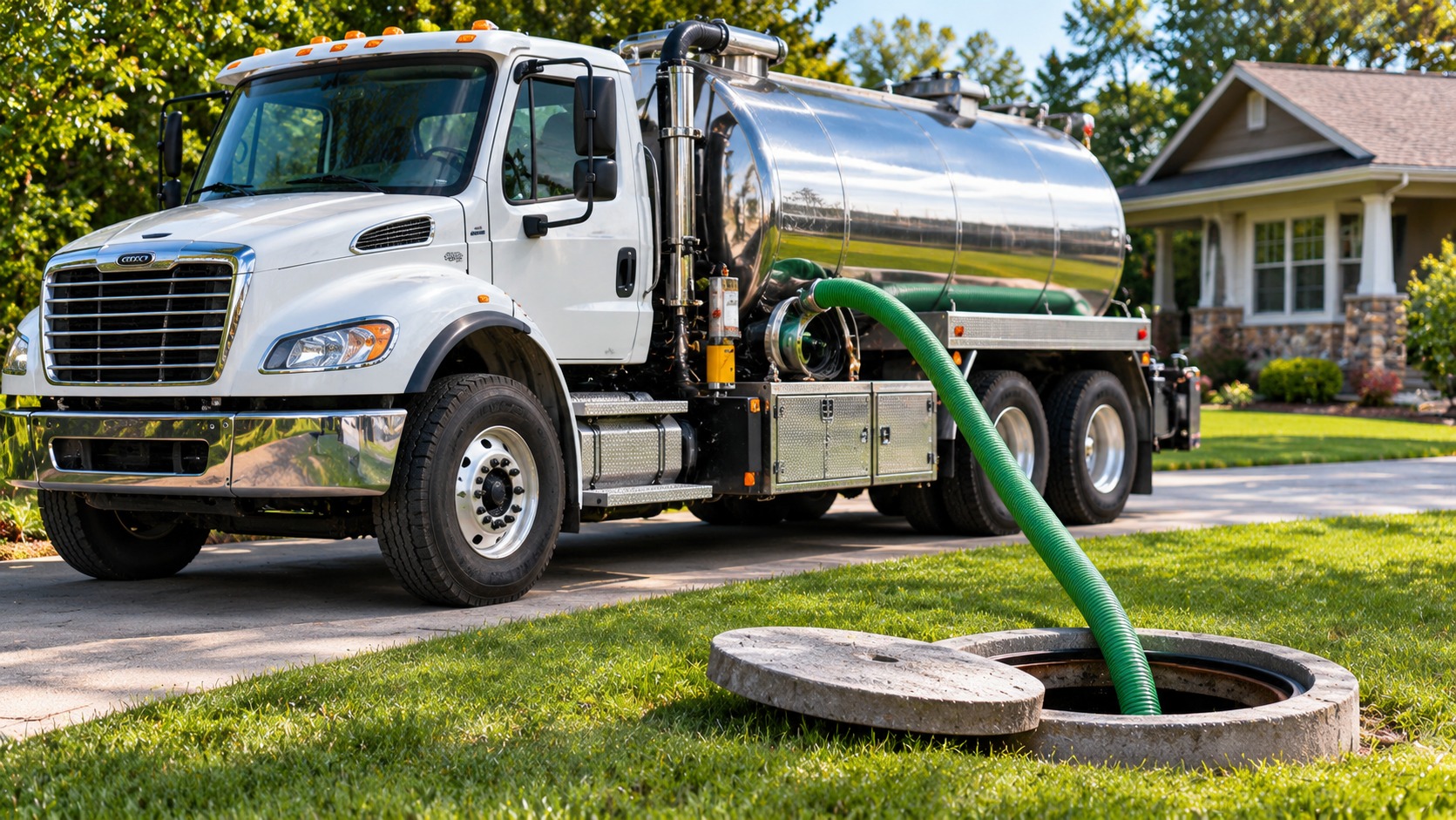
As urban life grows, one constant remains crucial in residential and commercial infrastructure: the efficient management of waste. Septic tank systems play a pivotal role in this domain, especially in areas where centralized sewage systems are impractical or unavailable. But once waste reaches a septic tank, it still needs proper removal and transport to treatment facilities. That’s the job of septic tank trucks, the vacuum trucks that pump, haul, and empty that waste safely.
Understanding the Basics: What Is a Septic Tank Pump Truck?
A septic truck is a vacuum pump and tank mounted on a truck chassis. It pulls waste out of septic tanks, holds it in a sealed tank, and hauls it to a disposal site. Operators use one to service homes, businesses, and any other property that is not connected to a sewer line.
You will also hear it called a septic tank truck, septic pump truck, septic pumper or pumper truck, septic tanker, or sewage truck; some people simply refer to septic trucks as a “poop truck.” Capacity runs from a few hundred gallons on slide-in units to several thousand gallons on full-size trucks.
Beyond septic tanks, the same equipment can extract waste from portable toilets, grease traps, and industrial sumps and transport it safely to treatment and disposal sites. The truck is equipped with a powerful vacuum pump, a sizable storage tank, and an array of hoses and accessories designed to handle even the toughest cleanup jobs. But how does this powerful machine work? Let’s take a closer look.
| Shopping for a Septic Truck?
KeeVac builds aluminum septic tank trucks in custom and stock configurations and delivers them nationwide. Compare tank sizes, pump packages, and chassis options in one place.
|
Key Components of a Septic Tank Pump Truck
The Vacuum Pump
The vacuum pump is at the heart of the septic tank pump truck. This component generates the suction force needed to lift and extract waste from the septic system. The vacuum pump creates a difference in pressure inside the tank, which pulls the waste through a series of hoses.
Storage Tank
Mounted on the chassis, the storage tank temporarily stores all the extracted waste until it can be transported to a designated disposal site. These tanks vary in size and material (such as steel, aluminum, or poly) based on the truck’s intended use and customer requirements. KeeVac Industries offers a range of tanks that balance capacity and durability, ensuring that operators can get the job done efficiently.
Hoses and Hose Reels
The hoses are pivotal accessories that connect the septic tank to the vacuum pump. Flexible and strong, they enter the septic tank through access points to siphon out the waste. Some advanced systems, like those offered by KeeVac Industries, come equipped with hose reels to facilitate easy storage and quick deployment.
Valves and Couplings
These control the flow of waste into the storage tank, which can be manually or electronically operated. Precision-engineered valves ensure the waste is securely contained, thereby preventing spillage and leaks. Proper couplings are essential for maintaining an airtight system, ensuring the vacuum pump operates efficiently.
Hydraulic Systems
Many septic tank trucks include a hydraulic system that powers various components, such as the hose reels or tank tilt mechanisms. This adds an element of automation and ease, reducing manual labor and increasing operational efficiency.
Chassis and Powertrain
The backbone of the septic tank pump truck is the chassis it is built upon. KeeVac Industries uses top-tier new and used chassis from renowned brands like Ford, Chevrolet, Ram, International®, Peterbilt, Freightliner, Mack, Isuzu, and Kenworth. A durable chassis ensures the truck can withstand heavy loads and tough working conditions, while the powertrain ensures reliable performance.
What Is a Pumper Truck?
“Pumper truck” and “septic pumper” are the industry’s shorthand for a septic truck. If a dealer, an operator, or a job posting mentions a septic pumper truck, it means the same machine described above: a vacuum pump, a tank, and the hoses and valves that connect them.
One distinction matters when you shop: every septic pumper is a vacuum truck, but not every vacuum truck is set up for septic work. Industrial vacuum trucks and hydro excavation trucks run different pumps, tanks, and filtration. A septic pumping truck is built around liquid waste and sludge, quick hookups, and fast offloading.
How the Septic Tank Pump Truck Operates
Initial Setup
First, the septic service operator positions the truck as close to the septic tank or waste source as possible. This positioning is crucial for easy access and to minimize the length of the hoses needed. The operator then locates the tank and uncovers the access lid; on older properties, finding a buried lid can take longer than the pumping itself.
Connecting the Hoses
Before any hose goes in, the operator checks the tank for cracks, leaks, or damaged baffles and notes anything the customer should know about. Next, the hoses are connected to the truck’s intake valve and fed into the septic tank or the waste source. Ensuring the connections are secure and airtight is critical for efficient operation and for keeping waste contained.
Vacuum Pump Activation
Once everything is set, the vacuum pump is activated. This generates a high negative pressure inside the storage tank, creating a vacuum that pulls the waste through the hoses and into the storage tank. The pump is often controlled from within the truck cabin or via a remote control, offering flexibility and safety for the operator.
Waste Extraction
The waste is then sucked out of the septic tank and into the truck’s storage tank gradually. Visibility and indicators often help the operator monitor the process, ensuring that the tank isn’t overfilled and that all waste is extracted efficiently. Once the liquid is out, the operator rinses or backflushes the tank to break up the sludge left on the bottom, then pumps that out as well.
Transportation and Disposal
Once the waste is securely stored, the truck heads to a designated disposal facility. Where do septic trucks dump their waste? The load is discharged at a permitted wastewater treatment plant or a septage receiving facility; where and how that happens is set by state and local rules. Before leaving the job, the operator logs the gallons pumped and the condition of the tank for the customer’s service record.
What Jobs Does a Septic Truck Do?
What is a septic truck used for? More than one kind of paying work. The same septic service truck can cover several revenue streams, and each one shapes the build.
- Routine septic pumping: The core of most routes. Septic systems are commonly pumped every 3 to 5 years, and a tank that goes too long risks backups and drain field damage; that is why pumping is recurring, schedulable work.
- Septic tank cleaning: A pressure washer or jetter-ready setup turns a pump truck into a septic tank cleaning truck that can wash down walls and clear stubborn solids.
- Grease trap pumping: Restaurants and commercial kitchens need regular service. If grease will be a large share of your work, compare dedicated grease trap trucks.
- Portable toilet servicing: Event and construction site routes call for different tank layouts; see our portable restroom trucks.
- Industrial and municipal sludge: Lift stations, sumps, and treatment plant work usually mean larger tanks and a heavier chassis.
The jobs you plan to run decide tank size, pump CFM, and chassis.
How Many Gallons Does a Septic Truck Hold?
It depends on the truck. A slide-in pumper unit for a small operator holds a few hundred gallons; a full-size septic tanker holds thousands. KeeVac builds septic tank trucks from 1,000 to 6,000 gallons.
A larger tank lets you pump more stops before you drive to the disposal site, which matters most on long rural routes. A smaller septic tank vehicle costs less to run and fits into tight driveways and job sites. Most operators size the tank to the number of tanks they expect to pump in a day and the distance to their nearest receiving facility.
Tank size and chassis choice also set the truck’s GVWR, and GVWR affects who can legally drive it. Review the CDL requirements for septic truck drivers before you finalize a spec.
Special Features and Innovations
Slide-In Pumper Units
One of KeeVac Industries’ standout offerings is our line of aluminum slide-in pumper units. These units are incredibly versatile, fitting into the full-size bed of almost any pickup truck. Slide-in pumper units are designed for commercial or residential use and provide an effective solution for operators who require flexibility and mobility on different job sites.
Customizable Options
From choosing the right chassis to upgrading pump sizes and tank capacities, KeeVac Industries provides an array of customizable options. Every business has unique needs, and a one-size-fits-all approach rarely works well. Therefore, a tailored septic tank pump truck ensures you have the right equipment for your specific demands. You can compare the tank capacities, pump packages, and chassis we build on for our septic pump trucks.
Advanced Safety Features
Modern trucks are equipped with various safety features, including spill containment, emergency shut-offs, and monitoring systems. KeeVac Industries places significant emphasis on the safety and reliability of its trucks, ensuring they are equipped with state-of-the-art features to protect both the operators and the environment.
Importance of Regular Maintenance
Regular maintenance is crucial to ensuring the longevity and efficiency of a septic tank pump truck. Periodic inspections and timely servicing of the vacuum pump, hoses, valves, and other components can prevent breakdowns and costly repairs. KeeVac Industries builds high-quality trucks and backs them with parts and support to keep your fleet running smoothly.
Septic Truck FAQs
What is a septic truck?
A septic truck is a vacuum truck built to empty septic tanks. A pump draws waste through a hose into a sealed tank; the truck then carries the load to a disposal facility. It is also known as a septic pumper or pumper truck.
How does a septic truck work?
A septic truck works by vacuum. The pump removes air from the truck’s tank, creating negative pressure that pulls waste through the suction hose and into the tank. The operator then hauls the load away and discharges it at a receiving facility.
Where do septic trucks dump their waste?
Septic trucks dump their waste at permitted wastewater treatment plants or septage receiving facilities. State and local rules decide where and how each load can be discharged, so operators should confirm the approved sites in the areas they serve.
What is a pumper truck?
A pumper truck is the septic industry’s shorthand for a septic truck: a vacuum truck set up to pump and haul septage. Every septic pumper is a vacuum truck, but industrial and hydro excavation vacuum trucks are built differently.
How many gallons does a septic truck hold?
It depends on the build. Slide-in pumper units hold a few hundred gallons, while KeeVac builds full-size septic tank trucks from 1,000 to 6,000 gallons. The right size depends on your route volume and the distance to your disposal site.
Do you need a CDL to drive a septic truck?
In the US, a CDL is generally required to drive a septic truck with a GVWR of 26,001 pounds or more. State rules vary, so check with your state licensing agency. Read more about CDL requirements for septic truck drivers.
Why Choose KeeVac Industries?
Expertise and Experience
KeeVac Industries brings years of experience to the table, making us a trusted provider in the vacuum truck industry. Our team’s expertise ensures that every truck we build is of the highest quality and capable of meeting demanding operational requirements.
Quality and Durability
Using quality materials and components, KeeVac Industries ensures our trucks and pumper units offer durability and reliability. Whether you are dealing with industrial or residential waste, you can count on a KeeVac truck to perform efficiently.
Customer-Centric Approach
KeeVac Industries prides itself on its customer service. We work closely with clients to understand their specific needs and deliver a truck or pumper unit that perfectly fits those needs. Support doesn’t just end at the point of sale; KeeVac Industries provides continuous support and maintenance services to ensure long-term satisfaction.
Find the Right Septic Truck for Your Business
Effective waste management starts with reliable equipment. Whether you’re adding your first truck or standardizing a growing fleet, the right tank size, pump, and chassis make the difference. For an example of a current build, see the 2,500-gallon Freightliner M2 grease/septic service truck, an aluminum-tank unit that is in production now. Tell us about your routes, and we’ll spec a truck around them.
Prefer to talk it through first? Contact our team! |