How Do You Train to Become a Vacuum Truck Operator?
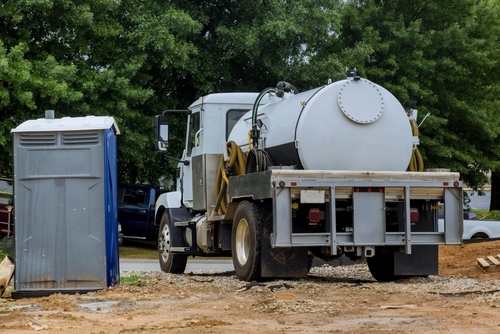
Becoming a professional vacuum truck operator is a rewarding career path for individuals who enjoy hands-on work, problem-solving, and operating specialized heavy equipment. Vacuum truck operators play a critical role in industries such as septic services, industrial cleaning, oil and gas, municipal maintenance, and environmental services. Because these trucks handle liquid and solid waste, hazardous materials, and high-powered suction systems, proper training is essential. Understanding vacuum truck operator training requirements is the first step toward building a safe, compliant, and successful career in this field.
Understanding Vacuum Truck Operator Training Requirements
Vacuum truck operator training requirements vary by state, employer, and the type of materials being transported, but several foundational standards apply across the board. At its core, training focuses on safety, regulatory compliance, equipment operation, and environmental responsibility. Operators must understand how vacuum systems work, how to safely transport and dispose of waste, and how to protect themselves, the public, and the environment.
Most employers look for candidates who have a combination of formal licensing, safety certifications, and practical experience. Training typically includes classroom instruction, supervised driving, hands-on equipment operation, and ongoing safety refreshers. Operators must also stay up to date on local, state, and federal regulations that govern waste transport and disposal.
Common elements of vacuum truck operator training include:
- Commercial driving instruction and testing
- Safety and hazard recognition training
- Equipment operation and maintenance basics
- Environmental compliance and waste handling procedures
- Emergency response and spill containment protocols
Because vacuum trucks are specialized vehicles, operators often receive additional training beyond standard commercial driving. This ensures they can safely operate pumps, hoses, tanks, valves, and pressure systems while working in a wide range of environments.
CDL and OSHA Requirements for Vacuum Truck Operators
One of the most important steps in meeting vacuum truck operator training requirements is obtaining the proper commercial driver’s license. Most vacuum trucks exceed weight thresholds that require a CDL, typically a Class B or Class A license, depending on the truck configuration and whether trailers are involved. Drivers may also need specific endorsements if transporting hazardous materials.
OSHA requirements are equally important. Vacuum truck operators are often exposed to confined spaces, hazardous substances, and high-pressure equipment. OSHA training helps operators recognize risks and follow standardized safety procedures. Many employers require OSHA 10 or OSHA 30 certifications, particularly for industrial or construction-related work.
Key regulatory requirements often include:
- CDL Class B or Class A licensing
- Medical certification and DOT physicals
- OSHA safety training certification
- Hazard communication training
- Confined space awareness training
Meeting these requirements not only improves job prospects but also builds a strong safety foundation that protects operators and their crews on every job.
Steps to Get Certified as a Vacuum Truck Operator
While there is no single national certification that defines a vacuum truck operator, becoming qualified involves completing a series of recognized steps that employers trust. These steps help ensure operators are prepared for both the technical and regulatory aspects of the job.
The first step is earning a high school diploma or GED. While not always mandatory, it is often preferred and can make CDL training easier. Next comes commercial driver training through an accredited driving school or employer-sponsored program. These programs prepare candidates for the written and road tests required to earn a CDL.
After obtaining a CDL, operators typically complete safety certifications and employer-specific training programs. Many companies provide structured onboarding that covers their equipment, procedures, and service standards.
A typical certification pathway includes:
- Completing CDL training and passing exams
- Obtaining OSHA safety certification
- Completing hazard and environmental training
- Passing employer-administered equipment tests
- Participating in supervised field training
Some operators also pursue additional certifications related to wastewater handling, septic systems, or industrial cleaning to expand their skill set and earning potential.
On-the-Job Training and Hands-On Experience
Hands-on experience is where classroom knowledge becomes a practical skill. On-the-job training is a cornerstone of vacuum truck operator training requirements and is often the most valuable part of the learning process. New operators typically work alongside experienced professionals who guide them through daily tasks, safety checks, and real-world problem-solving.
During this phase, trainees learn how to:
- Perform pre-trip and post-trip inspections
- Set up and operate vacuum pumps safely
- Manage hoses, fittings, and valves
- Load and unload waste materials properly
- Navigate job sites and tight spaces
- Communicate with customers and team members
On-the-job training also helps operators develop confidence. Handling equipment under supervision allows new drivers to build muscle memory and situational awareness. Over time, they learn how different materials behave, how weather and terrain affect operations, and how to respond to unexpected challenges.
Many employers require a probationary period where operators must demonstrate safe driving, proper equipment use, and adherence to company policies before working independently.
Essential Skills Every Operator Should Learn
Beyond licenses and certifications, successful vacuum truck operators develop a broad set of technical and soft skills. These skills improve safety, efficiency, and customer satisfaction, all of which are critical in service-based industries.
Mechanical awareness is one of the most important skills. Operators should understand how their truck and vacuum system function so they can identify issues early and perform basic troubleshooting. This does not mean becoming a mechanic, but knowing warning signs can prevent breakdowns and costly downtime.
Other essential skills include:
- Attention to detail when following safety procedures
- Physical stamina for handling hoses and equipment
- Problem-solving in dynamic job site conditions
- Time management and route planning
- Clear communication with customers and supervisors
- Professionalism when representing the company on-site
Operators also benefit from strong situational awareness. Job sites can include traffic, confined spaces, uneven terrain, and hazardous materials. The ability to assess risks and adapt quickly is critical to maintaining safety and efficiency.
Advanced Courses to Improve Operator Performance
As operators gain experience, many choose to pursue advanced training to improve performance and open new career opportunities. Advanced courses can focus on specialized equipment, high-risk environments, or leadership development.
Examples of advanced training options include:
- Confined space entry certification
- Hazardous waste handling and transport
- Advanced pump and vacuum system operation
- Environmental compliance and documentation
- Supervisor or lead operator training
These courses help operators take on more complex jobs and may lead to higher pay or management roles. Employers value operators who invest in continuous learning because it reduces risk and improves service quality.
Advanced training also keeps operators up to date on evolving regulations and technology. Vacuum truck equipment continues to advance, with improved safety features, more efficient pumps, and specialized tank designs. Operators who understand these systems can work more efficiently and safely.
Building a Long-Term Career as a Vacuum Truck Operator
Training does not stop once an operator is fully qualified. The best professionals treat training as an ongoing process. Regular safety meetings, refresher courses, and equipment updates are all part of maintaining high standards.
Operators who build long-term careers often take pride in their equipment, stay current on regulations, and develop strong relationships with customers. These qualities lead to repeat business, positive reputations, and advancement opportunities.
A commitment to safety and professionalism also reduces wear and tear on equipment and minimizes accidents. This benefits both operators and employers by lowering costs and improving job satisfaction.
Why Quality Equipment Matters for Training and Performance
Training is most effective when paired with reliable, well-designed equipment. Vacuum trucks that are properly upfitted, easy to operate, and matched to the job make it easier for operators to learn and perform at a high level. Poorly designed or worn-out equipment can create unnecessary risks and slow down training progress.
Working with a trusted vacuum truck upfitter ensures operators have access to trucks that meet regulatory standards and are built for real-world demands. From pump placement to tank capacity and hose management, thoughtful design supports safer and more efficient operation.
Partner With KeeVac Industries for Your Vacuum Truck Needs
Whether you are training new operators or expanding your fleet, having the right equipment makes all the difference. KeeVac Industries is a Denver-based vacuum truck upfitter dedicated to helping businesses succeed with dependable, purpose-built solutions. We use new and used chassis from trusted manufacturers, including Ford, Chevrolet, Ram, International®, Peterbilt, Freightliner, Mack, Isuzu, and Kenworth, all supplied by licensed dealers for every build. We offer a wide range of septic pump trucks and vacuum tanks for sale to fit your specific needs, from municipal work to private service operations. KeeVac Industries also specializes in slide-in pumper units. Our aluminum slide-in pumper units are designed to fit into the full-size bed of almost any pickup truck, giving operators flexibility without sacrificing performance. If you are ready to support your team with equipment that enhances training, safety, and productivity, contact us today and let our experienced team help you build the right vacuum truck for the job.