What Should Be on a Septic Truck Preventive Maintenance Checklist?
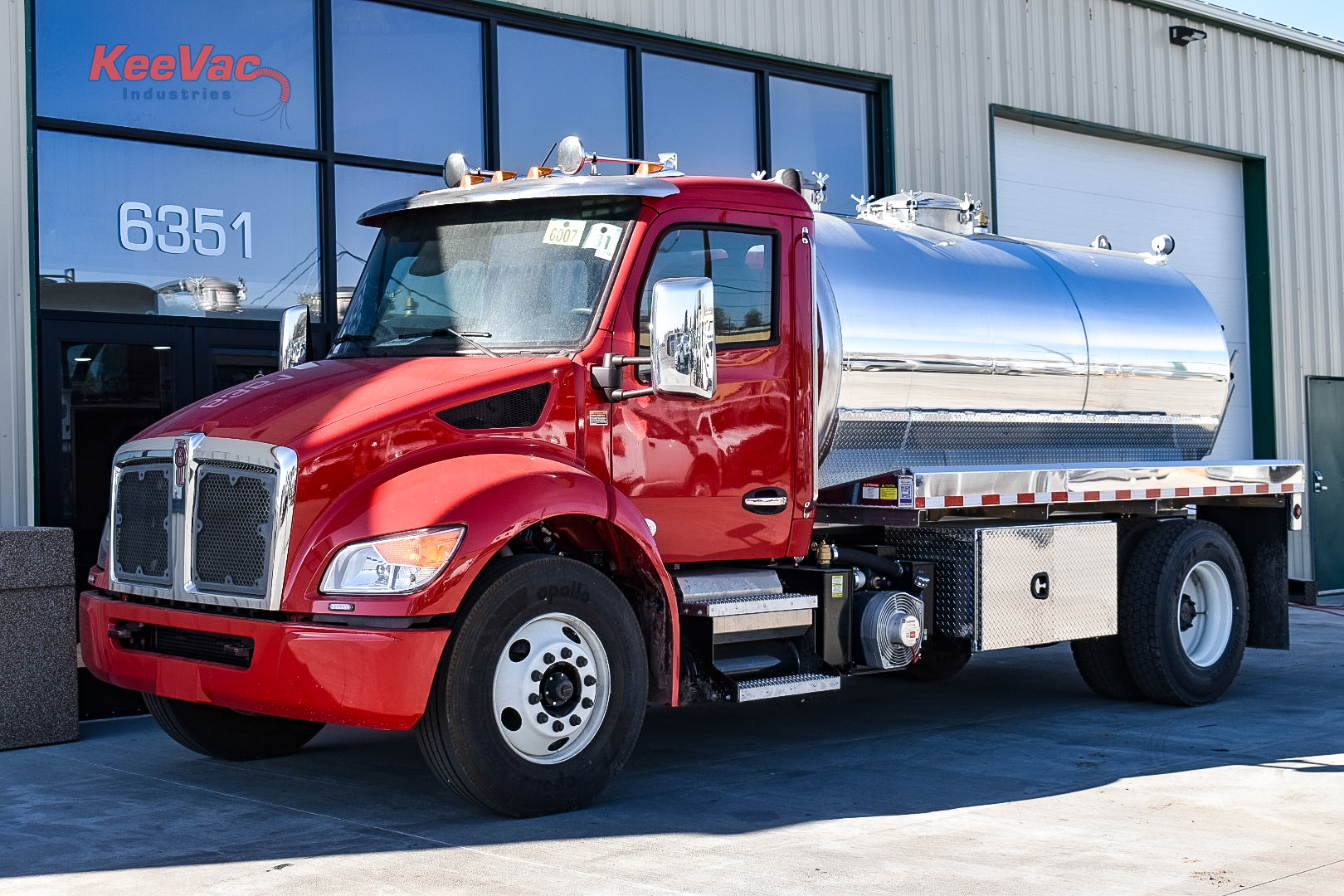
A reliable septic truck is the backbone of any pumping or vacuum service operation. When trucks are down, schedules fall apart, revenue is lost, and customer trust takes a hit. That is why having a thorough septic truck preventive maintenance checklist is not just a good idea, it is essential to keeping your business running efficiently and profitably. Preventive maintenance helps reduce unexpected breakdowns, improves performance on the job, and extends the overall lifespan of your truck, pump, and tank system.
Septic Truck Preventive Maintenance Checklist Overview
A septic truck is a complex piece of equipment made up of many interconnected systems. The engine, transmission, vacuum pump, PTO, tank, hoses, valves, and safety components all work together every day under demanding conditions. Preventive maintenance focuses on inspecting, servicing, and replacing parts before they fail.
A comprehensive checklist should cover daily, weekly, monthly, and annual tasks. These inspections help operators catch small issues early, such as worn hoses or low fluid levels, before they turn into major repairs.
Key areas to include in a septic truck preventive maintenance checklist are:
- Engine and drivetrain systems
- Vacuum pump and PTO operation
- Hoses, valves, seals, and fittings
- Tank condition and mounting hardware
- Hydraulic and electrical systems
- Safety equipment and compliance items
- Documentation and maintenance records
When these components are regularly inspected and maintained, trucks run more efficiently, jobs are completed faster, and operators can focus on service instead of repairs.
Why Regular Maintenance Prevents Costly Repairs
Skipping or delaying maintenance is one of the most expensive decisions a septic business can make. While preventive maintenance requires time and planning, it is far less costly than emergency repairs, towing, or replacing major components prematurely.
Regular maintenance prevents costly repairs in several important ways.
First, it reduces unexpected breakdowns. Many septic truck failures start as minor issues. A small vacuum leak, a loose belt, or a clogged filter can go unnoticed until it causes pump failure or engine damage. Routine inspections help identify these warning signs early.
Second, it extends equipment life. Septic trucks operate in harsh environments, handling corrosive waste, moisture, and heavy loads. Clean fluids, properly lubricated parts, and well-maintained seals significantly extend the life of pumps, tanks, and engines.
Third, it improves fuel efficiency and performance. Engines and pumps that are properly serviced operate more efficiently. Clean filters, correct fluid levels, and properly adjusted components reduce strain on the system and lower fuel consumption.
Fourth, it supports safety and compliance. Well-maintained trucks are safer to operate and less likely to cause accidents, spills, or environmental violations. Routine inspections help ensure that brakes, lights, and safety systems are functioning correctly.
Finally, preventive maintenance protects your reputation. Reliable trucks mean fewer missed appointments and happier customers. Consistency and professionalism are easier to deliver when your equipment is dependable.
How to Create a Custom Maintenance Schedule
No two septic operations are exactly the same. The right maintenance schedule depends on how often your trucks are used, the type of waste handled, local regulations, and the specific equipment installed on each truck. Creating a custom schedule ensures that maintenance tasks are performed at the right intervals without over-servicing or neglecting critical components.
Start by reviewing manufacturer recommendations for your chassis, engine, vacuum pump, and tank system. These guidelines provide a baseline for oil changes, filter replacements, and major service intervals.
Next, consider how your trucks are used. High-mileage trucks or units operating daily will need more frequent inspections than backup or seasonal vehicles. Trucks used in colder climates may also require additional checks for freeze protection and corrosion.
A typical custom maintenance schedule may include:
- Daily pre-trip inspections by the operator
- Weekly visual inspections of hoses, belts, and fittings
- Monthly checks of fluids, filters, and pump performance
- Quarterly or semiannual servicing of pumps, PTOs, and hydraulics
- Annual comprehensive inspections and system testing
Assign responsibility for each task and make sure operators and technicians understand what to look for and how to report issues. Consistency is key to making preventive maintenance effective.
Checking Hoses, Valves, and Seals
Hoses, valves, and seals are among the most frequently used and abused components on a septic truck. They are also some of the most common sources of leaks, loss of suction, and downtime if not properly maintained.
During routine inspections, hoses should be checked for cracks, soft spots, bulges, and signs of wear. Pay close attention to connection points where hoses meet fittings or valves, as these areas experience the most stress.
Valves should be operated regularly to ensure smooth movement and proper sealing. Sticking or leaking valves can slow down jobs and create safety hazards. Seals and gaskets should be inspected for swelling, brittleness, or chemical damage.
Best practices for maintaining hoses, valves, and seals include:
- Cleaning hoses after each use to remove corrosive materials
- Replacing worn or damaged hoses immediately
- Lubricating valve components as recommended
- Keeping spare hoses, seals, and gaskets on hand
- Using materials compatible with the waste being handled
Proactive replacement of these components is far more cost-effective than dealing with emergency failures on the job site.
Oil Changes and Pump Inspections
Oil changes and pump inspections are critical to the long-term health of both the engine and the vacuum system. Dirty or degraded oil increases friction, heat, and wear, leading to premature failure.
Engine oil should be changed according to the manufacturer’s schedule or more frequently for trucks operating under heavy loads or extreme conditions. Always check oil levels daily and watch for signs of contamination, such as milky coloration or metal particles.
Vacuum pump oil is just as important. Pumps rely on clean oil for lubrication, sealing, and cooling. Low oil levels or contaminated oil can cause overheating, reduced vacuum performance, and internal damage.
Regular pump inspections should include:
- Checking oil level and condition
- Inspecting belts, couplings, and mounting hardware
- Listening for unusual noises or vibrations
- Monitoring vacuum pressure and performance
- Ensuring proper PTO engagement and disengagement
Addressing pump issues early helps avoid costly rebuilds or replacements and keeps trucks operating at peak efficiency.
Recording Maintenance Logs for Compliance
Maintenance logs are often overlooked, but they play a vital role in preventive maintenance programs. Accurate records help track service intervals, identify recurring issues, and demonstrate compliance with regulatory requirements.
For septic operations, maintenance logs can also support safety audits, warranty claims, and resale value. A well-documented maintenance history shows that equipment has been properly cared for and reduces uncertainty for future owners.
Effective maintenance logs should include:
- Date and mileage or hours of service
- Description of inspections or repairs performed
- Parts replaced and fluids added
- Name of technician or operator
- Notes on observed issues or recommendations
Digital maintenance tracking systems can simplify record-keeping and provide reminders for upcoming service. However, even a well-organized paper log is better than no documentation at all.
Additional Preventive Maintenance Best Practices
Beyond the core checklist items, there are several additional practices that contribute to overall truck reliability and efficiency.
Regular washing and cleaning of the truck and tank helps prevent corrosion and makes it easier to spot leaks or damage. Keeping the exterior and undercarriage clean is especially important in regions where road salt is used.
Electrical systems should be inspected for loose connections, damaged wiring, and proper operation of lights and controls. Electrical issues can cause unexpected shutdowns and safety concerns.
Safety equipment such as emergency shutoffs, pressure relief valves, and backup alarms should be tested regularly. Ensuring these systems work properly protects operators and the public.
Operator training is another critical component of preventive maintenance. Drivers who understand how the truck should sound, feel, and perform are more likely to notice issues early and report them promptly.
Partner with KeeVac Industries for Reliable Septic Truck Solutions
A strong preventive maintenance plan starts with quality equipment built to last. KeeVac Industries is a trusted Denver-based vacuum truck upfitter serving septic and environmental service professionals across the country. We specialize in building reliable, high-performance septic pump trucks and vacuum systems designed for demanding workloads.
KeeVac Industries uses new and used chassis from licensed dealers, including Ford, Chevrolet, Ram, International®, Peterbilt, Freightliner, Mack, Isuzu, and Kenworth. This flexibility allows us to match the right chassis to your operational needs and budget. We offer a wide variety of septic pump trucks and vacuum tanks for sale, ensuring you get equipment that fits your specific applications.
We also specialize in slide-in pumper units. Our aluminum slide-in pumper units are engineered to fit into the full-size bed of almost any pickup truck, providing a compact and cost-effective solution without sacrificing performance or durability.
Whether you are expanding your fleet, upgrading equipment, or looking for expert guidance on preventive maintenance and truck configuration, KeeVac Industries is here to help. Contact our experienced team today to learn more about our septic truck solutions and how we can support your business for the long haul.