How Do Vacuum Trucks Meet Emissions Compliance Standards?
Vacuum truck emissions compliance is no longer just a regulatory checkbox. It is a core part of operating a modern, efficient, and responsible fleet. As environmental standards tighten across the United States, vacuum truck manufacturers and operators must adapt to meet emissions requirements while still delivering the performance demanded by septic, industrial, municipal, and environmental service applications. From advanced engine technologies to strict recordkeeping practices, compliance is achieved through a combination of smart equipment choices, proper maintenance, and a deep understanding of federal and local regulations. This guide breaks down how vacuum trucks meet emissions compliance standards and what operators can do to stay ahead of enforcement trends while maximizing uptime and customer trust.
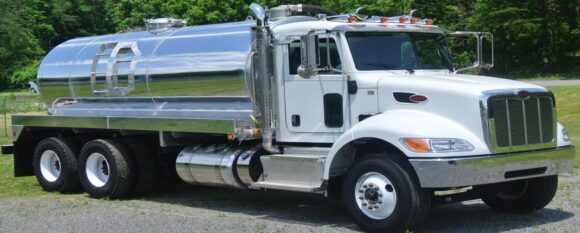
Understanding Vacuum Truck Emissions Compliance Requirements
Emissions compliance for vacuum trucks is governed by a combination of federal regulations and state or local environmental rules. At the federal level, the Environmental Protection Agency sets emissions standards for heavy-duty and medium-duty engines under the Clean Air Act. These standards limit pollutants such as nitrogen oxides, particulate matter, hydrocarbons, and carbon monoxide. Modern vacuum trucks typically use EPA-compliant diesel engines that meet current emissions tiers through advanced exhaust aftertreatment systems and electronic engine controls. Compliance does not end at the point of manufacture. Operators are responsible for ensuring that trucks continue to meet standards throughout their service life. This includes maintaining emissions systems, using compliant fuels and fluids, and avoiding unauthorized engine modifications. States like California and Colorado may impose additional requirements related to idling, opacity testing, or reporting. Municipalities can also set rules for operating in certain zones or during specific hours. Understanding these layered requirements is essential for any vacuum truck owner or fleet manager. Failure to comply can result in fines, vehicle downtime, or even forced retirement of equipment. By working with knowledgeable upfitters and dealers, operators can select compliant chassis and vacuum systems that are properly matched to their intended use and regulatory environment.
Key Technologies That Reduce Emissions
Modern vacuum trucks rely on a suite of technologies designed to significantly reduce harmful exhaust emissions without sacrificing power or reliability. These systems work together to clean exhaust gases before they exit the tailpipe and to optimize combustion within the engine itself. Common emissions reducing technologies include diesel oxidation catalysts, diesel particulate filters, selective catalytic reduction systems, exhaust gas recirculation, and advanced engine control modules. Each component plays a specific role in reducing pollutants and improving overall efficiency. For example, particulate filters trap soot and ash, while catalytic systems convert harmful gases into less harmful compounds. Engine controls continuously monitor operating conditions and adjust fuel delivery and timing to minimize emissions. These technologies are now standard on most new vacuum truck chassis from manufacturers such as Ford, Chevrolet, Ram, International, Peterbilt, Freightliner, Mack, Isuzu, and Kenworth. When paired with properly designed vacuum tanks and pump systems, they allow trucks to perform demanding jobs while remaining compliant. Operators who understand how these systems work are better equipped to maintain them and avoid unnecessary downtime or compliance issues.
How DEF Systems Improve Engine Efficiency
Diesel Exhaust Fluid systems are a cornerstone of modern vacuum truck emissions compliance. DEF is a non-toxic solution injected into the exhaust stream of diesel engines equipped with selective catalytic reduction technology. When DEF is introduced into hot exhaust gases, it breaks down nitrogen oxides into harmless nitrogen and water vapor. This process dramatically reduces NOx emissions, which are a major contributor to smog and respiratory problems. Beyond emissions reduction, DEF systems also improve engine efficiency. Because SCR handles much of the emissions control downstream, engines can be tuned for better combustion and fuel economy upstream. This often results in improved torque, better throttle response, and lower overall fuel consumption. Proper use of DEF requires operators to keep tanks filled with the correct fluid and to prevent contamination. Running out of DEF or using improper fluid can trigger engine derates or fault codes, potentially sidelining a truck. Regular inspection of DEF tanks, lines, and sensors is essential. When maintained correctly, DEF systems provide a reliable and effective way to meet emissions standards while supporting strong performance in demanding vacuum truck applications.
Meeting Local and Federal Environmental Standards
Meeting emissions compliance standards requires coordination between manufacturers, upfitters, and operators. At the manufacturing and upfitting stage, compliance begins with selecting EPA-certified engines and ensuring that all emissions-related components are installed and configured correctly. Vacuum truck builders must also consider how added equipment, such as pumps, blowers, and hydraulic systems interact with the chassis engine. Improper integration can increase engine load, leading to higher emissions or reduced system efficiency. Reputable upfitters design vacuum systems that balance performance with emissions compliance, often using power take-off systems and controls that minimize unnecessary engine strain. Once the truck is in service, operators play a critical role in ongoing compliance. This includes adhering to idling restrictions, performing scheduled maintenance, and addressing warning lights promptly. Some jurisdictions require periodic emissions testing or opacity checks, especially for older vehicles. Others mandate reporting of engine hours or usage in certain zones. Staying informed about these requirements helps operators avoid surprises during inspections or audits. Partnering with experienced dealers and upfitters can also simplify compliance, as they often provide guidance on regulatory changes and best practices for specific regions.
Common Emissions Violations to Avoid
Despite advanced technology, emissions violations can still occur, often due to preventable issues. One common violation is tampering with emissions systems, whether intentional or accidental. Removing or disabling components such as particulate filters or SCR systems is illegal and can result in severe penalties. Another frequent issue is neglecting maintenance, leading to clogged filters, failed sensors, or malfunctioning DEF systems. Running a truck with active fault codes related to emissions can also trigger violations if discovered during an inspection. Using incorrect fuel or DEF, or allowing fluids to become contaminated, is another risk. Operators should also be cautious about excessive idling, which can violate local regulations and contribute to unnecessary emissions. Training drivers and technicians to recognize early warning signs and to follow proper operating procedures is one of the most effective ways to avoid these problems. Clear policies, regular inspections, and open communication within the fleet all support compliance and reduce the risk of costly violations.
Recordkeeping for Compliance Audits
Accurate recordkeeping is a critical but often overlooked aspect of vacuum truck emissions compliance. Regulatory agencies may request documentation during audits or inspections to verify that vehicles are being maintained and operated in accordance with emissions standards. Useful records include maintenance logs, repair invoices, DEF usage records, emissions test results, and documentation of any recalls or warranty work related to emissions systems. Keeping detailed and organized records demonstrates good faith compliance and can help resolve issues more quickly if questions arise. Digital fleet management systems can simplify this process by tracking engine data, maintenance schedules, and fault codes in real time. Even smaller operators can benefit from basic recordkeeping practices such as standardized inspection forms and centralized storage of documents. Consistent documentation not only supports compliance but also improves fleet reliability and resale value. Buyers increasingly look for well-documented equipment that has been properly maintained, especially when emissions systems are involved.
Why Emissions Compliance Matters for Your Business
Beyond avoiding fines and penalties, emissions compliance delivers tangible business benefits. Compliant vacuum trucks are more efficient, more reliable, and more attractive to customers who prioritize environmental responsibility. Many municipalities and commercial clients now require contractors to meet specific emissions standards as part of their procurement process. Operating compliant equipment can open doors to new contracts and long-term partnerships. It also protects your investment by ensuring that trucks remain legal to operate as regulations evolve. Working with experienced upfitters who understand emissions requirements helps future-proof your fleet and reduces the risk of costly retrofits or early retirement of equipment. In an industry where uptime and reputation matter, compliance is a competitive advantage.
Partner with KeeVac Industries for Compliant Vacuum Truck Solutions
If you are looking for a trusted partner to help you navigate vacuum truck emissions compliance, KeeVac Industries is ready to help. Based in Denver, KeeVac Industries specializes in building and upfitting vacuum trucks that meet modern emissions standards while delivering the performance you need. We work with new and used chassis from licensed dealers, including Ford, Chevrolet, Ram, International, Peterbilt, Freightliner, Mack, Isuzu, and Kenworth. Our lineup includes a wide variety of septic pump trucks and vacuum tanks for sale to fit your specific operational requirements. We also specialize in slide-in pumper units designed for maximum versatility. Our aluminum slide-in pumper units fit into the full-size bed of almost any pickup truck, providing a compliant and cost-effective solution for expanding your fleet. Explore our inventory, learn more about our custom upfitting capabilities, and talk with our team about building a vacuum truck solution that keeps your business compliant, efficient, and ready for the road.