Vacuum Truck Preventive Maintenance Checklist for Fleet Owners
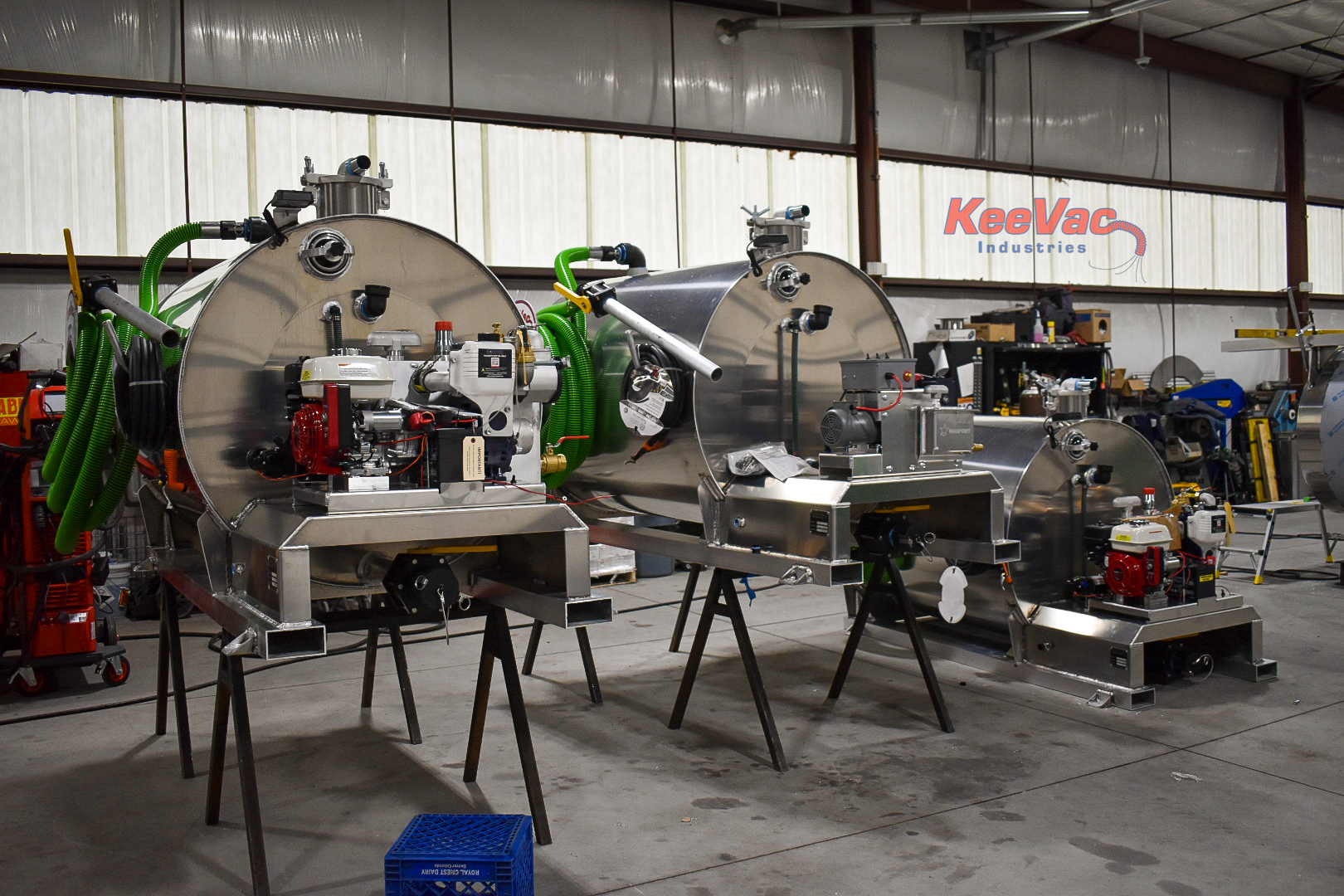
A well-structured vacuum truck preventive maintenance checklist is one of the most valuable tools a fleet owner can implement to protect uptime, extend equipment life, and maximize return on investment. Vacuum trucks operate in demanding environments and rely on tightly integrated systems, including engines, pumps, tanks, hydraulics, and filtration components. Without consistent maintenance, small issues can escalate into costly failures that disrupt operations and erode profitability. This guide outlines a practical, service-oriented approach to preventive maintenance that helps fleet managers stay ahead of breakdowns while keeping trucks safe, compliant, and productive.
Key Systems That Require Routine Preventive Maintenance
Vacuum trucks are complex machines with multiple systems working together under pressure. Prioritizing maintenance across these systems ensures balanced performance and reduces the likelihood of cascading failures.
- Engine and Powertrain
The engine powers both mobility and vacuum operations. Routine maintenance should include:
- Oil and filter changes at manufacturer-recommended intervals
- Air filter inspections to prevent restricted airflow
- Cooling system checks, including coolant levels, hoses, and radiator condition
- Belt and hose inspections for cracks, fraying, or leaks
- Transmission fluid checks and driveline inspections
- Vacuum Pump System
The vacuum pump is the core of the truck’s functionality. Maintenance should focus on:
- Oil level and condition checks
- Monitoring operating temperature and unusual noises
- Inspecting seals and gaskets for leaks
- Ensuring proper lubrication and alignment
- Cleaning or replacing inlet filters and silencers
- Tank and Structural Components
The tank endures significant stress and exposure to corrosive materials. Key tasks include:
- Visual inspections for cracks, corrosion, or structural fatigue
- Checking internal coatings and linings
- Verifying proper operation of doors, seals, and locking mechanisms
- Inspecting baffles and internal supports
- Ensuring compliance with safety and regulatory standards
- Hydraulic System
Hydraulics control critical functions such as dumping and hose operation. Maintenance should include:
- Checking hydraulic fluid levels and condition
- Inspecting hoses and fittings for leaks or wear
- Testing pressure levels and system responsiveness
- Replacing worn seals and filters
- Filtration and Hose Systems
Filtration protects both the pump and the environment. Regular care involves:
- Cleaning or replacing primary and secondary filters
- Inspecting hoses for cracks, soft spots, or blockages
- Ensuring secure connections and proper storage
- Flushing systems to prevent buildup
By maintaining each of these systems consistently, fleet owners can ensure that vacuum trucks perform reliably under demanding conditions.
How Preventive Maintenance Reduces Costly Breakdowns
Preventive maintenance is not just about routine care. It is a strategic approach to minimizing risk and controlling operational costs. When implemented effectively, it delivers measurable benefits across the entire fleet.
Reduced Downtime
Unexpected breakdowns often result in missed jobs, delayed schedules, and dissatisfied customers. A proactive checklist helps identify issues early, allowing repairs to be scheduled during planned downtime rather than emergency situations.
Lower Repair Costs
Minor issues such as worn seals or clogged filters are inexpensive to fix when caught early. If ignored, they can lead to major component failures such as pump damage or engine overheating, which are significantly more costly.
Extended Equipment Lifespan
Consistent maintenance reduces wear and tear on critical components. This extends the usable life of vacuum trucks and delays the need for capital replacement.
Improved Safety and Compliance
Regular inspections help ensure that trucks meet safety standards and regulatory requirements. This reduces liability and protects both operators and the public.
Higher Resale Value
Well-maintained equipment retains its value. Detailed maintenance records demonstrate responsible ownership and make trucks more attractive to potential buyers.
A disciplined maintenance program transforms reactive repairs into predictable, manageable upkeep, which ultimately strengthens the financial performance of the fleet.
Vacuum truck preventive maintenance checklist by service interval
Organizing maintenance tasks by service interval helps fleet managers stay consistent and ensures no critical steps are overlooked.
Daily Checks
- Inspect engine oil and coolant levels
- Check vacuum pump oil level
- Perform a visual walkaround for leaks, damage, or loose components
- Verify proper operation of lights, gauges, and controls
- Inspect hoses and connections
Weekly Maintenance
- Clean or inspect air filters and inlet filters
- Check hydraulic fluid levels
- Inspect belts and hoses for wear
- Test vacuum system performance
- Drain moisture from air tanks if applicable
Monthly Maintenance
- Inspect tank interior and exterior for corrosion or damage
- Check all seals and gaskets
- Inspect mounting hardware and structural supports
- Test safety features and emergency shutoffs
- Review maintenance logs for recurring issues
Quarterly or Semi-Annual Service
- Replace filters and fluids as needed
- Conduct detailed pump inspection
- Inspect hydraulic system pressure and performance
- Check alignment and calibration of key components
Annual Maintenance
- Perform a comprehensive system inspection
- Pressure test tank and vacuum system
- Replace worn or aging components
- Review compliance with industry regulations
Following a structured interval-based checklist ensures consistency and accountability across the fleet.
Engine, pump, and tank inspection priorities
Certain components demand closer attention due to their critical role in vacuum truck performance. Prioritizing inspections in these areas can prevent the majority of major failures.
Engine Priorities
- Monitor temperature and oil pressure regularly
- Address warning lights immediately
- Replace filters and fluids on schedule
- Listen for unusual noises or vibrations
Pump Priorities
- Maintain proper lubrication at all times
- Monitor operating temperature and airflow
- Check for leaks or reduced suction performance
- Replace worn vanes or internal components as needed
Tank Priorities
- Inspect for corrosion, especially in high-use areas
- Ensure all seals are airtight
- Check structural integrity and mounting points
- Clean regularly to prevent buildup and contamination
By focusing on these high-impact areas, fleet owners can significantly reduce the risk of unexpected downtime.
When to schedule professional service and repairs
While many maintenance tasks can be handled in-house, certain situations require professional expertise to ensure safety and long-term reliability.
Schedule professional service when:
- The vacuum pump shows signs of internal wear or performance loss
- Structural damage or corrosion is detected in the tank
- Hydraulic systems experience pressure inconsistencies
- Electrical or control systems malfunction
- Regulatory inspections or certifications are required
Professional technicians have the tools, training, and experience to diagnose complex issues and perform repairs that meet industry standards. Partnering with a trusted service provider ensures that repairs are done the first time correctly, reducing the risk of repeat failures.
Frequently Asked Questions
How often should a vacuum truck be serviced?
Service frequency depends on usage, but daily inspections combined with weekly and monthly maintenance routines are essential. Major servicing is typically required quarterly or annually.
What is the most common cause of vacuum truck failure?
Neglected maintenance, especially in the pump and filtration systems, is the leading cause. Contamination and lack of lubrication can quickly damage critical components.
Can preventive maintenance really reduce costs?
Yes. Preventive maintenance minimizes emergency repairs, extends equipment life, and reduces downtime, all of which contribute to lower overall operating costs.
What should be documented during maintenance?
Keep records of inspections, repairs, fluid changes, and part replacements. Detailed logs help track performance trends and support resale value.
Is it better to repair or replace aging equipment?
This depends on the condition and maintenance history of the truck. Well-maintained equipment can remain productive for many years, but recurring major repairs may indicate it is time for replacement.
Keep Your Fleet Performing at Its Best with KeeVac Industries
A proactive maintenance strategy is only part of the equation. Having the right equipment built to withstand demanding conditions is equally important. KeeVac Industries, a trusted Denver-based vacuum truck upfitter, delivers high-quality solutions designed for performance, durability, and long-term value. Whether you need a new or used chassis from leading manufacturers like Ford, Chevrolet, Ram, International, Peterbilt, Freightliner, Mack, Isuzu, or Kenworth, KeeVac provides expertly built vacuum trucks tailored to your needs. Our lineup includes septic pump trucks, vacuum tanks, and innovative slide-in pumper units that fit into the full-size bed of most pickup trucks. If you are ready to upgrade your fleet or need expert guidance on building the right solution, contact us and connect with the KeeVac team today.