Portable Restroom Truck Maintenance Checklist
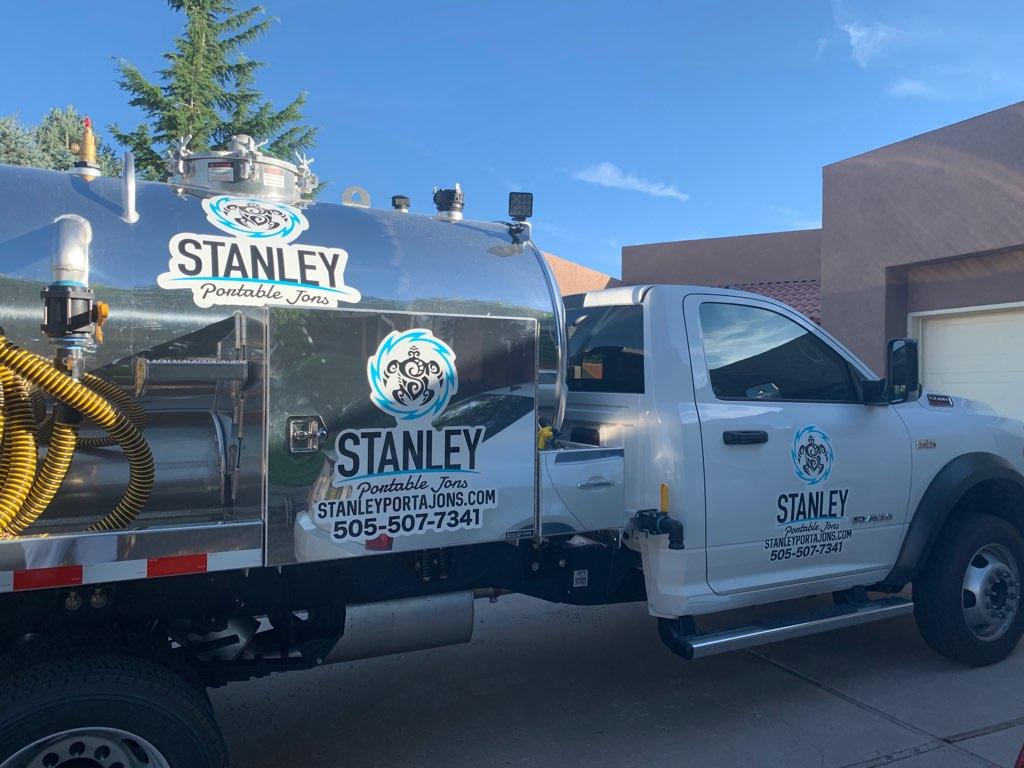
A strong portable restroom truck maintenance checklist is one of the most important tools for keeping service routes efficient, protecting sanitation standards, and extending the life of your equipment. Portable restroom trucks do more than move waste and refill tanks. They support public health, customer satisfaction, and daily business continuity. When a truck is not properly maintained, even a small issue can turn into a missed stop, an unhappy client, costly repairs, or a compliance problem. For operators who rely on portable restroom service vehicles every day, a consistent maintenance routine is not optional. It is part of running a dependable and professional business.
Portable restroom trucks work in demanding conditions. They handle waste removal, water delivery, cleaning chemicals, and frequent starts and stops across jobsites, events, parks, commercial properties, and remote locations. That level of daily use puts stress on the vacuum system, holding tanks, hoses, valves, chassis, and safety equipment. A proactive maintenance plan helps crews catch small problems before they affect service or create unsanitary conditions.
Portable Restroom Truck Maintenance Checklist
A portable restroom truck should be inspected on a daily, weekly, monthly, and seasonal basis. Structured maintenance reduces downtime and helps crews stay focused on delivering clean, reliable service.
Portable restroom truck maintenance checklist essentials
Start with the basics before every route. A pre-trip walkaround and system check can reveal obvious issues that might otherwise go unnoticed until the truck is on site.
Daily checklist items:
- Check engine oil, coolant, brake fluid, transmission fluid, and windshield washer fluid
- Inspect tires for tread wear, proper inflation, and visible damage
- Test headlights, brake lights, turn signals, beacon lights, and backup alarms
- Verify that the vacuum pump engages properly
- Inspect hoses for cracks, soft spots, leaks, and worn couplings
- Confirm that tanks, fittings, and valves are secure
- Check water system pressure and refill tank levels
- Make sure spray nozzles and washdown components are working
- Inspect chemical containers and confirm secure storage
- Look for signs of leaks around the waste tank, freshwater tank, pump, and plumbing
- Sanitize operator touchpoints in the cab and service area
- Verify that PPE, spill response materials, and safety cones are stocked
Weekly checklist items:
- Clean tank interiors and exterior surfaces thoroughly
- Lubricate moving parts recommended by the manufacturer
- Inspect filters and strainers for debris buildup
- Check hose reels and reel tension
- Review battery condition and terminal cleanliness
- Test pressure gauges and system controls
- Inspect belts for cracking or glazing
- Check the condition of clamps, gaskets, and seals
- Flush lines to help prevent buildup and odors
Monthly checklist items:
- Perform a more detailed brake inspection
- Check suspension components for wear
- Inspect tank mounts and frame attachment points
- Review pump oil condition and replace if needed
- Check vacuum relief valves and pressure protection devices
- Confirm accurate operation of level indicators and monitoring systems
- Inspect cab controls and dash warnings
- Review service logs and note any recurring issues
Documentation matters just as much as the inspection itself. A written checklist supports accountability and helps managers identify patterns, such as recurring hose failures or pump performance issues. Good records also support regulatory compliance and can help justify future equipment upgrades.
Components That Require Frequent Service
Portable restroom trucks include specialized systems that demand more attention than a standard work truck. While engine and chassis maintenance are essential, the sanitation equipment is what truly defines the vehicle’s daily workload.
Pump, tank, and hose inspections
The vacuum pump is the heart of the system. If it loses efficiency, the entire service route slows down. Pump issues can affect suction, tank emptying, and overall performance. Operators should listen for unusual noises, monitor vibration, and watch for overheating. Pump oil should be checked according to manufacturer recommendations, and any drop in performance should be addressed quickly.
Waste tanks require regular interior and exterior inspections. Over time, tanks can develop residue buildup, corrosion concerns, loose fittings, or stress at mounting points. Even a minor leak can create hygiene issues and damage customer trust. Frequent cleaning helps reduce odor, protect tank surfaces, and make it easier to spot wear.
Hoses are another major wear item. They are constantly dragged, bent, connected, disconnected, and exposed to chemicals and temperature changes. A hose failure during service is more than an inconvenience. It can create a sanitation emergency on site. Pay attention to:
- Abrasion and thinning along the hose body
- Cracks near couplings
- Loose or corroded fittings
- Reduced flexibility
- Kinks that restrict flow
- Signs of internal blockage
Valves, seals, clamps, and gaskets deserve routine inspection as well. These smaller parts are often overlooked until they fail. A leaking valve or worn seal can reduce suction, cause drips, or allow odors to escape. Replacing inexpensive wear components on schedule is far better than dealing with a route disruption.
Other high-service components include:
- Fresh water pumps
- Spray wands and washdown assemblies
- Tank level sensors
- Reel systems
- PTO components
- Vacuum regulators
- Control panels and switches
Service teams should also inspect the chassis and body integration points. Upfitted trucks depend on proper alignment, stable mounts, and secure tank installation. If the body or equipment shifts, it can create premature wear and safety issues. This is one reason buyers should work with an experienced upfitter that understands sanitation applications, weight distribution, and long-term serviceability.
Preventing Common Operational Issues
Preventive maintenance is about more than avoiding breakdowns. It is about preventing the daily frustrations that slow crews down, create customer complaints, and raise operating costs.
One common issue is loss of suction. This can come from pump wear, air leaks, blocked hoses, poor valve sealing, or neglected filters. If crews notice the truck taking longer to evacuate waste than usual, that is a warning sign worth investigating immediately. Reduced suction often starts small and grows worse over time.
Another frequent problem is odor control failure. Persistent odors may indicate residue buildup in the tank or lines, inadequate washdown performance, leaking seals, or poor drainage. Hygiene and odor control are central to customer satisfaction in the portable restroom industry, so this area cannot be ignored.
Water delivery issues are also common. Clogged nozzles, weak pressure, damaged lines, or low tank levels can leave units inadequately cleaned. This affects both sanitation quality and the customer’s perception of service. A truck that cannot effectively rinse and sanitize portable restrooms is not doing the full job.
Electrical issues can disrupt route efficiency as well. Malfunctioning gauges, lighting failures, switch problems, and intermittent power loss can all create delays. Regular battery checks, clean terminals, and attention to wiring harnesses help reduce these problems.
To prevent common operational issues, teams should focus on four habits:
- Inspect before and after every route
- Clean equipment thoroughly rather than rushing the washdown process
- Replace wear parts early instead of waiting for failure
- Keep detailed service records for each truck
Driver training is also part of maintenance. Even the best equipment suffers when it is operated carelessly. Drivers and technicians should understand proper pump engagement, hose handling, tank filling limits, shutdown procedures, and freeze protection steps. Consistent operating habits reduce unnecessary strain on the truck and its upfitted components.
Seasonal maintenance considerations
Portable restroom truck maintenance changes with the weather. Seasonal planning helps operators protect equipment and maintain service consistency all year.
Cold weather considerations:
- Winterize water lines, pumps, and spray systems
- Use approved methods to prevent freezing in vulnerable plumbing areas
- Inspect batteries closely since cold temperatures reduce performance
- Check tire pressure more frequently
- Keep door seals and compartments clean and functional
- Watch for ice buildup on steps, handles, and work surfaces
- Confirm cab heat and defrost systems are operating properly
Frozen plumbing and cracked lines can take a truck out of service quickly, especially in colder climates. Winter prep should happen before the first hard freeze, not after a failure.
Warm weather considerations:
- Monitor cooling system performance
- Check for heat-related hose degradation
- Inspect tank ventilation and odor control measures
- Wash trucks more frequently to reduce residue and odor buildup
- Watch fluid levels closely during heavy route periods
- Check air conditioning operation for driver comfort and safety
Spring and fall are ideal times for deeper inspections. These transition seasons are useful for reviewing the damage or wear caused by the previous weather cycle and preparing for the next.
Why Maintenance Matters for Hygiene, Reliability, and Compliance
Portable restroom service is a business where cleanliness and consistency are visible to every customer. A poorly maintained truck can affect hygiene outcomes in ways that customers notice immediately. Weak washdown pressure, dirty equipment, leaking fittings, or missed pickups reflect poorly on the company and may lead clients to question service quality across the board.
Reliability is just as important. When a truck goes down mid-route, that can mean delayed cleanings, scheduling headaches, overtime labor, and lost revenue. In busy seasons, one out-of-service vehicle can impact the entire fleet.
Compliance also plays a role. Maintenance supports safer handling of waste, proper containment, and roadworthy vehicle operation. Depending on your location and service model, operators may need to meet sanitation, transportation, environmental, and workplace safety requirements. A documented maintenance program supports a more organized and compliant operation.
Choosing the Right Equipment Partner
Even the best maintenance team benefits from well-built equipment. Portable restroom trucks that are properly upfitted from the start are easier to service, more durable in the field, and better suited to the operator’s route demands. That includes tank sizing, pump selection, hose layout, storage access, and chassis compatibility.
Businesses planning to expand or replace older units should look for equipment partners who understand vacuum truck applications and can match builds to real operating conditions. The right configuration can make daily maintenance easier and reduce long-term repair costs.
FAQ
How often should a portable restroom truck be inspected?
A portable restroom truck should receive a pre-trip inspection every day it is used. More detailed checks should be completed weekly and monthly, with seasonal inspections added before major weather changes.
What is the most important system to monitor on a portable restroom truck?
The vacuum pump is one of the most critical systems because it directly affects suction and route productivity. However, tanks, hoses, valves, and washdown components are also essential to safe and sanitary operation.
How can operators reduce odor issues in portable restroom trucks?
Regular tank cleaning, line flushing, seal inspection, and proper washdown system maintenance all help reduce odor. Promptly addressing leaks and buildup is also important.
Why do hoses need such frequent attention?
Hoses experience constant handling, bending, abrasion, and chemical exposure. This makes them one of the fastest-wearing components on the truck and a common source of leaks or flow problems.
What seasonal maintenance is most important in winter?
Winterization of water lines, pumps, and spray systems is a top priority. Operators should also check batteries, tires, defrosters, and any areas where freezing could damage equipment.
Does the truck chassis need separate maintenance from the sanitation equipment?
Yes. The engine, brakes, suspension, tires, and electrical systems need routine fleet maintenance in addition to the vacuum, tank, hose, and washdown components specific to portable restroom service.
Keep Your Fleet Ready with KeeVac Industries
If you are looking to upgrade your portable restroom service fleet with equipment built for durability, serviceability, and day-to-day performance, KeeVac Industries is ready to help. Based in Denver, we are a trusted vacuum truck upfitter offering septic pump trucks and vacuum tanks for sale to fit your specific needs. We build on new and used chassis from licensed dealers, including Ford, Chevrolet, Ram, International®, Peterbilt, Freightliner, Mack, Isuzu, and Kenworth. We also specialize in slide-in pumper units, including aluminum slide-in pumper units designed to fit the full-size bed of almost any pickup truck. To explore dependable equipment solutions tailored to your operation, reach out to us today.