Grease Trap Truck Compliance Requirements You Should Know
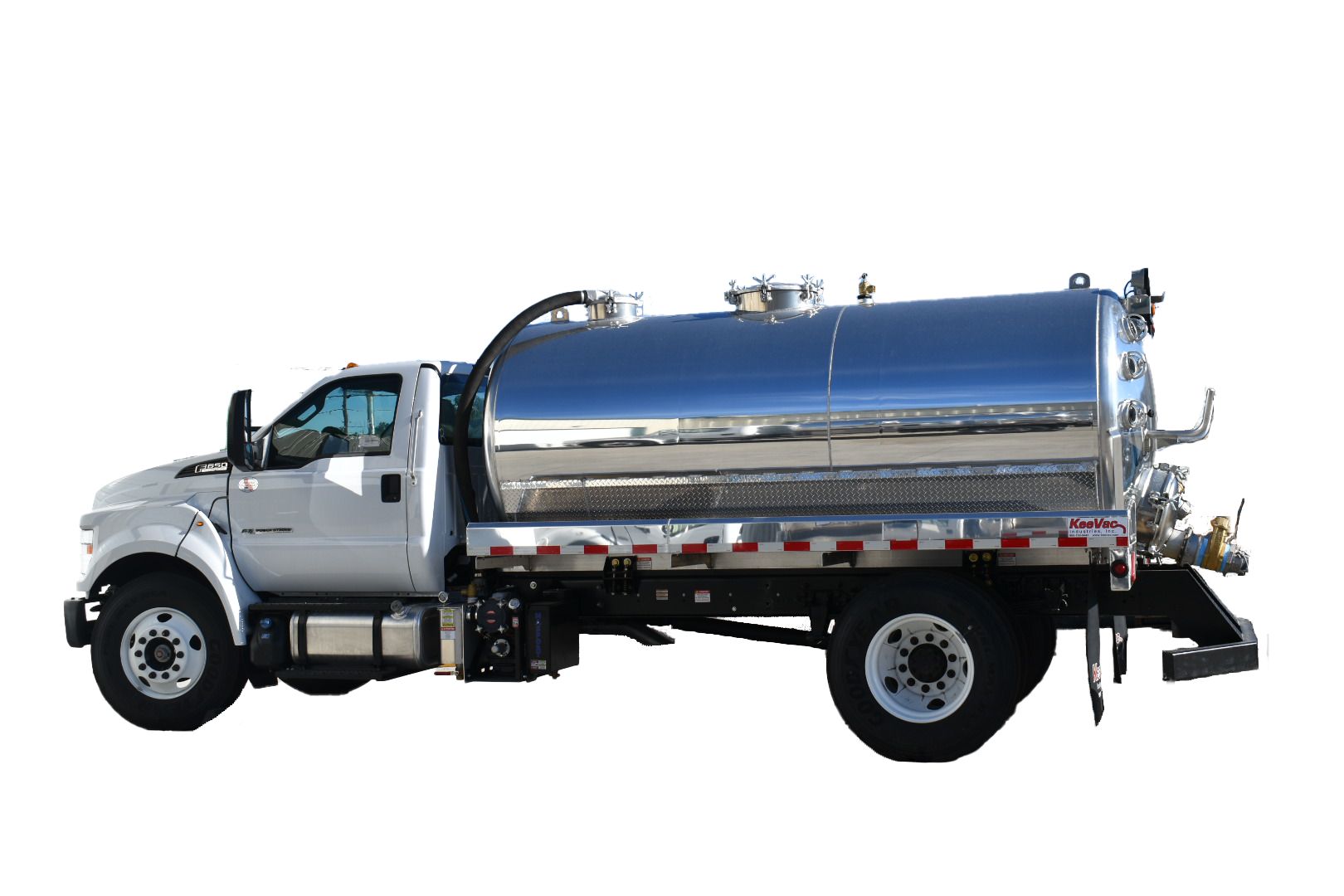
Grease trap truck compliance requirements are essential for operators who want to keep their vehicles on the road, protect the environment, serve customers responsibly, and avoid costly penalties. Whether you haul grease interceptor waste for restaurants, commercial kitchens, food processors, grocery stores, schools, or institutional facilities, compliance is not just a box to check. It is part of running a safe, trusted, and profitable pumping operation.
Grease trap trucks perform an important public health and wastewater protection role. They remove fats, oils, grease, sludge, and food solids before those materials can clog sewer lines, disrupt wastewater treatment systems, or create sanitation problems. Because the work touches transportation, waste handling, disposal, worker safety, spill prevention, and documentation, operators may need to follow several layers of rules at once. Requirements can come from federal agencies, state environmental departments, local wastewater authorities, landfill or treatment facilities, and the customer’s own service contract.
This guide breaks down the major compliance areas grease trap truck operators should understand before they buy equipment, expand a fleet, or take on new service routes.
Grease Trap Truck Compliance Requirements Overview
Grease trap truck compliance requirements explained
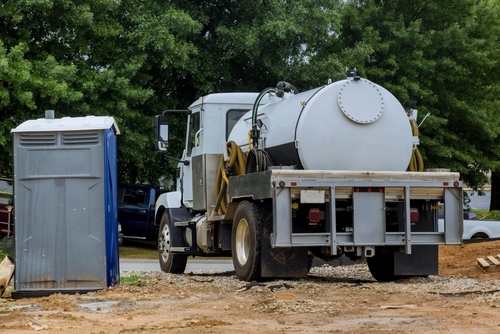
Grease trap truck compliance starts with understanding that these vehicles are both commercial motor vehicles and waste handling assets. That means the truck, tank, pump system, hoses, valves, fittings, safety gear, driver practices, and disposal process all matter.
At a practical level, operators should pay close attention to:
- Vehicle compliance: Registration, commercial vehicle markings, insurance, inspections, maintenance, driver qualifications, and applicable DOT or state motor carrier rules.
- Waste hauling permits: Local or state approvals that allow a company to collect, transport, and discharge grease trap waste.
- Approved disposal: Delivery of collected waste only to facilities authorized to receive that specific waste stream.
- Manifesting and documentation: Service records, customer receipts, disposal tickets, inspection records, maintenance logs, and spill reports.
- Worker safety: Training, personal protective equipment, confined space awareness, traffic safety, hose handling, chemical exposure prevention, and emergency response procedures.
- Tank and equipment integrity: Leak prevention, secure fittings, safe pumping operation, vacuum relief protection, cleanout access, and routine inspection.
The exact requirements vary by location, so operators should never assume that a process approved in one municipality is automatically acceptable in another. EPA guidance on hauled waste notes that hauled waste can include grease and sand trap waste, restaurant grease, septage, nonhazardous industrial waste, and other materials, and that publicly owned treatment works may control what waste they accept through local programs.
For a grease trap service company, compliance is also a customer service issue. Restaurants and commercial kitchens often rely on haulers to provide proof that their grease interceptor was pumped on schedule and that the material was disposed of properly. If an inspector asks for maintenance logs or disposal documentation, a reliable hauler helps the customer stay ready.
That is why the best operators treat compliance as a daily operating system, not an afterthought.
Common Regulatory Standards to Follow
The rules that apply to a grease trap truck may depend on truck size, operating radius, waste type, state law, local pretreatment program rules, and disposal facility requirements. Still, most operators should build their compliance program around several core standards.
Waste handling and disposal regulations
Grease trap waste must be handled carefully because it can contain fats, oils, grease, food solids, wastewater, cleaning chemicals, and other contaminants. Operators should confirm whether the waste is classified as nonhazardous, special waste, industrial waste, septage-related waste, or another regulated category in their service area.
Common waste handling expectations include:
- Use approved receiving facilities. Waste should be discharged only at facilities permitted to accept grease trap or interceptor waste.
- Do not dump illegally. Discharging into storm drains, fields, creeks, parking lots, unauthorized sewer manholes, or unapproved pits can trigger major penalties.
- Avoid mixing waste streams. Grease trap waste should not be mixed with chemicals, used oil, solvents, hazardous waste, or other materials unless specifically allowed by regulation and the receiving facility.
- Follow local pretreatment rules. Many wastewater authorities regulate hauled waste to protect treatment plant operations and prevent pass-through or interference.
- Control odors and spills. Trucks should be sealed, maintained, and operated in a way that minimizes nuisance conditions and environmental releases.
EPA guidance for hauled waste programs emphasizes the importance of controlling hauled waste accepted by treatment plants and recommends manifests that identify the hauler, generator, waste type, volume, suspected pollutants, and generator certification details.
Operators should also be careful when customers ask for “just a quick disposal” or offer an unfamiliar waste stream. Grease trap trucks may look like general-purpose vacuum trucks, but compliance depends on what the truck is permitted to haul and where the material is allowed to go. A load that contains solvents, petroleum products, industrial chemicals, or other restricted substances may require a different handling process.
In Colorado, for example, state law has specific provisions related to trap grease haulers, including registration-related requirements that may apply depending on the quantity and circumstances of collection, transport, or disposal. This is a reminder that grease waste rules can be highly local, especially for operators serving multiple counties or municipalities.
Smart compliance habit: Before accepting a new type of waste, verify the waste profile, customer source, receiving facility approval, and documentation requirements. A few minutes of review can prevent an expensive violation.
Recordkeeping and inspections
Good records are one of the strongest defenses a grease trap truck operator can have. If a regulator, customer, insurance carrier, or disposal facility asks for proof of compliance, your paperwork should tell a clear story.
Operators should maintain records such as:
- Customer name, address, and service date
- Grease trap or interceptor location
- Estimated or measured volume removed
- Waste description
- Truck and driver assigned to the job
- Disposal facility name and location
- Disposal date and ticket number
- Manifest or trip ticket
- Before and after service notes when needed
- Photos, if required by customer contract or local program
- Spill, odor, overflow, or access issue reports
- Equipment inspection and repair logs
On the vehicle side, FMCSA rules require motor carriers to systematically inspect, repair, and maintain commercial motor vehicles under their control, with parts and accessories kept in safe and proper operating condition. FMCSA safety planning guidance also describes maintenance record expectations, including vehicle identifying information, inspection and maintenance schedules, and records showing the date and nature of inspections, repairs, and maintenance.
For grease trap trucks, maintenance records should cover more than the chassis. The vacuum system, pump, tank, hose trays, valves, gaskets, hatch seals, pressure relief components, sight glass, rear door, hydraulic components, and washdown equipment should all be part of a documented inspection routine.
Operators should also prepare for roadside inspections. Depending on the truck’s weight rating, use, and route, drivers may need to comply with commercial driver qualification rules, hours of service rules, inspection requirements, vehicle markings, and insurance requirements. If the truck crosses state lines or meets certain commercial vehicle thresholds, federal motor carrier regulations may apply. If it operates only locally, state and municipal rules may still require similar documentation.
Inspection-ready operators usually have:
- A clean, organized cab
- Current registration and insurance documents
- Required permits or copies of approvals
- Daily vehicle inspection reports when applicable
- Emergency contact information
- Spill kit and safety equipment
- Proper placards or markings when required
- Clear company identification
- A maintenance file for each truck
- Disposal records that match customer service logs
This level of organization shows customers and inspectors that the company takes its responsibilities seriously.
Maintaining Compliance Over Time
Compliance is not something a grease trap truck operator completes once. Trucks age, routes change, drivers come and go, regulations shift, disposal facilities update acceptance policies, and customers may add new service locations. A company that wants to remain operational needs a repeatable system.
Start by creating a compliance calendar. Include vehicle inspections, permit renewals, insurance renewals, driver qualification reviews, training refreshers, tank inspections, pump servicing, hose replacement intervals, and disposal facility authorization renewals.
Next, standardize daily procedures. Drivers should know how to inspect the vehicle before departure, safely access the grease interceptor, set up cones or traffic controls, connect hoses securely, avoid spills, complete service paperwork, transport waste safely, discharge at the approved location, and report unusual conditions.
Training is especially important because grease trap work can expose employees to biological hazards, slippery surfaces, traffic, odors, pressurized equipment, and confined space risks. OSHA’s permit-required confined space standard requires employers to evaluate the workplace to determine whether spaces are permit-required confined spaces and to inform exposed employees of their existence, location, and danger. Grease trap truck operators should make sure employees understand that opening, inspecting, or working near interceptors, vaults, tanks, pits, or manholes can create serious hazards.
A strong safety program may include:
- Confined space awareness training
- Fall and slip prevention
- PPE requirements
- Gloves, eye protection, boots, and protective clothing
- Respiratory and odor hazard awareness
- Safe hose handling and lifting practices
- Lockout or equipment isolation procedures when applicable
- Traffic control procedures
- Spill response training
- Heat and cold stress awareness
- Customer site hazard reporting
Operators should also build relationships with disposal facilities and local regulators. A quick conversation with a wastewater authority can clarify whether manifests are required, what information must appear on disposal tickets, and which discharge locations are approved. Disposal facilities may also have rules about appointment times, sampling, maximum loads, prohibited materials, pH, solids content, or unloading procedures.
Technology can make long-term compliance easier. Digital route software, photo records, GPS tracking, electronic manifests, maintenance reminders, and cloud-based inspection forms help reduce missing paperwork. The goal is not just to store records. The goal is to make compliance easy for drivers and office staff to follow every day.
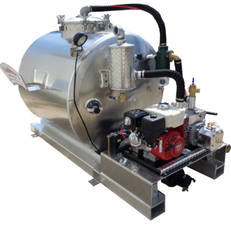
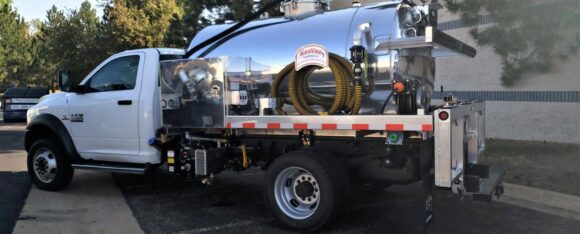
Fleet design matters too. The right truck configuration can make compliance more manageable. A well-built grease trap truck should support safe pumping, clean transport, reliable unloading, easy cleaning, accessible maintenance, and durable daily operation. Operators should consider tank capacity, payload, chassis rating, pump performance, hose storage, valve placement, toolbox space, lighting, ladder access, and spill containment features when selecting a build.
In other words, compliance begins before the truck ever reaches the first job site.
FAQ
What are grease trap truck compliance requirements?
They are the rules and operating practices that govern how grease trap trucks are registered, maintained, operated, used to collect waste, documented, and emptied at approved disposal facilities.
Do grease trap truck operators need special permits?
Often, yes. Permit requirements vary by state, county, city, wastewater district, and disposal facility. Operators should check local hauled waste, septage, trap grease, and commercial waste hauling rules before beginning service.
Where can grease trap waste be disposed of?
It should only be discharged at an approved receiving facility that accepts grease trap or interceptor waste. Never dispose of grease waste into storm drains, unauthorized sewer access points, open land, waterways, or unapproved tanks.
What records should a grease trap hauler keep?
Most operators should keep service logs, manifests, customer receipts, disposal tickets, truck maintenance records, inspection records, permit documents, spill reports, and training records.
Are grease trap trucks regulated by DOT rules?
Many are, depending on vehicle size, use, route, and operating authority. Commercial motor vehicle rules may apply to inspections, maintenance, driver qualifications, insurance, markings, and other operating requirements.
How often should grease trap trucks be inspected?
Operators should inspect trucks before use and maintain a formal preventive maintenance schedule. Chassis, tank, pump, hoses, valves, fittings, seals, safety equipment, and spill control supplies should all be checked routinely.
What happens if a hauler violates grease waste regulations?
Possible consequences include fines, loss of permits, rejected disposal loads, customer contract loss, cleanup costs, vehicle downtime, insurance issues, and civil or criminal enforcement in serious cases.
How can operators stay compliant as they grow?
Use standardized procedures, train drivers, maintain accurate records, schedule preventive maintenance, confirm disposal facility rules, renew permits on time, and choose equipment built for safe, reliable grease waste service.
Build a Grease Trap Truck That Helps Your Business Stay Ready
The right equipment can make compliance easier, safer, and more efficient from day one. KeeVac Industries is a Denver-based vacuum truck upfitter that helps operators build dependable trucks for demanding septic, grease, and vacuum service work. We use new and used chassis supplied by licensed dealers, including Ford, Chevrolet, Ram, International®, Peterbilt, Freightliner, Mack, Isuzu, and Kenworth, and offer a variety of septic pump trucks and vacuum tanks for sale to fit specific business needs.
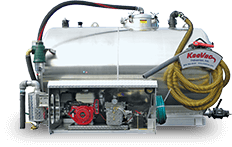
We also specialize in slide-in pumper units. Our aluminum slide-in pumper units are designed to fit into the full-size bed of almost any pick-up truck, making them a practical option for operators who need flexibility without committing to a full dedicated vacuum truck build.
When you are ready to add capacity, upgrade your fleet, or configure a truck that supports safe, professional service, connect with us. Our team can help you find the right chassis, tank, and pumping setup for your route demands, budget, and long-term growth goals.