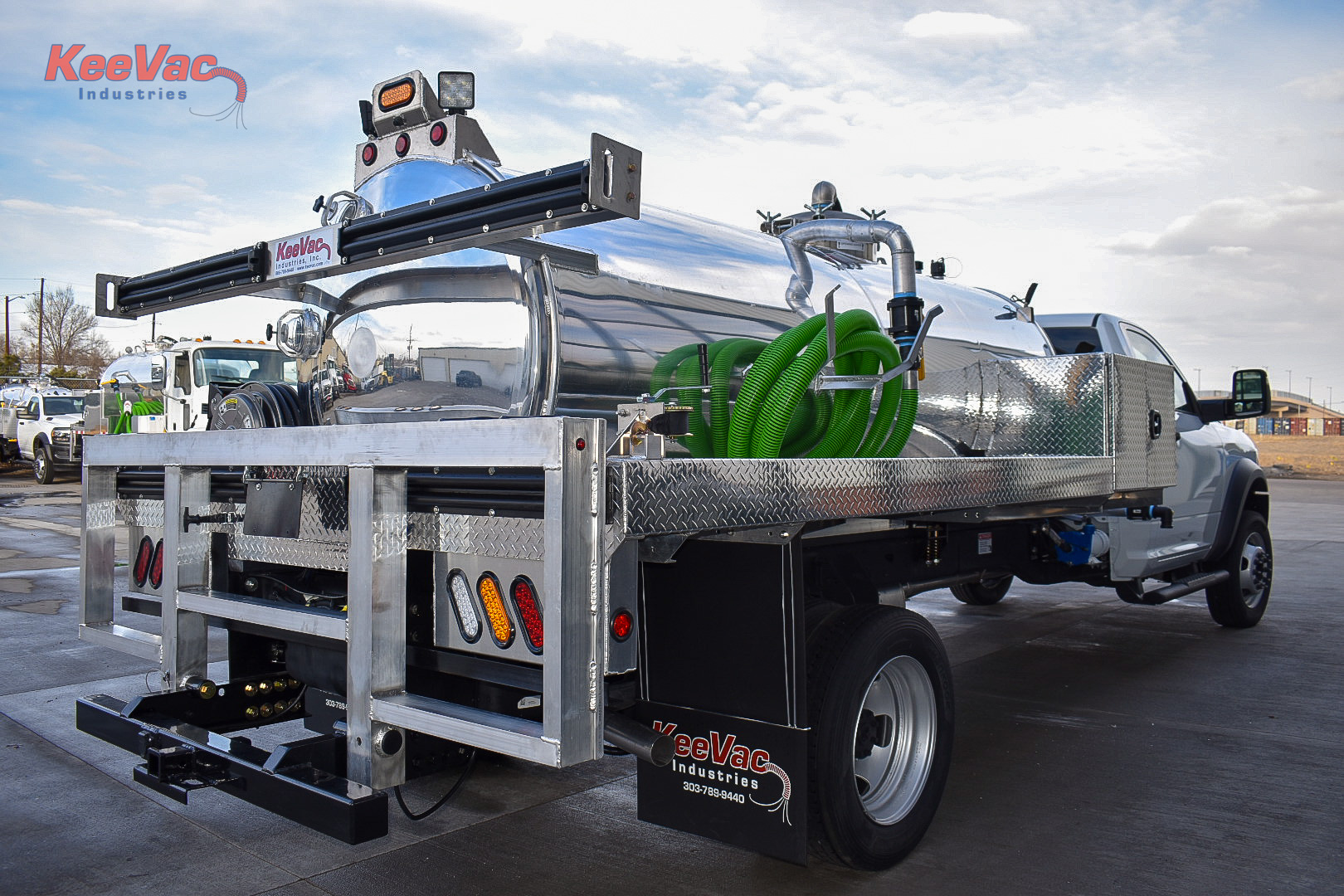
Vacuum truck operations are the backbone of industries such as septic services, municipal utilities, oil and gas, environmental cleanup, and industrial waste management. With demanding schedules, strict regulatory requirements, and high operating costs, efficiency is everything. That is where fleet management software for vacuum trucks comes into play. By digitizing and automating scheduling, tracking, reporting, and maintenance, modern software solutions give fleet managers real-time visibility and control over every vehicle and driver in the field.
In an industry where timing, compliance, and equipment performance directly impact profitability, technology has become an essential tool rather than a luxury. Fleet management platforms provide a centralized hub for managing assets, optimizing routes, reducing downtime, and improving customer satisfaction. For vacuum truck operators who want to stay competitive and scalable, adopting the right system can transform day-to-day operations.
Benefits of Fleet Management Software for Vacuum Trucks
Vacuum truck fleets face unique challenges. From transporting hazardous materials to servicing multiple job sites daily, operations must be precise and reliable. Fleet management software addresses these challenges head-on.
Improved Scheduling and Dispatching
Coordinating multiple vacuum trucks across service areas can be complex. Fleet management systems allow dispatchers to:
Assign jobs instantly based on location and availability
Monitor driver schedules in real time
Adjust routes on the fly to accommodate emergency calls
Reduce scheduling conflicts and miscommunication
With automated dispatching, businesses minimize delays and ensure technicians arrive on time. This enhances productivity and strengthens customer trust.
Enhanced Visibility and Accountability
Knowing where every truck is at any moment gives fleet managers a major advantage. Real-time tracking eliminates guesswork and provides detailed activity logs. This level of visibility:
Reduces unauthorized vehicle use
Improves driver accountability
Strengthens safety compliance
Supports accurate time tracking and billing
When teams are aligned and informed, operations become smoother and more transparent.
Lower Operating Costs
Fuel, maintenance, and labor represent significant expenses in vacuum truck operations. Fleet software helps control these costs through smarter route planning, reduced idle time, and proactive maintenance scheduling. Over time, these savings can significantly improve profit margins.
Stronger Regulatory Compliance
Vacuum trucks often handle hazardous or regulated materials. Fleet management systems can store inspection records, maintenance logs, and driver certifications in one secure location. This makes audits easier and ensures your fleet remains compliant with local, state, and federal regulations.
Key Features That Improve Operational Efficiency
The true power of fleet management software lies in its features. These tools work together to streamline processes, reduce manual work, and support informed decision-making.
Real-Time GPS and Route Optimization
One of the most impactful features is real-time GPS tracking. For vacuum truck operations, route efficiency directly affects fuel consumption, response time, and service quality.
Route optimization tools:
Identify the fastest and most efficient routes
Avoid traffic congestion and road closures
Reduce unnecessary mileage
Improve on-time arrival rates
For companies handling emergency septic backups or industrial waste removal, faster response times mean higher customer satisfaction and more completed jobs per day. Real-time GPS also allows managers to reroute trucks instantly if a higher priority call comes in.
Beyond efficiency, GPS tracking enhances safety. Managers can monitor speeding, harsh braking, and excessive idling, encouraging safer driving habits.
Maintenance Tracking and Alerts
Vacuum trucks are specialized, high-value assets. Regular maintenance is critical to keeping pumps, tanks, hoses, and chassis in peak condition. Unplanned downtime can be costly and disruptive.
Instead of relying on paper records or memory, managers receive automated alerts when service is due. This proactive approach helps prevent breakdowns and extends the life of expensive equipment.
For fleets operating new and used chassis such as Ford, Chevrolet, Ram, International®, Peterbilt, Freightliner, Mack, Isuzu, and Kenworth, consistent maintenance tracking ensures each truck performs reliably regardless of its age or configuration.
Data Insights for Performance Analysis
Data is one of the most powerful tools in modern fleet management. Software platforms collect and analyze information about vehicle usage, fuel consumption, driver performance, and job completion times.
With access to detailed reports, fleet managers can:
Identify underperforming vehicles
Compare fuel efficiency across trucks
Monitor driver behavior trends
Evaluate job profitability
Forecast maintenance needs
These insights allow companies to make strategic decisions backed by real numbers. For example, if certain routes consistently consume more fuel, managers can adjust schedules or assign different vehicles. If one truck experiences frequent repairs, it may be time to upgrade.
Data-driven management supports long-term growth and ensures resources are used effectively.
Integrating Software into Existing Fleet Systems
Adopting fleet management software does not mean overhauling your entire operation overnight. Successful integration involves careful planning and collaboration.
Assess Current Operations
Before implementing new software, evaluate your current processes. Consider:
How jobs are scheduled and dispatched
How maintenance is tracked
What reporting tools are currently used
Where bottlenecks or inefficiencies occur
Identifying pain points helps determine which features will deliver the greatest impact.
Choose Scalable Solutions
As your vacuum truck fleet grows, your software should grow with it. Look for systems that can:
Support additional vehicles and drivers
Integrate with accounting and billing platforms
Provide mobile access for field technicians
Offer customizable reporting dashboards
Scalability ensures your investment continues to deliver value over time.
Train Your Team
Technology is only as effective as the people using it. Provide comprehensive training for dispatchers, drivers, and managers. Clear communication about the benefits and expectations encourages team buy-in.
When employees understand how software simplifies their tasks, adoption becomes smoother and more successful.
Monitor and Adjust
After implementation, regularly review system performance. Analyze key metrics such as fuel savings, maintenance compliance rates, and job completion times. Use this data to refine workflows and maximize efficiency.
How Fleet Management Software Elevates Customer Service
Beyond internal efficiencies, fleet management systems significantly improve customer experience.
Accurate arrival times build trust
Faster response to emergencies strengthens relationships
Transparent billing based on verified job data reduces disputes
Reliable maintenance reduces service interruptions
When vacuum truck operators consistently deliver timely and professional service, they earn repeat business and referrals.
Supporting Growth in a Competitive Industry
The vacuum truck industry continues to evolve. Municipal contracts, environmental regulations, and industrial demands require advanced capabilities and dependable equipment. Fleet management software provides the infrastructure needed to scale operations confidently.
With real-time tracking, predictive maintenance, and actionable insights, companies can:
Expand service areas
Increase fleet size
Improve asset utilization
Maintain compliance with evolving standards
Technology gives operators the tools to stay ahead of competitors while maintaining high safety and quality standards.
The Role of Quality Equipment in Fleet Performance
While software enhances efficiency, the foundation of any successful operation remains dependable equipment. High-quality vacuum trucks built on reliable chassis deliver the performance necessary to handle demanding workloads.
Working with a trusted vacuum truck upfitter ensures your fleet is designed for durability, safety, and long-term value. Combining expertly built trucks with modern fleet management tools creates a powerful synergy that drives operational excellence.
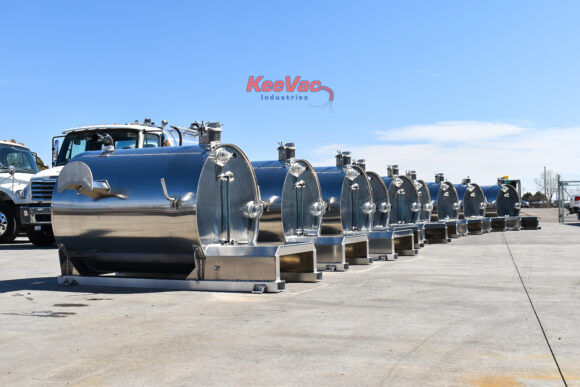
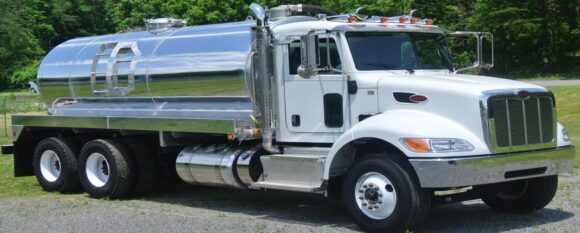
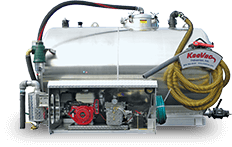
If you are ready to strengthen your vacuum truck operations, KeeVac Industries is here to help. Based in Denver, KeeVac Industries is a leading vacuum truck upfitter offering new and used chassis sourced from licensed dealers, including Ford, Chevrolet, Ram, International®, Peterbilt, Freightliner, Mack, Isuzu, and Kenworth. We provide a wide variety of septic pump trucks and vacuum tanks for sale to fit your specific needs. KeeVac also specializes in aluminum slide-in pumper units designed to fit into the full-size bed of almost any pickup truck, delivering flexibility and performance for growing businesses.
Pairing advanced fleet management technology with expertly engineered equipment positions your company for greater efficiency, profitability, and customer satisfaction. Contact us to learn how our custom vacuum truck solutions can power your fleet forward and support your long-term success.
Vacuum truck emissions compliance is no longer just a regulatory checkbox. It is a core part of operating a modern, efficient, and responsible fleet. As environmental standards tighten across the United States, vacuum truck manufacturers and operators must adapt to meet emissions requirements while still delivering the performance demanded by septic, industrial, municipal, and environmental service applications. From advanced engine technologies to strict recordkeeping practices, compliance is achieved through a combination of smart equipment choices, proper maintenance, and a deep understanding of federal and local regulations. This guide breaks down how vacuum trucks meet emissions compliance standards and what operators can do to stay ahead of enforcement trends while maximizing uptime and customer trust.
Emissions compliance for vacuum trucks is governed by a combination of federal regulations and state or local environmental rules. At the federal level, the Environmental Protection Agency sets emissions standards for heavy-duty and medium-duty engines under the Clean Air Act. These standards limit pollutants such as nitrogen oxides, particulate matter, hydrocarbons, and carbon monoxide. Modern vacuum trucks typically use EPA-compliant diesel engines that meet current emissions tiers through advanced exhaust aftertreatment systems and electronic engine controls. Compliance does not end at the point of manufacture. Operators are responsible for ensuring that trucks continue to meet standards throughout their service life. This includes maintaining emissions systems, using compliant fuels and fluids, and avoiding unauthorized engine modifications. States like California and Colorado may impose additional requirements related to idling, opacity testing, or reporting. Municipalities can also set rules for operating in certain zones or during specific hours. Understanding these layered requirements is essential for any vacuum truck owner or fleet manager. Failure to comply can result in fines, vehicle downtime, or even forced retirement of equipment. By working with knowledgeable upfitters and dealers, operators can select compliant chassis and vacuum systems that are properly matched to their intended use and regulatory environment.
Key Technologies That Reduce Emissions
Modern vacuum trucks rely on a suite of technologies designed to significantly reduce harmful exhaust emissions without sacrificing power or reliability. These systems work together to clean exhaust gases before they exit the tailpipe and to optimize combustion within the engine itself. Common emissions reducing technologies include diesel oxidation catalysts, diesel particulate filters, selective catalytic reduction systems, exhaust gas recirculation, and advanced engine control modules. Each component plays a specific role in reducing pollutants and improving overall efficiency. For example, particulate filters trap soot and ash, while catalytic systems convert harmful gases into less harmful compounds. Engine controls continuously monitor operating conditions and adjust fuel delivery and timing to minimize emissions. These technologies are now standard on most new vacuum truck chassis from manufacturers such as Ford, Chevrolet, Ram, International, Peterbilt, Freightliner, Mack, Isuzu, and Kenworth. When paired with properly designed vacuum tanks and pump systems, they allow trucks to perform demanding jobs while remaining compliant. Operators who understand how these systems work are better equipped to maintain them and avoid unnecessary downtime or compliance issues.
How DEF Systems Improve Engine Efficiency
Diesel Exhaust Fluid systems are a cornerstone of modern vacuum truck emissions compliance. DEF is a non-toxic solution injected into the exhaust stream of diesel engines equipped with selective catalytic reduction technology. When DEF is introduced into hot exhaust gases, it breaks down nitrogen oxides into harmless nitrogen and water vapor. This process dramatically reduces NOx emissions, which are a major contributor to smog and respiratory problems. Beyond emissions reduction, DEF systems also improve engine efficiency. Because SCR handles much of the emissions control downstream, engines can be tuned for better combustion and fuel economy upstream. This often results in improved torque, better throttle response, and lower overall fuel consumption. Proper use of DEF requires operators to keep tanks filled with the correct fluid and to prevent contamination. Running out of DEF or using improper fluid can trigger engine derates or fault codes, potentially sidelining a truck. Regular inspection of DEF tanks, lines, and sensors is essential. When maintained correctly, DEF systems provide a reliable and effective way to meet emissions standards while supporting strong performance in demanding vacuum truck applications.
Meeting Local and Federal Environmental Standards
Meeting emissions compliance standards requires coordination between manufacturers, upfitters, and operators. At the manufacturing and upfitting stage, compliance begins with selecting EPA-certified engines and ensuring that all emissions-related components are installed and configured correctly. Vacuum truck builders must also consider how added equipment, such as pumps, blowers, and hydraulic systems interact with the chassis engine. Improper integration can increase engine load, leading to higher emissions or reduced system efficiency. Reputable upfitters design vacuum systems that balance performance with emissions compliance, often using power take-off systems and controls that minimize unnecessary engine strain. Once the truck is in service, operators play a critical role in ongoing compliance. This includes adhering to idling restrictions, performing scheduled maintenance, and addressing warning lights promptly. Some jurisdictions require periodic emissions testing or opacity checks, especially for older vehicles. Others mandate reporting of engine hours or usage in certain zones. Staying informed about these requirements helps operators avoid surprises during inspections or audits. Partnering with experienced dealers and upfitters can also simplify compliance, as they often provide guidance on regulatory changes and best practices for specific regions.
Common Emissions Violations to Avoid
Despite advanced technology, emissions violations can still occur, often due to preventable issues. One common violation is tampering with emissions systems, whether intentional or accidental. Removing or disabling components such as particulate filters or SCR systems is illegal and can result in severe penalties. Another frequent issue is neglecting maintenance, leading to clogged filters, failed sensors, or malfunctioning DEF systems. Running a truck with active fault codes related to emissions can also trigger violations if discovered during an inspection. Using incorrect fuel or DEF, or allowing fluids to become contaminated, is another risk. Operators should also be cautious about excessive idling, which can violate local regulations and contribute to unnecessary emissions. Training drivers and technicians to recognize early warning signs and to follow proper operating procedures is one of the most effective ways to avoid these problems. Clear policies, regular inspections, and open communication within the fleet all support compliance and reduce the risk of costly violations.
Recordkeeping for Compliance Audits
Accurate recordkeeping is a critical but often overlooked aspect of vacuum truck emissions compliance. Regulatory agencies may request documentation during audits or inspections to verify that vehicles are being maintained and operated in accordance with emissions standards. Useful records include maintenance logs, repair invoices, DEF usage records, emissions test results, and documentation of any recalls or warranty work related to emissions systems. Keeping detailed and organized records demonstrates good faith compliance and can help resolve issues more quickly if questions arise. Digital fleet management systems can simplify this process by tracking engine data, maintenance schedules, and fault codes in real time. Even smaller operators can benefit from basic recordkeeping practices such as standardized inspection forms and centralized storage of documents. Consistent documentation not only supports compliance but also improves fleet reliability and resale value. Buyers increasingly look for well-documented equipment that has been properly maintained, especially when emissions systems are involved.
Why Emissions Compliance Matters for Your Business
Beyond avoiding fines and penalties, emissions compliance delivers tangible business benefits. Compliant vacuum trucks are more efficient, more reliable, and more attractive to customers who prioritize environmental responsibility. Many municipalities and commercial clients now require contractors to meet specific emissions standards as part of their procurement process. Operating compliant equipment can open doors to new contracts and long-term partnerships. It also protects your investment by ensuring that trucks remain legal to operate as regulations evolve. Working with experienced upfitters who understand emissions requirements helps future-proof your fleet and reduces the risk of costly retrofits or early retirement of equipment. In an industry where uptime and reputation matter, compliance is a competitive advantage.
Partner with KeeVac Industries for Compliant Vacuum Truck Solutions
If you are looking for a trusted partner to help you navigate vacuum truck emissions compliance, KeeVac Industries is ready to help. Based in Denver, KeeVac Industries specializes in building and upfitting vacuum trucks that meet modern emissions standards while delivering the performance you need. We work with new and used chassis from licensed dealers, including Ford, Chevrolet, Ram, International, Peterbilt, Freightliner, Mack, Isuzu, and Kenworth. Our lineup includes a wide variety of septic pump trucks and vacuum tanks for sale to fit your specific operational requirements. We also specialize in slide-in pumper units designed for maximum versatility. Our aluminum slide-in pumper units fit into the full-size bed of almost any pickup truck, providing a compliant and cost-effective solution for expanding your fleet. Explore our inventory, learn more about our custom upfitting capabilities, and talk with our team about building a vacuum truck solution that keeps your business compliant, efficient, and ready for the road.
Becoming a professional vacuum truck operator is a rewarding career path for individuals who enjoy hands-on work, problem-solving, and operating specialized heavy equipment. Vacuum truck operators play a critical role in industries such as septic services, industrial cleaning, oil and gas, municipal maintenance, and environmental services. Because these trucks handle liquid and solid waste, hazardous materials, and high-powered suction systems, proper training is essential. Understanding vacuum truck operator training requirements is the first step toward building a safe, compliant, and successful career in this field.
Understanding Vacuum Truck Operator Training Requirements
Vacuum truck operator training requirements vary by state, employer, and the type of materials being transported, but several foundational standards apply across the board. At its core, training focuses on safety, regulatory compliance, equipment operation, and environmental responsibility. Operators must understand how vacuum systems work, how to safely transport and dispose of waste, and how to protect themselves, the public, and the environment. If you are new to the equipment, start with what a vacuum truck is and how it works.
Most employers look for candidates who have a combination of formal licensing, safety certifications, and practical experience. Training typically includes classroom instruction, supervised driving, hands-on equipment operation, and ongoing safety refreshers. Operators must also stay up to date on local, state, and federal regulations that govern waste transport and disposal.
Common elements of vacuum truck operator training include:
Commercial driving instruction and testing
Safety and hazard recognition training
Equipment operation and maintenance basics
Environmental compliance and waste handling procedures
Emergency response and spill containment protocols
Because vacuum trucks are specialized vehicles, operators often receive additional training beyond standard commercial driving. This ensures they can safely operate pumps, hoses, tanks, valves, and pressure systems while working in a wide range of environments.
CDL and OSHA Requirements for Vacuum Truck Operators
One of the most important steps in meeting vacuum truck operator training requirements is obtaining the proper commercial driver’s license. Most vacuum trucks exceed weight thresholds that require a CDL, typically a Class B or Class A license, depending on the truck configuration and whether trailers are involved. Drivers may also need specific endorsements if transporting hazardous materials.
OSHA requirements are equally important. Vacuum truck operators are often exposed to confined spaces, hazardous substances, and high-pressure equipment. OSHA training helps operators recognize risks and follow standardized safety procedures. Many employers require OSHA 10 or OSHA 30 certifications, particularly for industrial or construction-related work.
Key regulatory requirements often include:
CDL Class B or Class A licensing
Medical certification and DOT physicals
OSHA safety training certification
Hazard communication training
Confined space awareness training
Meeting these requirements not only improves job prospects but also builds a strong safety foundation that protects operators and their crews on every job.
Steps to Get Certified as a Vacuum Truck Operator
While there is no single national certification that defines a vacuum truck operator, becoming qualified involves completing a series of recognized steps that employers trust. These steps help ensure operators are prepared for both the technical and regulatory aspects of the job.
The first step is earning a high school diploma or GED. While not always mandatory, it is often preferred and can make CDL training easier. Next comes commercial driver training through an accredited driving school or employer-sponsored program. These programs prepare candidates for the written and road tests required to earn a CDL.
After obtaining a CDL, operators typically complete safety certifications and employer-specific training programs. Many companies provide structured onboarding that covers their equipment, procedures, and service standards.
A typical certification pathway includes:
Completing CDL training and passing exams
Obtaining OSHA safety certification
Completing hazard and environmental training
Passing employer-administered equipment tests
Participating in supervised field training
Some operators also pursue additional certifications related to wastewater handling, septic systems, or industrial cleaning to expand their skill set and earning potential.
On-the-Job Training and Hands-On Experience
Hands-on experience is where classroom knowledge becomes a practical skill. On-the-job training is a cornerstone of vacuum truck operator training requirements and is often the most valuable part of the learning process. New operators typically work alongside experienced professionals who guide them through daily tasks, safety checks, and real-world problem-solving.
During this phase, trainees learn how to:
Perform pre-trip and post-trip inspections
Set up and operate vacuum pumps safely
Manage hoses, fittings, and valves
Load and unload waste materials properly
Navigate job sites and tight spaces
Communicate with customers and team members
On-the-job training also helps operators develop confidence. Handling equipment under supervision allows new drivers to build muscle memory and situational awareness. Over time, they learn how different materials behave, how weather and terrain affect operations, and how to respond to unexpected challenges.
Many employers require a probationary period where operators must demonstrate safe driving, proper equipment use, and adherence to company policies before working independently.
Essential Skills Every Operator Should Learn
Beyond licenses and certifications, successful vacuum truck operators develop a broad set of technical and soft skills. These skills improve safety, efficiency, and customer satisfaction, all of which are critical in service-based industries.
Mechanical awareness is one of the most important skills. Operators should understand how their truck and vacuum system function so they can identify issues early and perform basic troubleshooting. This does not mean becoming a mechanic, but knowing warning signs can prevent breakdowns and costly downtime.
Other essential skills include:
Attention to detail when following safety procedures
Physical stamina for handling hoses and equipment
Problem-solving in dynamic job site conditions
Time management and route planning
Clear communication with customers and supervisors
Professionalism when representing the company on-site
Operators also benefit from strong situational awareness. Job sites can include traffic, confined spaces, uneven terrain, and hazardous materials. The ability to assess risks and adapt quickly is critical to maintaining safety and efficiency.
Advanced Courses to Improve Operator Performance
As operators gain experience, many choose to pursue advanced training to improve performance and open new career opportunities. Advanced courses can focus on specialized equipment, high-risk environments, or leadership development.
Examples of advanced training options include:
Confined space entry certification
Hazardous waste handling and transport
Advanced pump and vacuum system operation
Environmental compliance and documentation
Supervisor or lead operator training
These courses help operators take on more complex jobs and may lead to higher pay or management roles. Employers value operators who invest in continuous learning because it reduces risk and improves service quality.
Advanced training also keeps operators up to date on evolving regulations and technology. Vacuum truck equipment continues to advance, with improved safety features, more efficient pumps, and specialized tank designs. Operators who understand these systems can work more efficiently and safely.
Building a Long-Term Career as a Vacuum Truck Operator
Training does not stop once an operator is fully qualified. The best professionals treat training as an ongoing process. Regular safety meetings, refresher courses, and equipment updates are all part of maintaining high standards.
Operators who build long-term careers often take pride in their equipment, stay current on regulations, and develop strong relationships with customers. These qualities lead to repeat business, positive reputations, and advancement opportunities.
A commitment to safety and professionalism also reduces wear and tear on equipment and minimizes accidents. This benefits both operators and employers by lowering costs and improving job satisfaction.
Why Quality Equipment Matters for Training and Performance
Training is most effective when paired with reliable, well-designed equipment. Vacuum trucks that are properly upfitted, easy to operate, and matched to the job make it easier for operators to learn and perform at a high level. Poorly designed or worn-out equipment can create unnecessary risks and slow down training progress.
Working with a trusted vacuum truck upfitter ensures operators have access to trucks that meet regulatory standards and are built for real-world demands. From pump placement to tank capacity and hose management, thoughtful design supports safer and more efficient operation.
Partner With KeeVac Industries for Your Vacuum Truck Needs
Whether you are training new operators or expanding your fleet, having the right equipment makes all the difference. KeeVac Industries is a Denver-based vacuum truck upfitter dedicated to helping businesses succeed with dependable, purpose-built solutions. We use new and used chassis from trusted manufacturers, including Ford, Chevrolet, Ram, International®, Peterbilt, Freightliner, Mack, Isuzu, and Kenworth, all supplied by licensed dealers for every build. We offer a wide range of septic pump trucks and vacuum tanks for sale to fit your specific needs, from municipal work to private service operations. KeeVac Industries also specializes in slide-in pumper units. Our aluminum slide-in pumper units are designed to fit into the full-size bed of almost any pickup truck, giving operators flexibility without sacrificing performance. If you are ready to support your team with equipment that enhances training, safety, and productivity, contact us today and let our experienced team help you build the right vacuum truck for the job.
A vacuum truck is a serious piece of equipment built to do tough jobs in septic, industrial, and environmental work. But keeping that truck compliant and in peak condition takes more than good maintenance habits. It requires understanding and following the vacuum truck DOT inspection checklist, the detailed set of items reviewed by inspectors under the Federal Motor Carrier Safety Regulations (FMCSR). Whether you’re a seasoned operator or new to the business, knowing what’s on that checklist can keep your truck on the road, your business compliant, and your customers happy. Below, we’ll go through everything you need to know about DOT inspections, from must-pass components to pre-trip routines and documentation best practices.
Every vacuum truck operating on public roads must pass an annual Department of Transportation (DOT) inspection performed by a qualified inspector. During this inspection, all vital systems are checked for safety, proper function, and compliance with federal standards. For a refresher on the parts being inspected, see our guide to vacuum truck components. The main components of the required checklist include:
Identification and paperwork: Inspectors will verify your USDOT number, registration, proof of insurance, and annual inspection decal. Your vehicle identification number (VIN), license plates, and company markings must be visible and legible.
Frame and body: The truck’s frame, cross members, and mounting points must be free of cracks, corrosion, or loose bolts. Inspectors will pay close attention to the integrity of the tank and its mounting brackets since these carry heavy loads under variable conditions.
Fuel and exhaust systems: Check for fuel leaks, secure fuel caps, proper exhaust routing, and no signs of soot or damage near sensitive components. Fuel lines should be intact with no visible wear.
Steering mechanism: Inspect the steering wheel lash, linkages, gearbox, and power steering fluid. Any excessive play or loose components can cause immediate failure.
Suspension system: Inspect leaf springs, shocks, air bags, and torque arms for wear or cracks. Uneven height between axles can indicate suspension issues that must be repaired before operation.
Driveline and axles: The universal joints, driveshaft, and differential housing must be secure and lubricated. Any leaks or excessive movement at the joints are red flags.
Windshield and mirrors: The windshield must be free of major cracks, and wipers must function correctly. Mirrors should be firmly attached and offer clear, unobstructed views.
A good rule of thumb: if it moves, carries pressure, or affects braking or vision, it’s on the checklist.
Your truck’s brakes, lights, and tires are the first line of defense for safety on the road, and they’re also the most scrutinized items during both annual and roadside DOT inspections.
Brakes
Brakes are one of the most critical systems for compliance. Inspectors will check for:
Adequate brake lining thickness on all wheels
No air leaks or audible hissing from the system
Proper adjustment of air brakes
Secure hoses and fittings without cracks or chafing
Correct operation of the parking brake and emergency brake
Operators should test the air brake system daily by performing a full-pressure buildup and leak-down test. If the air loss rate exceeds DOT limits, repairs are required immediately.
Lights
Lighting violations are some of the most common DOT citations, yet they’re also the easiest to avoid. Inspect all lights daily, including:
Headlights (high and low beam)
Brake lights
Turn signals
Clearance and marker lamps
License plate light
Backup light All bulbs should illuminate fully, lenses should be clean and intact, and wiring should be free from corrosion or damage.
Tires
Tires are checked for tread depth, sidewall condition, and proper inflation. The DOT minimum tread depth is 4/32 inch on steering axles and 2/32 inch on other positions. Inspectors will also check for mismatched tires, bulges, cuts, or exposed cords. Always verify your lug nuts are secure and that wheel seals show no signs of oil leakage.
Vacuum truck tanks and related components receive special attention because they handle hazardous or regulated materials. Inspectors will look closely at:
Tank condition: The tank shell, heads, and welds must be free of dents or cracks. The tank should display required placards or markings if it transports hazardous waste.
Hose integrity: Check suction and discharge hoses for wear, abrasions, and proper coupling connections. All hoses should be stored securely to prevent damage during transit.
Valves and fittings: Ensure that all valves operate smoothly and seal tightly. Leaks around valve seats or fittings are serious violations.
Pressure/vacuum relief systems: These must be operational and correctly rated for your tank. Test them regularly to ensure they open and close properly under pressure.
Mounting and securement: The tank should be mounted securely with no movement during operation. Bolts, straps, and brackets should all be tight and corrosion-free.
For vacuum trucks carrying septic or industrial waste, inspectors may also verify the proper containment of residues and compliance with EPA regulations for waste transport.
Vacuum Truck DOT Inspection Checklist: Emergency & PPE Gear
DOT inspections also verify that your truck is equipped with the proper safety and emergency equipment. A missing triangle or fire extinguisher can lead to fines or an out-of-service order. Ensure that you have:
Fire extinguisher (rated and fully charged)
Three reflective warning triangles or approved flares
First aid kit with current supplies
Personal protective equipment (PPE), including gloves, safety glasses, respirator, and chemical-resistant coveralls when appropriate
Spill kit containing absorbents, containment booms, and disposal bags Operators should also verify that safety decals are legible and that emergency shutoff labels are clearly marked and functional.
Pre-Trip Routines, Logs, and Repair Priorities
Pre-trip inspections are the foundation of compliance and safety. Before each shift, drivers must conduct a complete walkaround inspection and log the results in their Driver Vehicle Inspection Report (DVIR).
A good pre-trip routine includes:
Fluids: Check engine oil, coolant, hydraulic fluid, and brake fluid levels. Top off as needed.
Leaks: Look under the truck for oil, fuel, or water leaks.
Belts and hoses: Squeeze and visually inspect for wear or cracks.
Battery connections: Terminals should be clean and tight.
Lights and signals: Perform a full lighting test.
Brakes: Conduct a visual check and an air system test.
Tank and hoses: Ensure all caps and valves are closed and secure.
When defects are found, they must be corrected before the truck is placed back into service. Some issues can be deferred if non-critical, but anything related to brakes, tires, or steering should be prioritized immediately.
Drivers must also carry documentation of previous inspections and repairs. Keep a folder in the cab with your annual inspection form, maintenance receipts, and DVIRs from the past 90 days. Electronic logging devices (ELDs) can simplify this process and reduce paperwork errors.
Common Violations and How to Avoid Them
Knowing what inspectors most often cite helps operators focus on the right details during daily checks. Common DOT violations for vacuum trucks include:
Brake system defects: Air leaks, out-of-adjustment brakes, or worn linings.
Lighting violations: Non-functioning clearance lights or missing reflectors.
Tire issues: Insufficient tread depth or underinflated tires.
Leaking hoses or valves: Especially on septic or hazardous waste haulers.
Missing safety gear: No triangles, fire extinguisher, or PPE.
Incomplete logs: Missing DVIR entries or expired annual inspections.
To avoid these, train drivers thoroughly on inspection points and reinforce accountability. Using checklists, either printed or digital, ensures that no critical component is overlooked. Make routine maintenance part of your operation’s culture, not just a regulatory requirement.
When you take these steps seriously, you not only prevent costly fines and downtime but also demonstrate professionalism to your clients. Vacuum truck work often happens in public or high-stakes industrial environments, and a clean, well-maintained truck speaks volumes about your business standards.
Partner with KeeVac Industries for Safe, Compliant Equipment
A successful DOT inspection starts long before an inspector arrives; it starts with the quality and reliability of the truck you drive. At KeeVac Industries, we build and upfit vacuum trucks designed for long-term performance, safety, and compliance. Based in Denver, KeeVac uses both new and used chassis supplied by licensed dealers, including Ford, Chevrolet, Ram, International®, Peterbilt, Freightliner, Mack, Isuzu, and Kenworth. Our expert team customizes each build with precision-engineered tanks and components for septic, industrial, and environmental applications.
Looking for a new or replacement unit? KeeVac offers a full range of septic pump trucks, vacuum tanks, and aluminum slide-in pumper units that fit into the full-size bed of most pickup trucks, ideal for contractors who need flexibility without compromising power or performance. Each build is engineered to meet or exceed DOT requirements, giving you confidence that your equipment is inspection-ready from day one.
Whether you’re managing a single truck or an entire fleet, KeeVac Industries is here to keep your business compliant, productive, and profitable. Explore our inventory, request a quote, or talk to one of our specialists about building a vacuum truck that fits your exact needs.
If you are planning to expand your pumping or wastewater service business, one of the first questions you might ask is: how much does a grease trap truck cost? The answer is not a simple number because multiple factors drive the final price tag. From the tank’s material to the pump style, filtration system, and even the truck chassis you choose, every specification plays a role. Costs vary significantly between starter builds designed for local routes and heavy-duty fleet trucks meant to handle high-capacity contracts. Understanding these differences will help you make the right investment for your business.
Grease Trap Truck Cost: What You’ll Pay & Why
Grease trap truck prices range widely, typically starting around $60,000 for smaller builds and climbing well above $200,000 for premium, high-capacity models. What drives this range is the combination of new or used chassis, tank material, pump system, and specialized add-ons. Each choice influences both upfront cost and long-term operating expenses. A company that primarily services local restaurants may be able to operate effectively with a budget build, while regional or municipal contracts usually demand higher-capacity trucks that require a premium investment.
Grease Trap Truck Cost: New vs Used vs Refurbished
The biggest factor influencing your budget at the start is whether you buy new, used, or refurbished. A new grease trap truck offers the latest technology, full warranty coverage, and peace of mind about reliability. Expect to pay the highest upfront cost, but you gain longer service life and fewer repair surprises.
A used truck lowers initial investment but can come with unknowns. If you purchase from a reputable dealer who inspects and services the vehicle, you can find solid value. However, hidden wear on pumps or tanks can result in higher maintenance costs later.
Refurbished builds strike a balance. These are used chassis or tanks that have been rebuilt and customized to customer specifications. A reliable refurbisher can deliver nearly new performance at a fraction of the price, making this option attractive for businesses growing cautiously into grease trap pumping.
Several core components drive the cost of a grease trap truck beyond the chassis itself. Each deserves careful consideration.
Tank Material: The vacuum tank is one of the largest expenses. Steel tanks are durable and long-lasting, but add weight, which impacts fuel efficiency. Aluminum tanks cost more upfront but save in operating costs by being lighter, which allows for more payload and less wear on the chassis. The right choice depends on whether durability or long-term efficiency matters more for your routes.
Pump Choice: Pumps range from budget-friendly diaphragm or vane pumps to premium blower-style pumps designed for continuous heavy-duty operation. PTO-driven pumps add efficiency by using the truck’s power take-off system, while standalone hydraulic pumps may be better suited for specialized use.
Filtration & Hoses: Grease trap trucks must deal with thick, viscous waste. That requires strong suction and reliable filtration. Higher-end filtration systems prevent clogs, reduce downtime, and extend pump life. Hose diameter and quality also matter. Investing in premium hoses that can withstand chemical and temperature extremes lowers replacement costs over time.
Grease Trap Truck Cost: Pump Curves, PTO, and Power Options
Not all pumps are created equal, and choosing the right one impacts both cost and daily performance. Pump curves show how much flow a pump can deliver at varying pressures. A budget pump might handle 150–200 CFM (cubic feet per minute), while premium pumps exceed 400 CFM, cutting service times significantly.
PTO-driven pumps are often preferred for efficiency since they use the truck’s engine to provide power, eliminating the need for separate motors. However, this can add to chassis wear if not maintained. Hydraulic power options are more flexible but typically more expensive. Businesses should weigh whether the upfront pump investment saves enough time in route efficiency to justify the cost.
Budget Build vs Premium Spec: Which Fits Your Routes?
Not every business needs a premium grease trap truck. In fact, for many companies, starting small and scaling up is the smarter play.
A budget build may include a used Ford or Ram chassis, a smaller steel tank (around 800–1,000 gallons), and a mid-range pump. This setup is perfect for local restaurant service routes where multiple stops are close together. Budget builds typically cost in the $60,000–$90,000 range, depending on condition.
A premium spec truck, by contrast, might feature a brand-new Freightliner or Peterbilt chassis, a lightweight aluminum tank with 2,000–3,600 gallon capacity, a high-performance blower pump, and a top-tier filtration system. These trucks are designed for municipal contracts, long-haul routes, or high-volume grease trap services. Expect to pay $150,000–$250,000 or more for these heavy-duty builds.
Financing, Insurance, and Operating Expenses
Even once you select your build, you need to account for the total cost of ownership. Financing spreads out payments but adds interest. Insurance premiums are higher for new, higher-value trucks. Operating expenses, including fuel, routine maintenance, and pump service, must be considered in your budget. A cheaper upfront build might lead to higher operating costs, while premium builds, though expensive at first, often save money over the long haul by reducing downtime and increasing efficiency.
Build Your Perfect Truck with KeeVac Industries
When it comes to grease trap trucks, there is no one-size-fits-all answer. Your business needs determine whether a budget-friendly refurbished build or a brand-new premium fleet truck makes the most sense. At KeeVac Industries, we specialize in helping you find the right balance. Based in Denver, we are a trusted vacuum truck upfitter working with new and used chassis supplied by licensed dealers, including Ford, Chevrolet, Ram, International®, Peterbilt, Freightliner, Mack, Isuzu, and Kenworth.
We offer a wide variety of septic pump trucks and vacuum tanks for sale to fit your specific needs. If you need flexibility, our aluminum slide-in pumper units fit into the full-size bed of almost any pickup truck, allowing you to start small without sacrificing professionalism. Whether you are adding your first grease trap truck or expanding into a fleet, our team will help you configure a build that matches your routes, your budget, and your long-term goals.
Contact us today to explore our available trucks, request a custom build, or discuss financing options. Let us help you invest wisely in the equipment that keeps your business running strong.