Vacuum Trucks: Everything You Need To Know
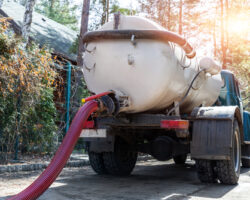 If you run septic, grease, portable sanitation, or industrial routes, the vacuum truck is the machine your whole operation is built around. This guide explains what a vac truck is, how the vacuum system works, the main types, and how to choose one, so you can compare vacuum trucks for sale knowing exactly what your work needs.
What Is a Vacuum Truck?
A vacuum truck is a truck with a mounted vacuum pump and a sealed tank. The pump pulls liquids, sludge, and slurry up through a hose and into the tank, where the load stays until the truck hauls it to a disposal or treatment site. One truck handles suction, storage, and transport.
You’ll also hear it called a vac truck, vacuum tanker, vacuum tank truck, vacuum pump truck, pumper truck, suction truck, or, informally, a “suck truck.”
Every vacuum truck is built around the same core parts: a vacuum pump, a storage tank, hoses and valves, and a chassis to carry it all. The next section explains how they work together.
How Does a Vacuum Truck Work?
A vacuum truck works on a pressure difference. The pump lowers the pressure inside the tank, and normal air pressure outside does the pushing. Here’s a typical load cycle:
- Power: The truck’s PTO (power take-off) or a separate engine drives the vacuum pump.
- Vacuum: The pump pulls air out of the sealed tank, creating negative pressure inside it.
- Suction: The operator opens the valve, and atmospheric pressure pushes waste up the hose and into the tank.
- Protection: A primary shutoff and a secondary shutoff (moisture trap) stop liquid from reaching the pump as the tank fills.
- Haul: The operator closes the valves and drives the load to an approved disposal or treatment site.
- Offload: The tank empties by gravity through the rear valve, or by pressure when the pump is reversed to push the load out.
Main Components
- Vacuum pump: Creates the vacuum that fills the tank, and on many builds pressurizes it to offload.
- Tank: The sealed vessel that holds the load, usually built from steel or aluminum.
- Hoses and valves: The intake hose, valves, and plumbing that control flow in and out of the tank.
- Shutoffs and relief valves: Primary and secondary shutoffs keep liquid out of the pump; relief valves release excess pressure or vacuum.
- Sight glass or level gauge: Shows the operator how full the tank is.
- Chassis: The truck that carries the system; its weight rating limits how large a tank it can carry.
Vacuum Pump Types
The pump decides how fast a truck loads and what material it can move. There are three main types:
- Rotary vane pumps: The common choice for septic, grease, and portable restroom work, where loads are mostly liquid and sludge.
- Positive displacement blowers: Move more air (higher CFM), which suits industrial cleanup and drier material.
- Liquid ring pumps: Built for continuous duty, where the pump runs for long periods without a break.
Uses of Vacuum Trucks
- Septic and waste management: Pumping septic tanks and hauling sewage, septage, grease, and other liquid waste from homes, businesses, and industrial sites.
- Municipal work: Cleaning storm drains, catch basins, and sewer lines.
- Construction: Dewatering excavations and clearing mud, slurry, and debris from job sites.
- Industrial maintenance: Removing sludge, liquids, and debris from tanks, pits, and pipelines.
- Oil and gas: Handling drilling mud, spills, and waste fluids around drilling operations.
- Spill response: Recovering spilled liquids and contaminated material during environmental and industrial cleanup.
Types of Vacuum Trucks
Most vacuum trucks share the same basic system; what changes is the tank size, plumbing, and layout for the material and the route. Here are the main types and where to see each KeeVac build:
| Type | What it handles | Typical tank size | KeeVac page |
|---|---|---|---|
| Septic vacuum trucks | Residential and commercial septic pumping | Several thousand gallons | Septic vacuum trucks |
| Grease trap trucks | Thick grease waste from restaurant and commercial kitchen traps | 1,500 to 5,000 gallons | Grease trap trucks |
| Portable restroom trucks | Pumping and washing down portable toilets on daily routes | 999 to 2,000 gallon waste tanks | Portable restroom trucks |
| Pickup and delivery trucks | Moving portable restroom units and servicing them on route | 800 gallons in 3 compartments (500 waste; 300 fresh water) | Pickup and delivery trucks |
| Slide-in vacuum units | Septic, portable sanitation and liquid waste work from a full-size pickup | 300 to 1,500 gallons | Slide-in vacuum units |
| Custom vacuum trucks | Industrial, municipal and mixed-load builds | Sized to the job | Custom vacuum trucks |
Vacuum trucks also split by what they can pick up. A liquid vacuum truck is built for wastewater, septage, and other fluids, while a wet/dry truck also handles solids and debris. As a rule of thumb, septic trucks suit septic service companies and rural routes; slide-ins suit startups, smaller operators and tight-access jobs; and custom builds suit plant maintenance, municipal crews and heavy cleanups.
Hydro excavation (hydrovac) trucks and combination or jet vac trucks are a different class of truck. They pair a high-pressure water jet with the vacuum to dig soil, expose buried utilities, and clean sewer lines, rather than to haul liquid waste.
For a closer look at the septic side, see How A Septic Truck Works.
How to Choose the Right Vacuum Truck
Match the truck to the work you do most often, not the occasional job. Five factors decide most builds:
- Material: Liquid, sludge, grease, and mixed loads each call for a different pump and plumbing setup.
- Tank size: Weigh your route volume against how many disposal trips you want to make each day.
- Pump airflow: CFM and the length of hose you usually run decide how fast the truck loads.
- Chassis and licensing: The chassis GVWR limits tank size, and a CDL is generally needed at 26,001 lb GVWR or more; state rules vary.
- Budget: Compare new and used options, and look at financing options to spread the cost.
For a deeper walkthrough, read our full guide to choosing a vacuum truck, or see how to spec a custom vacuum truck if you’re planning a build from scratch.
Benefits of Vacuum Trucks
- Speed: A vacuum truck clears a tank or site far faster than manual cleanup, which cuts labor time on every job.
- Versatility: With the right pump and tank, one truck handles liquids, sludge and slurry across many job types.
- Contained waste: A sealed system keeps waste enclosed from pickup to disposal, reducing the risk of spills and odors.
- Worker safety: Crews move waste through a hose instead of by hand, which limits direct contact.
For a service business, owning the truck usually makes sense: one vacuum truck replaces several machines plus manual labor by handling suction, storage, and transport in one pass. That’s why operators tend to add trucks as their routes and customer base grow.
Vacuum Truck FAQs
What is a vac truck?
A vac truck is a vacuum truck: a truck carrying a vacuum pump and a sealed tank. The pump draws liquid waste, sludge, and slurry through a hose into the tank, and the truck then hauls the load to a disposal site.
How does a vacuum truck work?
A pump driven by the truck’s PTO or engine pulls air out of a sealed tank. When the operator opens the valve, outside air pressure pushes waste up the hose into the tank. The truck hauls the load, then empties it by gravity or pressure.
What are vacuum trucks used for?
Vacuum trucks pump and haul septic waste, grease trap waste and portable restroom waste. They also clean storm drains, catch basins and sewer lines, dewater construction sites, clear sludge from industrial tanks, and support spill response and oil and gas work.
How much does a vacuum truck hold?
Capacity depends on the build. Slide-in units for pickup trucks hold 300 to 1,500 gallons, while full-size septic and grease trucks carry several thousand gallons; KeeVac grease packages, for example, range from 1,500 to 5,000 gallons.
What is a hydrovac truck?
A hydrovac truck pairs a high-pressure water jet with a vacuum system. The water breaks up the soil, and the vacuum removes it, so crews can dig and expose buried utilities without mechanical digging. It’s a different truck from a liquid waste vacuum truck.
Find the Right Vacuum Truck for Your Work
The right vacuum truck comes down to the material you pump, the volume on your routes, and how you want to run your fleet. KeeVac builds septic, grease, portable restroom, pickup and delivery, and custom vacuum trucks, plus slide-in units for full-size pickups. See what’s ready now, or request a custom build quote.