How to Spec a Custom Vacuum Truck for Your Operation
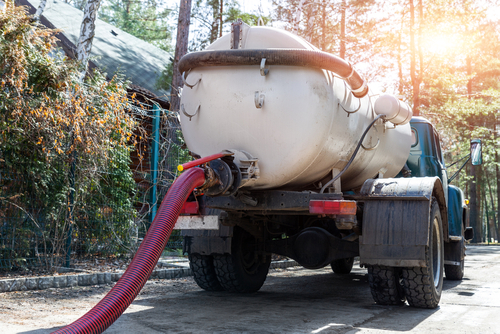
When you are learning how to spec a custom vacuum truck, the goal is not simply to pick a tank, pump, and chassis from a list. The goal is to build a work-ready truck that fits your routes, materials, crew, service area, budget, and long-term growth plans. A properly specified vacuum truck can help your operation work faster, reduce downtime, improve safety, and serve more customers with confidence. A poorly matched truck can create bottlenecks, payload problems, maintenance headaches, and expensive retrofits that could have been avoided with better planning.
For contractors, septic service providers, municipalities, industrial cleaning teams, and rental fleets, a custom vacuum truck is a major investment. The right build should support the work you do today while leaving room for the jobs you want to win tomorrow. That means thinking through tank capacity, pump performance, chassis selection, hose storage, valve placement, payload, maneuverability, operator ergonomics, service access, and future expansion before the truck ever goes into production.
Below, we walk through the key decisions buyers should make when specifying a custom vacuum truck, including how to avoid common mistakes and how to choose a configuration that matches both your daily operation and your growth strategy.
How to Spec a Custom Vacuum Truck
A custom vacuum truck should start with your application, not the equipment list. Before selecting parts and options, define exactly how the truck will be used. A septic hauler, grease trap service provider, portable restroom operator, municipal maintenance crew, and industrial cleaning contractor may all need vacuum power, but their daily requirements can be very different.
Start by answering practical questions about your operation:
- What materials will the truck collect?
- How far are your typical routes?
- How often will the truck need to dump?
- Will you work in tight residential areas, rural routes, commercial properties, or industrial sites?
- How many operators will use the truck?
- What disposal facilities will you use?
- Do you need room for future equipment additions?
- Will the truck be used seasonally or year-round?
- Are there weight restrictions, licensing considerations, or local requirements to plan around?
These questions help determine the right tank size, pump type, chassis class, axle configuration, storage layout, and safety features. They also help your upfitter recommend a build that avoids overbuying in one area and underbuilding in another.
A good specification process should include a clear review of your current workload and future goals. For example, if you currently serve mostly residential septic customers but plan to expand into commercial grease trap service, your truck may need additional compartments, washdown options, or hose storage. If you are adding a vacuum truck to an existing fleet, you may want to match certain components for easier maintenance and parts stocking. If this is your first truck, you may need a more versatile configuration that can handle a broad mix of jobs.
How to spec a custom vacuum truck correctly
To spec a vacuum truck correctly, work backward from the jobsite. Think about what the operator needs to accomplish during a typical service call, then build the truck around that workflow.
Consider the complete cycle:
- Drive to the customer location.
- Position the truck safely.
- Deploy hoses and tools.
- Manage liquid, or mixed waste safely.
- Transport the load legally and comfortably.
- Dump, clean, and return to service.
- Maintain the truck between jobs.
Each step affects the specification. A truck that performs well at the pickup point but is overweight on the road is not properly spec’d. A truck with a large tank but inadequate pump performance may slow down service. A truck with a powerful pump but poor hose storage can frustrate operators every day. The best builds balance capacity, performance, safety, serviceability, and operator convenience.
The most important principle is simple: every feature should support the way your crew actually works. When you can explain your routes, job types, crew habits, and pain points to your upfitter, they can help you design a more productive truck.
Key Decisions That Impact Performance
Performance is not determined by one component. It comes from how the entire system works together. Tank size, pump selection, chassis choice, plumbing layout, hose setup, valves, controls, and weight distribution all play a role.
Tank size, pump selection, and chassis choice
Tank size is one of the first decisions buyers focus on, but bigger is not always better. A larger tank can reduce dump trips and improve productivity on long routes, but it also adds weight and may require a heavier chassis. A smaller tank can improve maneuverability and keep operating costs lower, but it may limit daily capacity.
When choosing tank size, consider:
- Average gallons collected per stop
- Number of stops per route
- Distance to disposal sites
- Local road and bridge weight limits
- Desired payload capacity
- Chassis availability
- Operator licensing requirements
- Future service expansion
Pump selection is equally important. The pump must match the material, hose length, lift requirements, and expected duty cycle. A septic truck running predictable residential routes may not need the same pump setup as an industrial truck handling heavier materials or longer pulls. The right pump should deliver reliable vacuum performance without creating unnecessary complexity or maintenance cost.
When reviewing pump options, ask about:
- Vacuum level and airflow
- Typical loading speed
- Compatibility with your materials
- Maintenance requirements
- Noise considerations
- Cooling and protection features
- Parts availability
- Operator training requirements
Chassis choice ties everything together. The chassis must support the loaded truck, provide enough power for the route, match your turning and access needs, and allow the upfitter to mount the tank and equipment correctly. KeeVac Industries uses new and used chassis supplied by licensed dealers, including Ford, Chevrolet, Ram, International®, Peterbilt, Freightliner, Mack, Isuzu, and Kenworth. That variety gives buyers flexibility to match the build to budget, application, availability, and brand preference.
A lighter-duty chassis may be ideal for smaller tanks, slide-in pumper units, or tight urban routes. A medium-duty or heavy-duty chassis may be better for larger tanks, longer routes, and high-volume operations. The best choice depends on what you need the truck to do every day, not just the badge on the grille.
Other performance-related decisions include:
- Hose length and diameter
- Hose tray or storage layout
- Rear, side, or curbside controls
- Tank material and configuration
- Valve size and placement
- Washdown systems
- Toolboxes and accessory storage
- Lighting for early morning or evening work
- Safety rails, steps, and access points
- Backup cameras and visibility aids
These details may seem small compared to tank and pump selection, but they can make a major difference in daily productivity.
Planning for future expansion
A custom vacuum truck should be built for today’s workload, but smart buyers also think about where the business is headed. If you plan to add services, expand routes, hire more operators, or move into larger commercial accounts, your truck specification should support that growth.
Future-focused planning may include:
- Choosing a chassis with enough capacity for added equipment
- Leaving room for additional storage
- Selecting a tank configuration that supports multiple service types
- Adding plumbing options that make future upgrades easier
- Standardizing pumps, valves, or controls across your fleet
- Considering resale value and brand familiarity
- Building in operator-friendly features that help with training and retention
For example, a septic service company may start with residential pumping but later add portable restroom service, grease trap cleaning, or light commercial work. A slide-in pumper unit may be the right entry point for a smaller operator that wants a flexible, lower-footprint solution. KeeVac Industries specializes in aluminum slide-in pumper units designed to fit into the full-size bed of almost any pick-up truck, making them a practical option for businesses that need pumping capability without immediately moving into a larger dedicated vacuum truck.
Planning ahead does not mean buying more truck than you need. It means identifying the options that protect your investment and reduce the chance of outgrowing the build too quickly.
Avoiding Costly Specification Mistakes
The most expensive vacuum truck mistakes often happen before the build begins. A rushed specification can lead to payload issues, poor performance, awkward layouts, premature wear, or a truck that simply does not fit the work.
One common mistake is focusing only on tank capacity. Capacity matters, but it must be matched to the chassis and route. A large tank on the wrong chassis can create legal weight problems, poor handling, or excess wear. On the other hand, a tank that is too small may force extra dump trips that reduce profitability.
Another mistake is underestimating pump requirements. If the pump is not well matched to the job, operators may spend too much time loading, struggle with difficult pulls, or face more maintenance than expected. The right pump should be selected based on real job conditions, not just a general rating.
Buyers also sometimes overlook layout and ergonomics. Operators interact with hoses, valves, controls, storage compartments, and ladders all day. If these components are hard to reach or poorly positioned, the truck can slow down work and increase frustration. A customer service-oriented upfitter will ask how your crew prefers to work and will help lay out the truck accordingly.
Additional mistakes to avoid include:
- Failing to confirm product density and payload requirements
- Choosing a chassis without enough reserve capacity
- Ignoring turning radius and route access
- Not planning for disposal site requirements
- Forgetting about service and maintenance access
- Underbuilding hose and tool storage
- Overcomplicating the truck with features the crew will not use
- Choosing the cheapest option without considering lifecycle cost
- Failing to discuss future service expansion
- Not involving operators in the specification process
A better approach is to treat the specification process as a consultation. Share your current challenges, route details, service mix, budget, and growth plans. The more your upfitter understands your operation, the better they can recommend a truck that supports profitability.
Custom does not have to mean complicated. It means the build is intentionally matched to your work. Whether you need a septic pump truck, a vacuum tank, a slide-in pumper unit, or a purpose-built truck on a new or used chassis, the right specification helps you get dependable performance from day one.
FAQ
What is the first step in specifying a custom vacuum truck?
The first step is defining the truck’s daily application. Identify the materials you will collect, the number of stops per route, disposal distance, access conditions, crew needs, and future services you may add.
How do I choose the right tank size?
Choose tank size based on route volume, disposal frequency, legal payload, chassis capacity, and maneuverability. Bigger tanks can improve productivity, but only when the chassis and route conditions support the added weight.
What pump should I choose for a vacuum truck?
The best pump depends on material type, hose length, lift requirements, loading speed, duty cycle, and maintenance preferences. Your upfitter can help match pump performance to your actual work conditions.
Should I buy a new or used chassis?
Both can be good choices. A new chassis may offer the latest features and warranty benefits, while a used chassis can help manage budget. KeeVac Industries uses primarily new chassis, but is happy to mount on customer supplied used chassis.
What chassis brands can be used for a custom vacuum truck?
KeeVac Industries works with chassis supplied by licensed dealers, including Ford, Chevrolet, Ram, International®, Peterbilt, Freightliner, Mack, Isuzu, and Kenworth.
What is a slide-in pumper unit?
A slide-in pumper unit is a compact pumping system designed to fit into the bed of a pick-up truck. KeeVac Industries specializes in aluminum slide-in pumper units that fit into the full-size bed of almost any pick-up truck.
How can I avoid overbuilding or underbuilding my vacuum truck?
Work with an experienced upfitter and provide detailed information about your routes, materials, disposal needs, crew workflow, and future growth plans. A balanced specification helps you avoid unnecessary cost while protecting performance.
Can a vacuum truck be built for future expansion?
Yes. Future expansion can be planned through chassis capacity, storage layout, plumbing options, tank configuration, and component standardization. Discuss your growth plans early in the specification process.
Build the Right Vacuum Truck with KeeVac Industries
A custom vacuum truck is more than a piece of equipment. It is a daily revenue tool, a crew workstation, and a long-term business investment. When it is specified correctly, it helps your team work efficiently, serve customers better, and take on the next stage of growth with confidence.
KeeVac Industries is a Denver-based vacuum truck upfitter that helps buyers design practical, dependable builds for real-world operations. We use new and used chassis from licensed dealers, including Ford, Chevrolet, Ram, International®, Peterbilt, Freightliner, Mack, Isuzu, and Kenworth, and we offer a variety of septic pump trucks and vacuum tanks for sale to fit your specific needs. We also specialize in aluminum slide-in pumper units that fit into the full-size bed of almost any pick-up truck.
Ready to spec a custom vacuum truck that fits your operation today and supports where you are headed next? Contact us to discuss your application, compare build options, and get expert guidance from a team that understands vacuum truck performance from the ground up.