How Much Does a Slide-In Vacuum Unit Cost?
If you are researching slide-in vacuum unit cost, you are probably weighing one big question: Is a slide-in pumper unit the right investment for your septic, grease, portable restroom, or light vacuum service business? For many operators, the answer is yes, especially when they need a flexible, efficient, lower-barrier alternative to a full vacuum truck. A slide-in vacuum unit can turn a full-size pickup into a working pumper setup, giving you a practical way to expand services, support overflow work, or enter the vacuum service industry without immediately purchasing a dedicated truck build.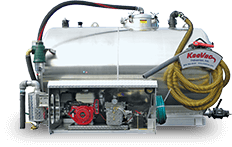
That said, pricing can vary widely. The cost of a slide-in vacuum unit depends on tank size, tank material, vacuum pump capacity, plumbing, valves, hose storage, controls, customization, installation, chassis compatibility, and whether you are purchasing a basic unit or a more specialized system. Because these units are built for real fieldwork, the cheapest option is not always the best value. The smarter question is not just “How much does it cost?” but “What am I getting for the money, and will it perform reliably for the jobs I plan to take?”
Below, we will break down the major cost factors, what affects the final price, why aluminum slide-in units are popular, and how to think about long-term value when comparing options.
What Is a Slide-In Vacuum Unit?
A slide-in vacuum unit is a compact pumper system designed to fit into the bed of a full-size pickup truck. Instead of purchasing a complete vacuum truck, the operator can use a properly equipped pickup as the platform for a vacuum tank, pump, plumbing, hose, and related components.
These systems are commonly used for smaller-volume pumping jobs and specialty applications such as:
- Septic service support
- Portable restroom service
- Grease trap pumping
- RV waste removal
- Marine waste pumping
- Emergency or overflow pumping
- Farm, ranch, and rural wastewater applications
- Tight-access jobs where a larger vacuum truck may be difficult to maneuver
One of the biggest advantages of a slide-in pumper unit is flexibility. A business can use a pickup truck platform, keep operating costs manageable, and still perform revenue-generating pumping work. For startups, it can provide a practical entry point. For established businesses, it can add a versatile unit to the fleet without requiring the same space, cost, or operating commitment as a larger vacuum truck.
So, How Much Does a Slide-In Vacuum Unit Cost?
There is no single fixed price for every slide-in vacuum unit because the final cost depends on the specifications of the build. A smaller, simpler unit will generally cost less than a larger, more heavily customized pumper system. Features such as aluminum construction, upgraded pumps, custom plumbing, hose trays, valves, controls, coatings, and installation can all influence the final investment.
In general, buyers should expect the cost to reflect the following:
- The tank size and capacity
- The tank material
- The vacuum pump type and performance rating
- The quality of valves, fittings, and plumbing
- Frame and mounting requirements
- Hose capacity and storage layout
- Safety features and operator controls
- Custom fabrication
- Installation and testing
- Delivery or pickup logistics
A slide-in vacuum unit is not just a tank in a truck bed. It is a working system that must be designed to handle waste, vacuum pressure, transport conditions, operator use, and day-to-day jobsite demands. That is why the best way to get accurate pricing is to speak with an experienced vacuum truck upfitter who can match the unit to your truck, your services, and your growth plans.
Why Prices Vary So Much
Two slide-in pumper units can look similar from a distance but perform very differently in the field. The components inside the build, the fabrication quality, and the layout all make a difference.
For example, a basic unit designed for occasional light-duty work will not cost the same as a unit built for frequent commercial pumping. A system designed for a pickup that already has the correct payload capacity and bed configuration may also differ in cost from one that requires additional adjustments or custom fitting.
Price can also change based on the type of work you plan to perform. Pumping portable restrooms, servicing small septic tanks, cleaning grease traps, and handling rural wastewater jobs may each require different tank capacities, hose setups, pump performance, and cleanout features.
The more precisely your unit is matched to your business model, the more value you can get from the investment.
Key Factors That Affect Slide-In Vacuum Unit Cost
1. Tank Size and Capacity
Tank capacity is one of the most important cost drivers. Larger tanks usually require more material, stronger support structures, more careful weight management, and additional engineering considerations. A larger tank may allow you to complete more work between disposal trips, but it also adds weight and may require a heavier-duty pickup.
When choosing tank size, consider:
- Average job volume
- Distance to disposal sites
- Pickup payload capacity
- Local weight restrictions
- Type of waste being handled
- Frequency of daily pumping jobs
A tank that is too small may limit productivity. A tank that is too large for the truck can create safety, handling, and compliance concerns. The best tank size is the one that balances capacity, truck capability, and job requirements.
2. Tank Material
Tank material plays a major role in cost, durability, and long-term performance. KeeVac Industries specializes in aluminum slide-in pumper units, which are popular because aluminum offers a strong combination of durability and lighter weight.
Aluminum can be especially useful in pickup-based pumper systems because weight matters. The lighter the tank system, the more practical payload capacity you may preserve for liquid waste, depending on the truck and configuration. Aluminum also resists corrosion better than many traditional materials, which can help support long service life when the unit is properly maintained.
While aluminum may cost more upfront than some lower-grade alternatives, many buyers see value in the weight savings, appearance, corrosion resistance, and professional-grade build quality.
3. Vacuum Pump Performance
The vacuum pump is the heart of the unit. Pump size, brand, performance rating, and configuration can significantly affect price. A stronger or higher-capacity pump can improve efficiency, reduce pumping time, and support more demanding jobs.
When comparing pump options, pay attention to:
- Airflow performance
- Vacuum rating
- Reliability
- Serviceability
- Parts availability
- Noise and heat considerations
- Compatibility with your intended applications
A lower-cost pump may be adequate for limited use, but commercial operators often benefit from choosing a pump designed for consistent field performance.
4. Plumbing, Valves, and Fittings
A slide-in pumper unit must move liquid and waste efficiently. Plumbing layout, valve quality, camlocks, fittings, cleanouts, and hose connection points all influence usability and cost.
Better plumbing design can make a unit easier to operate, easier to clean, and more efficient on the job. Poorly designed plumbing, on the other hand, can slow down work, create maintenance headaches, or increase the risk of clogs and leaks.
This is one area where workmanship matters. A well-planned system can save time every day.
5. Hose Storage and Accessories
Operators need a clean, safe, and efficient way to store and access hoses. Hose trays, racks, tubes, and accessory storage can add to the price, but they also improve organization and jobsite productivity.
Useful add-ons may include:
- Hose trays or hose tubes
- Toolboxes
- Washdown features
- Sight gauges
- Level indicators
- Remote controls
- Additional valves
- Custom operator controls
- Lighting
- Safety equipment
Accessories may seem small compared to the tank and pump, but they can make a major difference in how quickly and comfortably your team works.
6. Custom Fabrication
Many buyers need a slide-in vacuum unit that fits a specific truck, service type, or workflow. Custom fabrication can include special mounting, altered dimensions, unique hose storage, upgraded components, or layout changes.
Customization can increase upfront cost, but it may deliver better long-term value because the unit is built around the way you actually work. A custom-fit system can also help avoid the frustration of buying a generic unit that does not suit your truck or your market.
7. Installation and Setup
Installation is another important part of the total cost. A slide-in unit must be properly mounted and secured. The upfitter may also need to confirm truck fitment, weight distribution, bed compatibility, and operational safety.
Professional installation helps ensure the unit is not only functional but also practical for real-world use. This is especially important for businesses that rely on the equipment every day.
Is a Slide-In Vacuum Unit Cheaper Than a Full Vacuum Truck?
In many cases, a slide-in vacuum unit can be less expensive than purchasing a full dedicated vacuum truck. That is one reason these units are so attractive to small businesses, startups, municipalities, farms, and contractors.
A full vacuum truck typically includes a commercial chassis, a larger tank, heavy-duty vacuum equipment, custom bodywork, and additional fabrication. That kind of build is ideal for many operations, but it also requires a larger investment.
A slide-in unit may be a better fit when you want:
- A lower initial equipment investment
- A smaller, more maneuverable setup
- A unit that fits into a full-size pickup bed
- A practical option for light-duty or specialty pumping
- A way to test or expand services before investing in a larger truck
- A backup unit for overflow or emergency calls
However, a slide-in unit is not always a replacement for a full-size vacuum truck. If your business handles high-volume septic pumping all day, every day, a dedicated vacuum truck may be the better option. The right choice depends on your workload, budget, truck availability, disposal logistics, and growth goals.
New vs. Used Equipment: What Should You Consider?
Cost-conscious buyers often compare new and used options. Used equipment can reduce upfront investment, but it is important to inspect the condition carefully. Tanks, pumps, valves, hoses, frames, and plumbing can all experience wear over time.
When evaluating used equipment, ask about:
- Tank condition
- Pump hours and service history
- Previous application
- Corrosion or damage
- Valve and fitting condition
- Maintenance records
- Compatibility with your truck
- Availability of replacement parts
New equipment usually offers more confidence, cleaner customization, and the ability to specify the unit around your exact needs. Used equipment may still be a smart buy when sourced from a reputable provider and matched properly to the application.
KeeVac Industries works with new and used chassis supplied by licensed dealers for vacuum truck builds, including Ford, Chevrolet, Ram, International®, Peterbilt, Freightliner, Mack, Isuzu, and Kenworth. This flexibility allows customers to explore options that fit their budget, service needs, and preferred truck platform.
Why Pickup Compatibility Matters
Not every pickup is automatically ready for a slide-in vacuum unit. The truck must have the right bed size, payload capacity, suspension, braking capability, and overall configuration. Since vacuum tanks carry liquid waste, the weight adds up quickly.
Before buying, confirm:
- Full-size pickup bed compatibility
- Payload rating
- Gross vehicle weight rating
- Axle ratings
- Bed length
- Mounting requirements
- State and local regulations
- Intended loaded weight
A professional upfitter can help determine whether your truck is a good match. This step is critical because the wrong truck and tank combination can reduce safety, performance, and legal roadworthiness.
How to Think About Return on Investment
A slide-in vacuum unit is a business tool. The right unit can help generate revenue, reduce subcontracting, expand service territory, and improve response times.
To estimate ROI, think about:
- How many jobs you can complete per week
- Average revenue per job
- Disposal costs
- Fuel and maintenance costs
- Labor requirements
- Local demand for pumping services
- Whether the unit will serve as a primary or backup asset
- How quickly the equipment can pay for itself
For example, a contractor who adds small pumping services to an existing customer base may be able to create a new revenue stream without adding a full-size truck. A septic company may use a slide-in pumper unit for tight-access jobs, emergency calls, or smaller accounts that do not require a large tank truck.
The value is not only in the purchase price. It is in how well the unit helps you work, serve customers, and earn money.
Choosing the Right Slide-In Pumper Unit
The best slide-in pumper unit is not always the cheapest one. It is the one that fits your truck, your jobs, your market, and your expectations for durability.
Before requesting a quote, be ready to discuss:
- The truck you plan to use
- The type of waste you will pump
- Average job size
- Desired tank capacity
- Preferred pump performance
- Hose and storage needs
- Whether you need a new or used chassis
- Budget range
- Timeline
- Any custom features you want
The more information you provide, the more accurate your quote will be. It also helps the upfitter recommend a system that avoids overbuilding or underbuilding the unit.
Why Work With a Specialized Vacuum Truck Upfitter?
Vacuum equipment is specialized. It has to be designed for demanding environments, safe transport, reliable suction, efficient dumping, and repeated use. Working with an experienced upfitter helps you avoid common mistakes and gives you access to practical guidance.
A specialized upfitter can help with:
- Tank sizing
- Chassis selection
- Component matching
- Custom fabrication
- Installation
- Weight considerations
- Layout planning
- Serviceability
- Long-term fleet planning
KeeVac Industries is a Denver-based vacuum truck upfitter that builds solutions for real operators. We offer a variety of septic pump trucks and vacuum tanks for sale, along with slide-in pumper units built to fit the full-size bed of almost any pickup truck.
FAQ
How much does a slide-in vacuum unit cost?
The cost depends on tank size, material, pump selection, plumbing, accessories, customization, and installation. For accurate pricing, it is best to request a quote based on your truck and intended use.
Is a slide-in vacuum unit less expensive than a full vacuum truck?
Usually, yes. A slide-in unit often requires a lower upfront investment than a dedicated vacuum truck, especially if you already have a compatible full-size pickup.
What size pickup do I need for a slide-in pumper unit?
Most slide-in pumper units are designed for full-size pickup trucks. Your truck must have the proper bed size, payload capacity, and weight ratings for the unit and loaded tank.
Are aluminum slide-in pumper units worth it?
Yes, for many operators. Aluminum offers a strong balance of durability, corrosion resistance, and reduced weight, which is especially valuable in pickup-based vacuum systems.
Can I use a slide-in unit for septic pumping?
Yes, depending on the job size and tank capacity. Slide-in units are often used for smaller septic jobs, support work, tight-access service, and specialty pumping.
Can a slide-in vacuum unit be customized?
Yes. Units can often be customized with specific tank sizes, pump options, plumbing layouts, hose storage, valves, controls, and other features.
Do I need a new truck for a slide-in unit?
Not always. A compatible existing pickup may work, but it must be evaluated for fitment and payload. KeeVac Industries also uses new and used chassis supplied by licensed dealers for builds.
What brands of chassis can KeeVac work with?
KeeVac builds using new and used chassis from licensed dealers, including Ford, Chevrolet, Ram, International®, Peterbilt, Freightliner, Mack, Isuzu, and Kenworth.
Is a slide-in pumper unit good for a startup business?
It can be an excellent option for startups because it may reduce the initial investment compared to a full vacuum truck while still allowing the business to provide pumping services.
How do I get an accurate quote?
The best way is to contact KeeVac Industries with details about your truck, intended application, tank size needs, pump requirements, and any customization preferences.
Ready to Price Your Slide-In Vacuum Unit?
If you are comparing options and trying to understand the true slide-in vacuum unit cost for your business, we can help you find the right fit. As a Denver-based vacuum truck upfitter, we build dependable vacuum solutions for operators who need practical equipment, responsive service, and professional guidance from start to finish.
Whether you need a slide-in pumper unit for a full-size pickup, a septic pump truck, a vacuum tank, or a custom build using a new or used chassis supplied by a licensed dealer, we are ready to help you move forward with confidence. Contact us today to discuss your needs, compare build options, and request a quote for a vacuum solution built around the way you work.