Chase Augenstein leads content and marketing for KeeVac Industries, a Denver-based builder of septic trucks, grease trucks, portable restroom trucks, and slide-in pumper units. He covers the practical side of vacuum truck ownership, from choosing the right tank and pump setup to keeping equipment running reliably on the road, drawing on KeeVac's hands-on experience building trucks for real-world service work.
For businesses that rely on vacuum trucks to manage waste, septic services, or industrial cleaning, upgrading to a next-generation vacuum truck can significantly improve operations. With advancements in design, performance, and safety, these modern machines offer substantial benefits that positively impact both productivity and your bottom line. If you’re considering a vacuum truck upgrade, understanding the advantages can help you make an informed decision.
The Evolution of Vacuum Truck Technology
Over the years, vacuum truck technology has seen remarkable improvements. Traditional models were reliable but often inefficient in fuel consumption, waste management, and operational speed. Next-generation vacuum trucks leverage cutting-edge engineering to streamline processes and improve overall performance.
Comparing Legacy vs. Next-Generation Models
Legacy vacuum trucks often require more manual effort and lack the technological advancements that boost productivity. For example:
Older models tend to have slower suction power, meaning operators spend more time on each job.
Next-generation models integrate more powerful pumps, automated controls, and improved filtration systems to complete jobs faster and more efficiently.
By upgrading to a modern vacuum truck, businesses can reduce labor costs, minimize maintenance issues, and complete more jobs in less time.
Cost Efficiency and Long-Term Savings
Upgrading to a next-generation vacuum truck can seem like a significant investment, but the long-term financial benefits outweigh the initial cost. These savings manifest in several key areas:
Fuel Efficiency: Modern trucks are designed with improved engine performance and optimized power consumption, reducing overall fuel costs.
Maintenance Costs: Advanced models use higher-quality parts and efficient designs that require less frequent maintenance.
Productivity Gains: Faster performance means operators complete more jobs in a day, driving revenue growth.
Return on Investment Analysis
Businesses that invest in a next-generation vacuum truck often see a strong return on investment within just a few years. Reduced downtime, lower repair expenses, and increased operational efficiency quickly offset the initial purchase cost. With features like real-time monitoring and automated systems, businesses can also detect issues early and avoid costly repairs.
Enhanced Safety and Operational Performance
Modern vacuum trucks incorporate innovative features that prioritize operator safety and improve job site performance. This added safety reduces the risk of accidents, minimizes workplace injuries, and enhances efficiency in hazardous environments.
Technology Innovations Driving the Upgrade
Next-generation vacuum trucks are equipped with advanced technology designed to boost safety and performance:
Automated Controls: Modern systems allow operators to manage suction power, waste disposal, and tank cleaning with minimal effort. Automation ensures precise control, reducing operator fatigue and improving accuracy.
Enhanced Filtration Systems: Advanced filtration improves air quality around the vacuum truck, making it safer for employees working on or near the equipment.
Backup Cameras and Sensors: Next-generation vacuum trucks are commonly fitted with improved visibility aids, which reduce blind spots and improve maneuverability in tight job sites.
Remote Monitoring Systems: GPS tracking, diagnostics, and maintenance alerts allow fleet managers to stay informed about truck performance and address issues before they escalate.
Improving Environmental Impact
In addition to boosting safety and efficiency, next-generation vacuum trucks are also designed with environmental concerns in mind. Enhanced filtration systems, improved waste containment, and energy-efficient components reduce harmful emissions and minimize each job’s environmental footprint.
Choosing the Right Vacuum Truck for Your Business
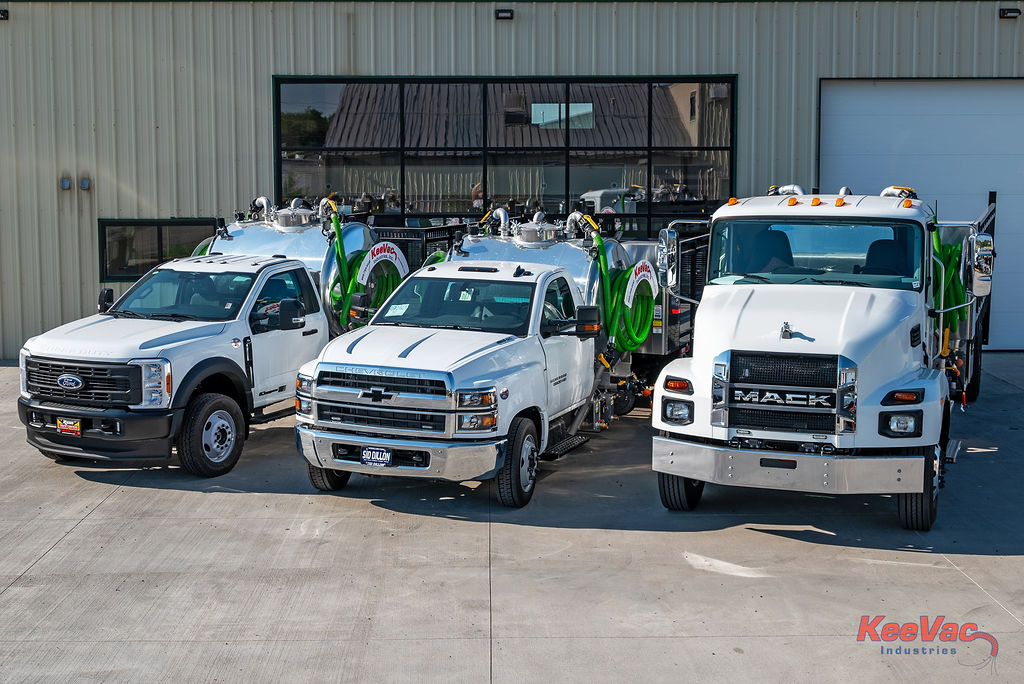
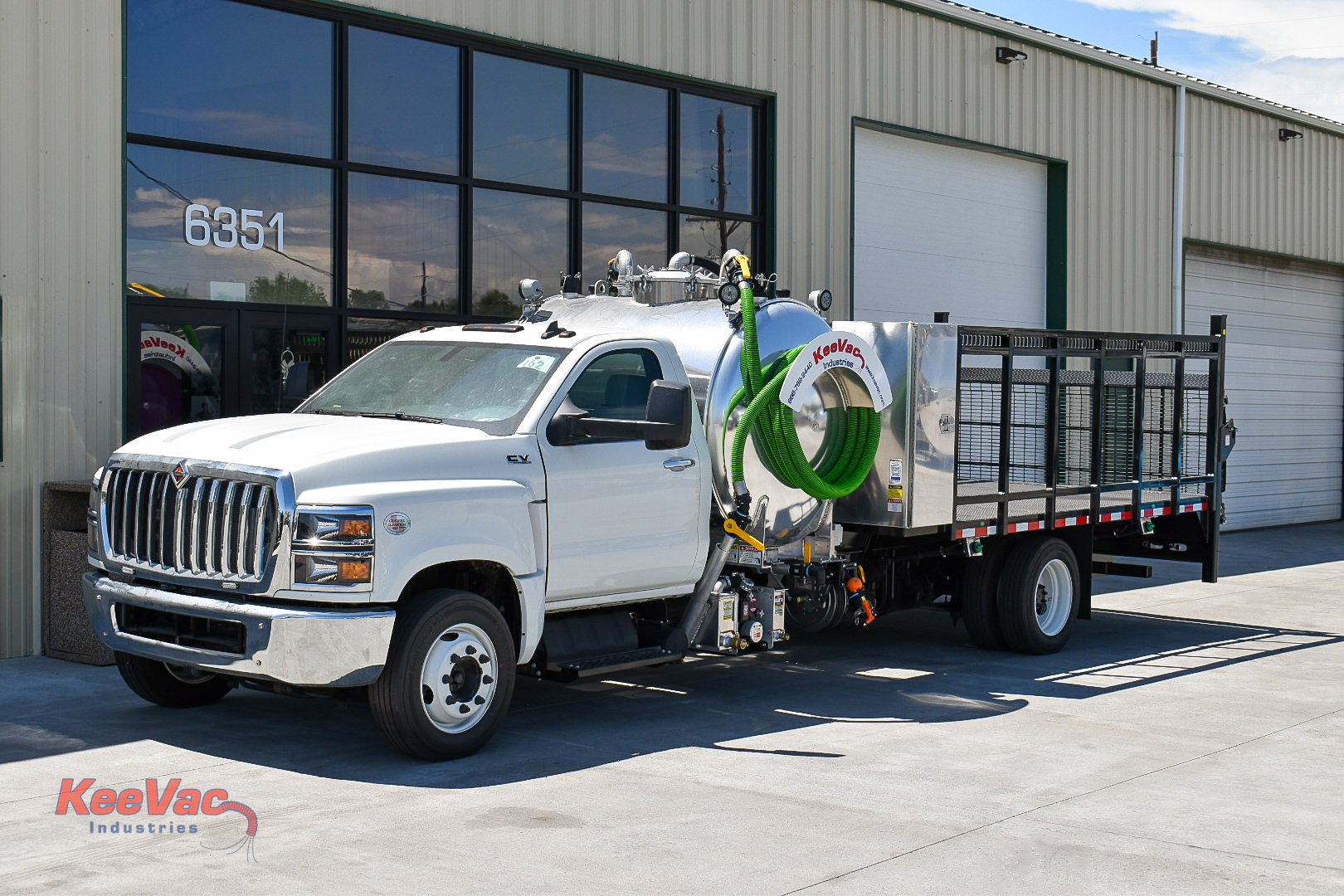
If you’re considering a vacuum truck upgrade, KeeVac Industries can help you find the perfect solution for your business. As a trusted Denver-based vacuum truck upfitter, KeeVac Industries builds vacuum trucks using new and used chassis from leading brands such as Ford, Chevrolet, Ram, International®, Peterbilt, Freightliner, Mack, Isuzu, and Kenworth. Whether you’re looking for a septic pump truck, a vacuum tank for industrial use, or a slide-in pumper unit that fits into the bed of your pickup truck, KeeVac Industries offers solutions to fit your specific needs.
Contact Us Today
Investing in a next-generation vacuum truck can transform your operations by enhancing efficiency, reducing costs, and improving safety. By upgrading to a modern system, businesses can experience significant productivity gains while minimizing downtime and maintenance expenses.
If you’re ready to explore the benefits of a vacuum truck upgrade, contact us today. With expert guidance and a wide range of options available, we can help you select the best equipment to meet your business’s unique needs.
For businesses that rely on vacuum trucks, ensuring these critical assets are always operating efficiently is essential to maximizing return on investment (ROI). Preventative maintenance is the cornerstone of extending equipment lifespan, minimizing downtime, and avoiding costly repairs. By following a well-planned maintenance strategy, vacuum truck operators can achieve superior performance and significant cost savings.
The Importance of Preventative Maintenance
Vacuum trucks play a vital role in waste management, environmental cleanup, and industrial services. These high-performance machines are complex, with various systems that must function seamlessly. Without consistent upkeep, you risk sudden failures that can halt operations and lead to expensive emergency repairs.
Key Benefits of Preventative Maintenance:
Reduced Downtime: Regular maintenance helps detect and address small issues before they escalate into major problems.
Extended Equipment Lifespan: Proper care and timely part replacements can extend the longevity of your vacuum truck fleet.
Improved Safety: Malfunctioning equipment can create hazardous conditions. Maintenance ensures operators can perform their duties safely.
Enhanced Performance: Keeping components clean and lubricated ensures your vacuum trucks operate at peak efficiency.
Better Resale Value: A well-maintained fleet commands higher resale prices when it’s time to upgrade equipment.
Best Practices for Scheduling and Execution
Developing a comprehensive preventative maintenance program requires a strategic approach. Implementing these best practices can help streamline the process:
Create a Maintenance Schedule
Establishing a regular maintenance schedule ensures that essential tasks are never overlooked. Develop a calendar that outlines service intervals for each vacuum truck in your fleet. Recommended maintenance intervals can vary based on mileage, operating hours, and manufacturer guidelines.
Prioritize Inspections
Regular inspections help identify minor issues before they become costly repairs. Ensure operators are trained to conduct visual checks before and after each use. Encourage them to report fluid leaks, worn hoses, or any other visible concerns.
Follow Manufacturer Guidelines
Refer to the manufacturer’s maintenance manual for each vacuum truck. Adhering to recommended service intervals and parts specifications can prevent unnecessary wear and tear.
Maintain Detailed Records
Tracking maintenance history provides valuable insights into your fleet’s performance. Use digital fleet management tools to log service dates, repairs, and part replacements.
Train Operators
Operators are the first line of defense against mechanical failures. Provide ongoing training to help drivers identify warning signs, perform basic maintenance tasks, and ensure proper truck operation.
Common Maintenance Pitfalls and Solutions
Even with the best intentions, maintenance programs can fall short due to common pitfalls. Identifying and addressing these issues can significantly improve results:
Pitfall 1: Ignoring Early Warning Signs
Solution: Train operators to identify performance issues such as sluggish suction, overheating, or unusual noises. Acting on these signs can prevent costly breakdowns.
Pitfall 2: Inconsistent Maintenance Scheduling
Solution: Use automated reminders to ensure timely maintenance intervals. Fleet management software can simplify scheduling.
Pitfall 3: Failing to Stock Essential Parts
Solution: Keep commonly needed parts like filters, gaskets, and lubricants on hand to minimize downtime.
Pitfall 4: Neglecting Fluid Levels and Filtration Systems
Solution: Regularly inspect and replace engine oil, hydraulic fluids, and coolant as specified by the manufacturer.
Measuring ROI from Maintenance Investments
Investing in vacuum truck maintenance can seem like a significant upfront cost, but the long-term benefits far outweigh the expense. By measuring your ROI, you can clearly see the positive impact on your bottom line.
Key Metrics to Track:
Downtime Reduction: Calculate how much operational time you’ve saved through scheduled maintenance.
Repair Cost Savings: Compare the costs of emergency repairs to your preventative maintenance investments.
Fuel Efficiency: Well-maintained trucks often operate more efficiently, reducing fuel expenses.
Resale Value: Track how maintenance affects the resale prices of your vacuum trucks.
Tips from Industry Experts
Fleet managers who excel at vacuum truck maintenance often emphasize the following tips:
Document Everything: Maintain detailed service records for each truck to monitor trends and predict potential failures.
Incorporate Driver Feedback: Operators provide valuable insights into truck performance, so involve them in your maintenance strategy.
Standardize Procedures: Establish clear maintenance checklists to ensure consistency across your team.
Tools and Technologies for Fleet Management
Implementing technology can improve the accuracy and efficiency of your maintenance program. These tools can help streamline processes and improve ROI:
Fleet Management Software: Platforms like Fleetio, Verizon Connect, and Samsara offer automated maintenance tracking, scheduling, and record-keeping.
Telematics Systems: Real-time vehicle monitoring tools help identify performance issues early and reduce downtime.
Digital Checklists: Mobile apps enable operators to conduct standardized inspections and submit reports directly from the field.
Protect Your Investment with Reliable Maintenance
Investing in preventative vacuum truck maintenance is the key to maximizing ROI and keeping your fleet operating at peak performance. By developing a consistent maintenance schedule, avoiding common pitfalls, and leveraging modern fleet management tools, you can reduce costly downtime and extend the lifespan of your equipment.
At KeeVac Industries, we understand the importance of reliable vacuum truck performance. Whether you need a new septic pump truck, vacuum tank, or slide-in pumper unit, our Denver-based team is committed to delivering high-quality builds that meet your specific needs. Contact us today to discuss our wide selection of vacuum trucks and find the right solution for your business.
When disaster strikes, the immediate focus is on saving lives and stabilizing communities. However, once the storm subsides or the fire is extinguished, the real work begins: cleanup and recovery. Among the many essential tools and vehicles deployed during disaster response, vacuum trucks often go unnoticed despite their critical role in mitigating damage and restoring normalcy. These powerful machines are designed to handle a wide range of disaster-related challenges, from removing debris and extracting water to safely transporting hazardous materials.
Municipalities, emergency responders, and private organizations increasingly recognize the value of vacuum tankers in disaster preparedness and response. Whether addressing floods, hurricanes, oil spills, or industrial accidents, vacuum trucks offer unparalleled efficiency in environmental cleanup and hazardous waste management.
Key Functions of Vacuum Trucks in Disaster Response
Rapid Debris Removal and Cleanup
In the aftermath of natural disasters such as hurricanes, tornadoes, and earthquakes, debris accumulates quickly, obstructing roads and creating hazardous conditions. Vacuum trucks play a crucial role in the cleanup process by efficiently suctioning up loose debris, including dirt, sand, mud, and contaminated waste. This capability allows emergency response teams to clear affected areas faster, restoring accessibility for first responders and utility repair crews.
Unlike traditional cleanup methods, which often require manual labor and multiple types of machinery, vacuum trucks streamline the process by consolidating collection and transportation into one efficient operation. Their high-powered suction systems can remove large volumes of debris from streets, sewers, and drainage systems, reducing the risk of secondary flooding and contamination.
Water Extraction in Flooded Areas
Flooding is one of the most devastating and common natural disasters, leaving homes, businesses, and infrastructure submerged in water. Vacuum tankers are essential in flood response efforts, as they can quickly extract standing water from streets, basements, and underground facilities. This rapid removal of water minimizes structural damage, prevents mold growth, and accelerates the drying process, making buildings habitable sooner.
Municipalities and emergency management agencies often deploy vacuum trucks equipped with high-capacity pumps to remove water from flooded areas, ensuring that critical infrastructure such as hospitals, power stations, and transportation networks can resume operations as soon as possible.
Managing Hazardous Materials Effectively
Disasters frequently lead to the release of hazardous materials, including sewage, chemicals, and industrial waste. If not properly managed, these contaminants pose serious health and environmental risks. Vacuum trucks are specifically designed to contain and transport hazardous substances safely, preventing further damage to the affected area.
Containing and Transporting Pollutants
During industrial accidents, oil spills, or chemical leaks triggered by disasters, vacuum tankers are deployed to suction and store hazardous materials for safe disposal. Their specialized tanks prevent leaks and spills during transportation, ensuring that pollutants do not spread further into the environment.
Emergency response teams rely on vacuum trucks to handle biohazardous and toxic waste safely, minimizing exposure risks for both cleanup crews and the local population. The ability to quickly contain and transport hazardous substances is vital in preventing groundwater contamination and long-term environmental damage.
Environmental Remediation Post-Disaster
Once immediate hazards are addressed, the long-term process of environmental remediation begins. Vacuum trucks play a key role in restoring affected areas by removing sludge, oil residues, and chemical contaminants from waterways, soil, and industrial sites. These trucks support the efforts of environmental agencies and restoration teams by ensuring that pollutants are properly removed and disposed of according to regulatory standards.
For example, after an oil spill, vacuum trucks are instrumental in recovering oil from water surfaces and shorelines, preventing widespread ecological damage. Similarly, in cases of sewage system failures, they help clean and rehabilitate wastewater treatment plants, reducing the risk of disease outbreaks.
Supporting Community Recovery Efforts
Beyond immediate cleanup and hazardous waste management, vacuum trucks contribute to the broader process of rebuilding communities after a disaster. Their ability to restore essential infrastructure and enhance emergency response logistics makes them indispensable in recovery operations.
Restoring Infrastructure and Services
Public infrastructure, including sewer systems, drainage networks, and water treatment facilities, often sustains significant damage during disasters. Vacuum tankers are crucial in restoring these services by removing blockages, clearing out sediment buildup, and assisting in maintenance efforts.
For example, after a hurricane, vacuum trucks are used to clear storm drains and sewers clogged with debris, reducing the likelihood of post-disaster flooding. Similarly, in areas affected by wildfires, they help remove contaminated water and ash-laden debris, preventing further environmental degradation.
Enhancing Emergency Response Logistics
The logistical challenges of disaster response require efficient resource management, and vacuum trucks contribute significantly to this effort. Their ability to transport both liquid and solid waste materials ensures that emergency operations run smoothly without additional environmental risks.
In addition to cleanup duties, vacuum trucks also support temporary emergency facilities such as shelters, field hospitals, and relief centers by handling wastewater and sanitation needs. This service is essential in maintaining hygiene and preventing the spread of diseases in disaster-affected areas.
The Need for Investing in Vacuum Trucks for Emergency Preparedness
With the increasing frequency and intensity of natural disasters, municipalities and private organizations must invest in reliable emergency response equipment. Vacuum trucks have proven time and again that they are invaluable assets in disaster management, offering versatile solutions for debris removal, hazardous waste containment, and environmental restoration.
For organizations looking to enhance their emergency preparedness, partnering with a trusted vacuum truck provider is essential. Whether you need a new vacuum tanker or a customized slide-in pumper unit, having the right equipment on hand can make all the difference in disaster response.
Choose KeeVac Industries for Reliable Vacuum Truck Solutions
When it comes to high-quality vacuum trucks built for disaster response and emergency preparedness, KeeVac Industries is the name to trust. Based in Denver, KeeVac Industries is a leading vacuum truck upfitter, offering a wide range of new and used chassis, including Ford, Chevrolet, Ram, International®, Peterbilt, Freightliner, Mack, Isuzu, and Kenworth. Whether you need a fully customized vacuum tanker, a septic pump truck, or an aluminum slide-in pumper unit, KeeVac delivers top-tier solutions tailored to your specific needs.
Disaster preparedness starts with the right equipment. Contact us today to learn more about how our vacuum trucks can support your emergency response efforts. Explore our full lineup of vacuum truck solutions and take the first step in enhancing your disaster response capabilities.
When selecting the right chassis for a vacuum truck, fleet managers and business owners must weigh a variety of factors, including performance, durability, and maintenance accessibility. Among the leading options in the industry, Ford, Chevrolet, and Ram stand out as the most popular choices for vacuum truck builds. Each brand offers unique advantages, making the decision highly dependent on the specific needs of the business. This vacuum truck chassis comparison will help you navigate these options to find the best fit for your application.
Engine Performance and Fuel Efficiency
One of the most critical factors when selecting a vacuum truck chassis is the engine performance and fuel efficiency. Vacuum trucks operate under heavy loads, requiring a powerful engine that can sustain long hours of operation without excessive fuel consumption.
Comparing Horsepower and Torque Ratings
The engine’s horsepower and torque are crucial for vacuum truck applications, as they determine the vehicle’s ability to haul heavy loads and maintain consistent performance across varying terrain.
Ford: The Ford F-Series Super Duty models, such as the F-450 and F-550, come equipped with the Power Stroke 6.7L V8 Turbo Diesel, delivering up to 500 horsepower and 1,200 lb-ft of torque. This high torque output makes Ford an excellent option for vacuum trucks that require strong towing capabilities.
Chevrolet: Chevrolet’s Silverado 4500HD and 5500HD models feature the Duramax 6.6L Turbo-Diesel V8, providing 470 horsepower and 975 lb-ft of torque. While slightly lower in torque than Ford, the Duramax engine is known for its smooth power delivery and reliability.
Ram: Ram’s 4500 and 5500 chassis cabs offer the 6.7L Cummins Turbo Diesel, producing 370 horsepower and up to 1,075 lb-ft of torque. The Cummins engine is well-regarded for its longevity and fuel efficiency, making it a solid contender for long-term durability.
Fuel Economy Considerations for Vacuum Truck Operations
Fuel efficiency is a crucial consideration, as vacuum trucks often operate for extended periods. Their fuel consumption depends on various factors, including engine size, load weight, and terrain.
Ford: The Power Stroke engine is known for its balance between power and efficiency. With an advanced turbocharger system and high-pressure fuel injection, it offers decent fuel economy for a heavy-duty truck, though actual MPG will vary based on usage.
Chevrolet: The Duramax engine, paired with the Allison 10-speed automatic transmission, is engineered for optimal fuel efficiency under load. This combination allows Chevrolet vacuum trucks to maintain steady performance with moderate fuel consumption.
Ram: The Cummins engine in Ram trucks is one of the most fuel-efficient diesel options, often delivering better mileage under heavy loads than its competitors. Businesses prioritizing fuel savings may find Ram’s chassis a more cost-effective solution.
Durability and Payload Capacity
Vacuum trucks need to withstand extreme working conditions, which makes durability and payload capacity essential factors in chassis selection.
Frame Strength and Weight Distribution
A strong frame ensures that the chassis can handle heavy vacuum tanks and loads without excessive wear and tear.
Ford: The fully boxed high-strength steel frame in the Ford F-Series Super Duty provides excellent structural integrity, making it a robust choice for heavy-duty vacuum truck applications.
Chevrolet: The Silverado 4500HD and 5500HD chassis feature a reinforced steel frame designed to accommodate heavy payloads. Chevrolet also offers multiple wheelbase options, allowing for better weight distribution.
Ram: Ram 4500 and 5500 models utilize a 50,000-psi high-strength steel frame, which enhances durability while maintaining a lightweight design. This makes Ram an excellent option for businesses looking to maximize payload capacity.
Suspension Systems for Heavy-Duty Applications
Suspension plays a crucial role in ensuring a smooth ride and effective weight management for vacuum trucks.
Ford: Ford trucks’ multi-leaf spring rear suspension and optional air-ride suspension improve weight handling and ride comfort.
Chevrolet: Chevrolet’s fully adjustable suspension system provides enhanced shock absorption, making it a great option for uneven terrain.
Ram: Ram chassis cabs offer an optional air suspension system, which helps maintain ride stability when hauling heavy loads and reduces wear on components.
Maintenance and Service Accessibility
Ease of maintenance and the availability of parts can significantly impact the long-term cost of owning a vacuum truck chassis.
Ease of Routine Maintenance
Ford: Ford trucks have a user-friendly design, with easy access to engine components, making routine maintenance quicker and more cost-effective.
Chevrolet: Chevrolet’s Duramax engine is well-known for its long service intervals, requiring fewer frequent maintenance stops.
Ram: The Cummins diesel engine in Ram trucks is famous for its longevity and minimal maintenance requirements, making it a great option for businesses that want to reduce downtime.
Availability of Parts and Service Networks
Ford: Ford has an extensive service network across the U.S., ensuring that parts and service are readily available.
Chevrolet: The GM dealer network is widespread, and Chevrolet’s use of Allison transmissions means easy access to high-quality service technicians.
Ram: The Cummins-powered Ram chassis cabs benefit from strong aftermarket support, and Cummins service centers are widely available across the country.
Choosing the Right Chassis for Your Vacuum Truck
Each vacuum truck chassis option—Ford, Chevrolet, and Ram—has its strengths and considerations:
Choose Ford if you need high horsepower and torque, superior frame strength, and a well-supported dealer network.
Choose Chevrolet if you value smooth power delivery, excellent fuel efficiency, and a durable suspension system.
Choose Ram if you prioritize long-term durability, fuel savings, and a robust yet lightweight frame.
No matter which chassis you choose, selecting a reliable vacuum truck upfitter is just as important. At KeeVac Industries, we offer a variety of new and used vacuum truck chassis from Ford, Chevrolet, Ram, and other top manufacturers, ensuring you get the perfect fit for your specific application. Whether you need septic pump trucks, vacuum tanks, or aluminum slide-in pumper units, we’ve got you covered.
Ready to Build the Perfect Vacuum Truck?
Contact us today to explore our vacuum truck options and get expert advice on selecting the right chassis for your business!
Vacuum trucks, commonly referred to as septic trucks, are indispensable assets in municipal waste management. Their contributions extend far beyond simple waste collection; they play a pivotal role in maintaining public health, environmental sanitation, and the efficiency of urban infrastructure. By understanding the importance of these vehicles, municipalities and waste management professionals can make informed decisions to improve their waste management systems.
Core Functions of Septic Trucks in Waste Management
Septic trucks are engineered to perform a wide range of tasks, all of which are critical for managing waste effectively. From waste collection to its safe transportation and disposal, these vehicles streamline the waste management process and ensure regulatory compliance.
Waste Collection and Transportation
One of the primary roles of septic trucks is the efficient collection of liquid and semi-solid waste from residential, commercial, and industrial sources. Septic trucks are equipped with powerful vacuum pumps and tanks that allow them to extract waste from septic systems, grease traps, and other storage units with minimal spillage.
Once the waste is collected, these vehicles transport it to treatment facilities. Their design ensures the containment of harmful substances, preventing leaks or spills during transit. This capability is particularly important for municipalities that manage large-scale waste from densely populated areas.
Specialized Waste Handling Techniques
Modern septic trucks are equipped to handle various types of waste, including hazardous materials. With customizable tanks and attachments, they can safely manage chemical waste, sludge, and other challenging materials. Some septic trucks also feature dual-compartment tanks that separate liquid and solid waste, streamlining the disposal process and reducing trips to treatment facilities.
This adaptability is crucial for municipalities dealing with diverse waste streams. Specialized handling techniques ensure the safe collection and disposal of waste, adhering to environmental and safety regulations.
Environmental and Public Health Impact
The role of septic trucks in waste management extends beyond logistical convenience. They are critical to protecting the environment and public health by preventing contamination and ensuring the safe disposal of waste.
Preventing Contamination and Disease Spread
Untreated waste poses significant risks to both the environment and human health. By efficiently collecting and containing waste, septic trucks prevent harmful pathogens and chemicals from leaching into water sources or soil. This containment helps mitigate the spread of diseases such as cholera, dysentery, and hepatitis, which can result from exposure to contaminated water.
Municipalities that prioritize the use of septic trucks in their waste management systems create a safer environment for their residents. These vehicles ensure that waste is handled hygienically and transported to treatment facilities where it can be properly processed.
Sustainable Waste Disposal Practices
Septic trucks play a key role in sustainable waste management practices. Transporting waste to treatment facilities enables the recycling of resources such as water and nutrients. For example, treated wastewater can be reused for irrigation or industrial processes, reducing the demand for fresh water.
Advanced Technologies in Septic Truck Operations
The evolution of technology has significantly enhanced the efficiency and functionality of septic trucks. These advancements enable municipalities to optimize their waste management processes and achieve better outcomes.
GPS and Route Optimization Technologies
Another major advancement in septic truck operations is the integration of GPS and route optimization technologies. These tools enable drivers to plan the most efficient routes for waste collection and disposal, reducing fuel consumption and operational costs.
By optimizing routes, municipalities can increase the productivity of their waste management fleets and minimize their environmental footprint. Real-time tracking also ensures that septic trucks are deployed effectively, improving response times and service reliability.
Contact Us Today
Septic trucks are essential components of modern municipal waste management systems, offering unparalleled efficiency, safety, and environmental benefits. Municipalities and waste management professionals seeking reliable and advanced solutions should consider KeeVac Industries for their vacuum truck needs. Based in Denver, we specialize in outfitting new and used chassis—including Ford, Chevrolet, Ram, International®, Peterbilt, Freightliner, Mack, Isuzu, and Kenworth—to create septic pump trucks and vacuum tanks tailored to your specific requirements.
We also offer versatile slide-in pumper units, including aluminum models that fit into the full-size bed of almost any pickup truck. KeeVac Industries is your trusted partner for all septic truck needs, committed to quality craftsmanship and customer satisfaction.
Contact us today to explore our extensive range of vacuum trucks and discover how we can help you enhance your waste management operations.