How Do You Winterize a Portable Restroom Truck?
Operating a portable restroom truck in cold climates comes with a unique set of challenges. Freezing temperatures can shut down equipment, damage tanks and hoses, and cause costly downtime if proper precautions are not taken. That is why following a thorough portable restroom truck winterization guide is essential for businesses that want to stay productive, safe, and profitable throughout the winter months. Winterizing is not just about preventing frozen lines. It is about protecting your investment, maintaining service quality, and ensuring your drivers and technicians can work efficiently even when temperatures drop well below freezing. This guide walks through best practices for preparing portable restroom trucks for winter operation, from protecting water systems to maintaining engines and planning proper storage.
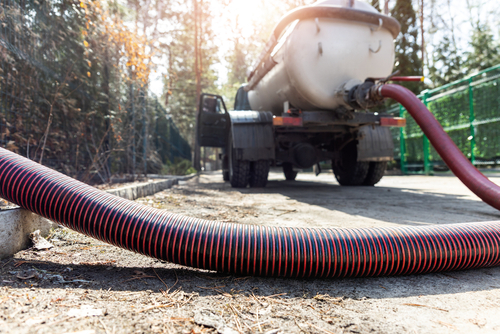
Portable Restroom Truck Winterization Guide
Winterization starts with a comprehensive approach that looks at every system on the truck. Portable restroom service trucks rely on water, vacuum pressure, pumps, valves, and hoses that are all vulnerable to freezing. Even a small amount of trapped water can expand when frozen and crack fittings or burst lines. A complete winterization process should be performed before the first hard freeze and revisited throughout the season as temperatures fluctuate.
A reliable winterization plan includes inspecting all components, draining unnecessary water, adding freeze protection where needed, and verifying that heating systems are functioning correctly. Operators should also train drivers and service technicians on cold-weather procedures so everyone understands how to operate the truck safely in winter conditions.
Key goals of winterization include:
- Preventing frozen and burst water lines
- Protecting tanks, pumps, and valves from ice damage
- Maintaining vacuum efficiency in cold temperatures
- Reducing unexpected downtime and emergency repairs
- Extending the overall lifespan of the truck and equipment
Taking a proactive approach saves time and money while keeping customers satisfied during peak winter service demands.
Protecting Water Lines and Tanks from Freezing
Water systems are the most vulnerable components on a portable restroom truck during winter. Freshwater tanks, washdown systems, hoses, and spray lines can all freeze quickly if not properly protected. Once frozen, water expands and can damage tanks, fittings, and pumps, leading to expensive repairs and lost service days.
The first step is to drain any water that is not essential for daily operations. If the truck will be used regularly, complete draining may not be practical, so additional protection methods are required. Insulating exposed water lines and tanks is a critical step. Insulation helps retain heat and reduces the likelihood of freezing during overnight storage or extended stops.
Additional protection measures include:
- Installing heat tape or electric heating pads on exposed water lines and tanks
- Using insulated tank blankets for freshwater and rinse tanks
- Routing plumbing lines away from exterior walls when possible
- Keeping access doors and compartments closed to retain heat
Operators should also pay attention to hose storage. Hoses left full of water and exposed to cold air can freeze solid in a matter of hours. Always drain hoses completely after use and store them in insulated compartments or heated areas when available.
Regular inspections during winter are just as important as initial preparation. Checking for ice buildup, slow flow, or unusual pump noises can help catch freezing issues early before they cause significant damage.
Maintenance Tips for Cold-Weather Operation
Winter operation places extra stress on every part of a portable restroom truck. Cold temperatures thicken fluids, reduce battery efficiency, and can make seals and gaskets brittle. Staying ahead of maintenance needs is essential for reliable performance throughout the season.
Daily pre-trip inspections become even more important in winter. Drivers should check fluid levels, look for leaks, verify that heaters and defrosters are working, and ensure that all safety systems are functional. Paying attention to small issues early can prevent major breakdowns later.
Useful cold-weather maintenance tips include:
- Switching to winter-grade hydraulic fluids and engine oil as recommended by the manufacturer
- Keeping fuel tanks as full as possible to reduce condensation
- Checking tire pressure frequently since cold air reduces pressure
- Lubricating moving parts more often to prevent stiffness and wear
- Cleaning road salt and debris from the truck regularly to prevent corrosion
It is also wise to schedule more frequent service intervals during the winter months. Cold weather can accelerate wear on components, especially pumps and seals that are exposed to freezing conditions and heavy use.
Using Antifreeze Safely in Service Tanks
Antifreeze is one of the most effective tools for protecting water systems from freezing, but it must be used correctly. Only non-toxic, environmentally safe antifreeze approved for wastewater and sanitation equipment should be used in portable restroom trucks. Automotive antifreeze should never be used in service tanks or plumbing systems.
Antifreeze is typically added to freshwater tanks, rinse systems, and sometimes vacuum pump traps to lower the freezing point of liquids. The correct ratio depends on expected temperatures, so it is important to follow manufacturer recommendations and local regulations.
Best practices for antifreeze use include:
- Using only RV or marine-grade non-toxic antifreeze
- Clearly labeling tanks that contain antifreeze mixtures
- Flushing systems thoroughly before returning to warm weather operation
- Storing antifreeze containers securely to prevent spills
- Training staff on proper handling and disposal procedures
Overusing antifreeze can create operational issues, while underusing it can leave systems vulnerable to freezing. Careful measurement and documentation help maintain consistency and compliance.
Battery and Engine Care During Winter
Cold weather is hard on batteries and engines. As temperatures drop, battery capacity decreases, making it harder to start the truck and power auxiliary systems. Engines also take longer to warm up, increasing wear if not properly maintained.
Battery maintenance should be a top priority during winterization. Batteries should be load tested before winter begins and replaced if they show signs of weakness. Clean terminals and secure connections ensure maximum power delivery when starting in cold conditions.
Engine care tips for winter include:
- Using block heaters to warm the engine before starting
- Allowing adequate warm-up time before heavy operation
- Checking coolant strength and freeze protection levels
- Inspecting belts and hoses for cracks or stiffness
- Keeping spare batteries or jump-start equipment available
Vacuum pump engines or auxiliary power units also need attention. Ensuring proper lubrication and warm-up procedures can prevent premature wear and improve reliability during cold-weather service calls.
Storage and Shutdown Procedures
Not every portable restroom truck will be used daily during winter. Some units may be parked for extended periods or rotated out of service. Proper storage and shutdown procedures are essential to prevent freeze damage and ensure the truck is ready when needed again.
When storing a truck, all water systems should be fully drained unless antifreeze protection is in place. Pumps should be run briefly to remove residual water, and valves should be left open where appropriate to allow expansion if freezing occurs.
Effective storage practices include:
- Parking trucks in heated or enclosed facilities when possible
- Disconnecting batteries or using maintenance chargers
- Covering exposed components to protect from snow and ice
- Periodically starting and running the engine to circulate fluids
- Documenting shutdown procedures for consistent reactivation
For long-term storage, a detailed checklist helps ensure no steps are missed. When returning a truck to service, a thorough inspection should be performed to confirm all systems are functioning correctly and safely.
Why Proper Winterization Matters for Your Business
Winterization is not just a maintenance task. It is a business strategy. Frozen equipment leads to missed service calls, unhappy customers, and costly emergency repairs. A well-winterized portable restroom truck allows operators to maintain consistent service levels, protect their brand reputation, and reduce long-term operating costs.
Customers depend on reliable sanitation services year-round, especially on construction sites, events, and emergency response situations. Winter conditions should not compromise service quality or safety. Investing time and resources into winter preparation demonstrates professionalism and commitment to customer satisfaction.
Proper winterization also extends the life of your equipment. Trucks and pumps that are protected from freeze damage experience fewer failures and retain higher resale value. Over time, these benefits add up to significant savings and improved operational efficiency.
Partner With Experts Who Understand Winter Operations
When it comes to building, upgrading, or maintaining portable restroom trucks for cold climates, working with experienced professionals makes all the difference. KeeVac Industries is a trusted Denver-based vacuum truck upfitter that understands the demands of winter operation in harsh environments. We use new and used chassis from Ford, Chevrolet, Ram, International, Peterbilt, Freightliner, Mack, Isuzu, and Kenworth, supplied by licensed dealers for all of our builds. We offer a wide variety of septic pump trucks and vacuum tanks for sale to fit your specific needs, whether you are expanding your fleet or replacing aging equipment. We also specialize in slide-in pumper units, and our aluminum slide-in pumper units will fit into the full-size bed of almost any pickup truck, providing flexibility and efficiency for year-round service. If you are looking to upgrade your equipment or want expert guidance on winter-ready vacuum truck solutions, contact us today to learn how we can help keep your operations running smoothly all winter long.