Slide-In Vacuum Unit Maintenance Schedule Explained
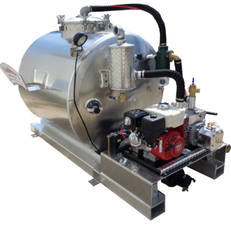
A dependable slide-in vacuum unit maintenance schedule is one of the smartest ways to protect your equipment investment, reduce downtime, and keep your crew working efficiently. Whether your unit is used for septic service, portable sanitation, grease trap work, or general liquid waste removal, a clear maintenance routine helps prevent avoidable breakdowns and extends the life of major components. When operators and fleet managers stay ahead of service instead of reacting to problems, slide-in units deliver stronger performance, safer operation, and better long-term value.
Slide-in vacuum units are built for convenience and versatility, but that does not mean they are maintenance-free. These units work hard in demanding environments, often facing heavy loads, moisture, debris, vibration, and frequent stop-and-go use. A smart service plan keeps pumps, tanks, hoses, seals, valves, and mounting systems in better condition while also helping maintain suction power and reliability. For businesses that depend on vacuum equipment every day, maintenance is not just a mechanical concern. It is a business strategy.
Slide-In Vacuum Unit Maintenance Schedule Overview
A strong maintenance schedule begins with understanding how your slide-in vacuum unit is used. Not every truck and unit combination sees the same workload. Some operators run their units every day on septic pumping routes, while others use them for lighter or more seasonal jobs. That is why the best schedules are based on both manufacturer guidance and real-world usage frequency.
A practical maintenance plan should include:
- Pre-trip inspections
- Post-job cleanup procedures
- Daily fluid and connection checks
- Weekly wear-part inspections
- Monthly performance reviews
- Scheduled service for pumps and vacuum systems
- Recordkeeping for repairs, parts replacement, and inspections
The goal is consistency. A maintenance schedule only works when it is simple enough to follow and thorough enough to catch issues early. Many major failures begin as small warning signs, such as a loose fitting, a cracked hose, reduced suction, or an unusual pump sound. Catching those issues early can save significant time and money.
Another key point is that slide-in units often work in multiple truck beds over time or may be removed and reinstalled based on operational needs. Because of that, operators should also pay close attention to mounting points, tie-down systems, and bed contact surfaces. Stability and proper fit are just as important as pump care.
Slide-in vacuum unit maintenance schedule best practices
The most reliable schedules are built around routine, accountability, and documentation. A few best practices can make a major difference:
- Assign responsibility clearly so operators know what they inspect and managers know what they verify
- Use checklists instead of relying on memory
- Schedule service based on both calendar intervals and usage hours
- Train operators to spot early warning signs
- Keep essential replacement parts on hand
- Clean the unit thoroughly to prevent buildup and corrosion
- Review service records monthly to identify repeat problems
It is also important to remember that maintenance is about more than preventing failure. A well-maintained unit typically performs better on the job. Stronger suction, smoother pump operation, fewer leaks, and more dependable controls all contribute to better customer service and improved daily productivity.
Maintenance Tasks by Usage Frequency
The easiest way to create a reliable maintenance routine is to group tasks by how often the unit is used. A slide-in unit that runs every day will need more frequent attention than one used only occasionally. Still, every unit benefits from structured care.
Daily, weekly, and monthly service tasks
Below is a practical way to organize service tasks for a typical slide-in vacuum unit.
Daily tasks
Daily checks should be quick but consistent. These inspections help operators catch obvious issues before they grow.
Before operation:
- Check oil and fluid levels where applicable
- Inspect hoses for cracks, soft spots, abrasions, or leaks
- Confirm fittings and clamps are secure
- Check tank exterior for visible damage
- Inspect the pump area for drips, residue, or loose hardware
- Verify that mounting hardware and tie-down points are tight
- Test controls and gauges for proper function
- Listen for unusual sounds during startup
After operation:
- Rinse and clean components exposed to waste or debris
- Remove buildup from hoses, valves, and fittings
- Inspect the tank and pump system for signs of strain after a full day
- Note any changes in suction power or discharge performance
- Record anything that needs follow-up service
Daily care is especially important for units working in harsh conditions. Debris, sludge, chemicals, and moisture can accelerate wear quickly if the unit is not cleaned and inspected after use.
Weekly tasks
Weekly service goes beyond a quick visual check. This is the time to look more closely at wear points and performance trends.
Weekly inspection items:
- Check vacuum pump belts or drive components for wear and tension
- Inspect seals and gaskets for signs of deterioration
- Examine hose couplings and valve assemblies for leakage
- Verify tank lid seals and closures are tight and functioning properly
- Look for corrosion, rust, or oxidation on exposed metal surfaces
- Inspect truck bed contact points and mounting brackets
- Clean or replace filters if applicable
- Lubricate components according to manufacturer recommendations
A weekly inspection is also a good time to compare current performance against normal operation. If the unit seems slower to build a vacuum or less efficient during unloading, that may point to a developing issue.
Monthly tasks
Monthly service should be more detailed and may involve a technician or supervisor review.
Monthly maintenance priorities:
- Perform a full system inspection
- Review vacuum pump condition and service intervals
- Test for leaks in the overall system
- Inspect tank integrity, including welds and structural points
- Check electrical components, switches, and lighting if equipped
- Review maintenance records and recurring repair notes
- Re-torque mounting hardware and structural connections
- Inspect safety equipment and labels
- Replace worn components before failure occurs
For high-use commercial operations, some of these monthly tasks may need to happen more often. Units in heavy service can wear through consumable parts much faster than expected, especially in hot weather, cold weather, or abrasive working environments.
Preventing premature equipment wear
Premature wear usually does not come from one major mistake. It often comes from small habits that add stress over time. Overloading the tank, skipping cleanouts, ignoring minor leaks, and delaying basic service all shorten equipment life.
To reduce unnecessary wear:
- Do not exceed recommended operating limits
- Avoid running the pump under improper conditions
- Clean the system thoroughly after demanding jobs
- Replace hoses and seals before they fail completely
- Store the unit properly when not in use
- Keep mounting systems tight and stable
- Address vibration issues early
- Use trained operators who understand correct startup and shutdown procedures
Environmental exposure also matters. Moisture, chemical residue, road salt, and sun exposure can all affect components over time. Even an aluminum slide-in unit benefits from routine cleaning and inspection because surrounding components, such as hoses, valves, fasteners, and fittings, can still suffer wear and corrosion.
Signs Maintenance Is Overdue
Even with a schedule in place, some signs make it clear that service attention is overdue. Knowing what to watch for can help prevent a minor service need from becoming a major repair bill.
Common warning signs include:
- Reduced suction power
- Slower tank fill or discharge times
- Unusual pump noise
- Visible fluid or air leaks
- Loose mounting hardware
- Cracked, swollen, or brittle hoses
- Excessive vibration during operation
- Difficulty maintaining vacuum pressure
- Foul buildup around valves or fittings
- Rising fuel or operating costs due to inefficient performance
If your crew notices one or more of these problems, it is best to inspect the unit immediately instead of waiting for the next scheduled interval. Performance issues often signal that the unit is already operating below its potential.
Another overlooked sign is inconsistent job output. If the same unit and operator suddenly need more time to complete routine service work, the issue may not be workflow-related. It may be mechanical. A vacuum system that is losing efficiency often reveals itself through slower, less consistent field performance.
Maintenance is also overdue when recordkeeping becomes vague or incomplete. If no one can quickly answer when the pump was last serviced, when hoses were last replaced, or when mounting hardware was last checked, the schedule is likely not being followed closely enough.
Building a Maintenance Routine That Actually Works
The best maintenance schedule is one your team will actually use. It should be organized, realistic, and tied to the demands of your operation. A complicated plan that no one follows is less effective than a simple checklist completed consistently.
Here is a practical process for building a reliable routine:
- Start with manufacturer recommendations
Use the service guidance for the pump, tank, and supporting components as your baseline. - Adjust for actual usage
Units used every day or on difficult jobs need more frequent inspection. - Create operator checklists
Daily and weekly forms make accountability easier. - Schedule deeper inspections
Monthly and quarterly reviews help catch hidden issues. - Track repairs and recurring failures
Maintenance records help identify patterns and improve scheduling. - Train your team
Operators should know what normal performance looks and sounds like. - Review and improve the schedule regularly
If parts are wearing faster than expected, update the schedule to match real conditions.
A well-run maintenance program also supports customer trust. When your equipment is reliable, your team shows up ready, works efficiently, and avoids delays that frustrate customers. That matters in industries where response times and service reliability directly affect reputation.
FAQ
How often should a slide-in vacuum unit be serviced?
A slide-in vacuum unit should be inspected daily, reviewed more thoroughly each week, and given a deeper service check each month. Exact timing depends on how often the unit is used, the type of material being handled, and the manufacturer’s recommendations.
What is the most important daily maintenance step?
A pre-use visual inspection is one of the most important daily tasks. Checking hoses, fittings, mounting hardware, and pump condition before operation can help catch problems before they lead to breakdowns.
Can irregular maintenance reduce suction performance?
Yes. Dirty filters, worn seals, leaking hoses, loose fittings, and pump issues can all reduce suction efficiency. Regular maintenance helps the unit maintain strong, dependable performance.
What causes premature wear in slide-in vacuum units?
Common causes include overloading, poor cleaning habits, delayed repairs, improper operation, vibration, and exposure to harsh conditions without regular inspection or service.
Should maintenance schedules differ for heavy-use units?
Yes. Units used daily or in demanding commercial environments typically need more frequent inspections and service than lightly used equipment.
Why are mounting checks important for slide-in units?
Because slide-in units are installed in pickup beds, secure mounting is essential for safety, stability, and long-term equipment protection. Loose or uneven mounting can increase vibration and accelerate wear.
Is recordkeeping really necessary for maintenance?
Absolutely. Maintenance records help track service intervals, identify repeat issues, support warranty or repair planning, and make it easier to stay on schedule.
Keep Your Slide-In Unit Working Smarter with KeeVac Industries
A smart maintenance schedule helps protect your equipment, improve daily performance, and extend the life of your investment. If you want a dependable slide-in solution built for real-world service demands, turn to KeeVac Industries. Based in Denver, we are a trusted vacuum truck upfitter offering septic pump trucks, vacuum tanks, and specialized solutions designed around your operational needs. We work with new and used chassis from licensed dealers, including Ford, Chevrolet, Ram, International®, Peterbilt, Freightliner, Mack, Isuzu, and Kenworth. We also specialize in aluminum slide-in pumper units designed to fit the full-size bed of almost any pickup truck. To explore your options and find the right setup for your business, contact us today.