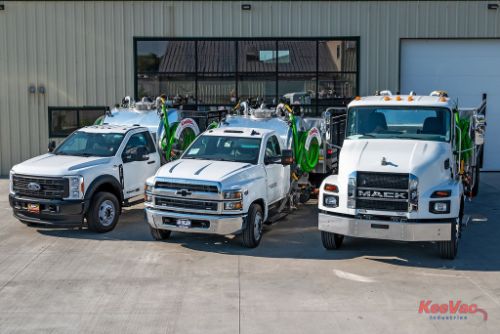
Choosing the best vacuum trucks for septic pumping isn’t just about horsepower or shiny paint—it’s about matching real-world jobs to equipment that’s built to perform day in and day out. Whether you run a single truck or a multi-state fleet, the “best” choice boils down to smart specs, proven components, and a service partner who stands behind the build.
Top-Rated Vacuum Trucks for Septic Services
Best Brands to Consider
When contractors say a truck is “top-rated,” what they usually mean is: it pumps reliably, it’s easy to maintain, and it earns its keep. That comes from three places—the chassis, the vacuum system, and the upfitter who integrates everything and supports you after the sale.
Chassis brands you’ll see under proven septic builds include Ford, Chevrolet, Ram, International®, Peterbilt, Freightliner, Mack, Isuzu, and Kenworth. Each has strengths. For example, lighter-duty domestic pickups can be perfect for slide-in units and tight residential routes, while Class 6–8 vocational chassis (think International®, Peterbilt, Freightliner, Mack, Kenworth) offer heavier payloads, bigger tanks, and air brakes for long days and highway miles.
Vacuum component brands often trusted by septic pros include Moro, Jurop, NVE (National Vacuum Equipment), and Masport for pumps and blowers; Hannay for hose reels; and Betts or Civacon for valves and fittings. Quality components reduce downtime and make it easier to source parts in a pinch.
Upfitters (the builders who design and install the tank, plumbing, controls, and accessories) make all the difference. A great upfitter tailors the tank size, weight distribution, pump choice, controls layout, lighting, and safety gear to your routes and local regulations. They also help with in-stock solutions, custom builds, and reliable after-sale support.
Bottom line: When you’re comparing “best” trucks, look at the builder’s track record integrating high-quality pumps, valves, and tanks on the chassis brand you prefer—and ask how easily they can source parts and service your unit.
Key Features for Septic Pumping
Top-rated septic trucks tend to share these characteristics:
Right-sized tank for your routes (common sizes range from 1,000–4,000+ gallons); bigger isn’t always better if you’re navigating tight neighborhoods or weight-restricted bridges.
Vacuum pump/blower sized for the material you handle most, with the CFM and HG you need to keep jobs on schedule. Septic pros often prioritize fast recovery times and reliable seals.
Corrosion-resistant tank materials (aluminum or stainless) to combat wastewater chemistry and extend service life.
Smart plumbing and controls—clean hose runs, accessible valves, and intuitive control placement that makes the operator’s job safer and faster.
Weight and balance engineered to protect axles and tires and keep the truck stable while loaded or partially loaded.
Serviceability—clear access to filters, pump oilers, PTOs, and relief valves.
User Reviews and Feedback
Contractors who love their trucks often highlight:
Consistent suction and quick job turnaround. Reliable vacuum performance is non-negotiable, especially on emergency calls.
Easy clean-out and wash-down. Thoughtful drain placement, rinse ports, and ladder/handhold design save time and keep crews safer.
Operator comfort. Good visibility, ergonomic controls, hose storage that reduces lifting strain, and lighting packages that turn early mornings into safer starts.
Uptime and parts availability. Builders with domestic parts pipelines and responsive tech support get rave reviews when operations scale or seasons spike demand.
If feedback trends negative, it’s usually about under-spec’d pumps, awkward plumbing layouts, or limited in-stock parts—all avoidable with the right upfitter.
What Makes a Truck Ideal for Septic Pumping
Tank Material and Durability
The tank is your income-producing asset, and its durability sets the tone for total cost of ownership.
Aluminum tanks are popular for their light weight (more payload on the same chassis), strong corrosion resistance, and clean look. They’re a great match for residential septic routes where you make more stops and value nimble maneuvering.
Stainless steel tanks offer excellent corrosion resistance and long life, especially if you encounter aggressive wastewater chemistry or run in areas with road salt. Stainless can add weight, so match it to your axle ratings and payload needs.
Coatings and weld quality matter. Look for continuous welds, internal baffling to control surge, and compliance with DOT/ASME considerations where applicable.
Mounting and subframes should distribute weight evenly and allow for tank flex without stressing the chassis. Ask how the builder addresses frame drilling, isolators, and maintenance access.
Pro tip: Consider your average load, distance between dumps, and terrain. A lighter tank may let you carry more product legally on the same axles—boosting route efficiency.
Hose and Pump Power
If the tank is your profit center, the pump is the heart that feeds it.
CFM and vacuum (inches Hg) determine how quickly you can move waste and how well you can handle long pulls or deeper tanks. Matching pump size to typical hose lengths and elevations you encounter prevents sluggish performance.
Material compatibility is essential. Septic waste demands robust seals and oilers. Many operators prefer pumps with proven track records in wastewater to minimize unplanned downtime.
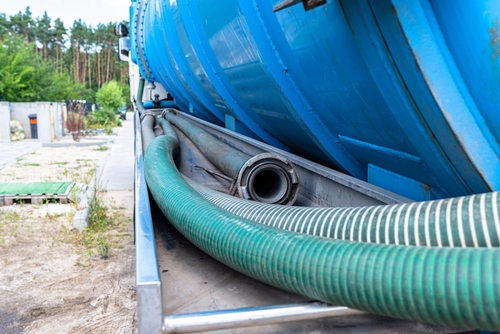
Hose management can change your day. Heated or enclosed reels in cold climates, swivel connections to reduce kinks, and thoughtful storage on both sides of the truck help operators set up faster and work safer.
Power take-off (PTO) vs. auxiliary power: PTO-driven systems are common and efficient; verify that your chassis PTO provisions and ratios align with the pump requirements. Idle-reduction strategies can also save fuel when you’re stationary for long pulls.
Pro tip: Bring your longest real-world hose scenario to the spec conversation. If the pump is sized for your worst day, every other day feels easy.
Operator Safety Features
A truck that protects your crew protects your business.
Non-slip catwalks and ladders with handholds reduce falls—especially in wet conditions.
Lighting packages (work lights, beacons, perimeter LEDs) turn dim sites into safe job zones.
Emergency shutoffs and relief valves reduce risk if a line clogs or a valve is left closed.
Back-up cameras and alarms help in crowded residential driveways and tight job sites.
Hose handling aids—reels, boom arms, or guides—cut strain and repetitive lifting injuries.
Clearly labeled valves and controls reduce mistakes during high-tempo work.
Ask your builder how safety is designed into the layout—not just added on at the end.
Buying New vs. Used for Septic Pumping
Pros and Cons of New
Pros
Tailored spec: Build the exact tank size, pump, plumbing, and storage you need for your routes.
Latest components: New pumps, valves, PTOs, and controls with full warranties.
Longer service life and predictable maintenance: Start with zero hours and build a maintenance plan from day one.
Compliance made easy: Emissions, lighting, braking, and weight distribution can be engineered to current standards.
Cons
Higher upfront cost: You’re paying for a new chassis, tank, and components.
Lead times: Custom builds can take time; plan ahead for seasonality or growth.
Insurance and taxes: Often higher than on used equipment.
Best for: Growth-minded operators, fleets standardizing on a spec, or companies targeting niche routes (e.g., tight urban cores, mountain towns, or long rural runs) that benefit from precise tank and pump choices.
Pros and Cons of Used
Pros
Lower acquisition cost: Useful for adding capacity fast or testing a new service area.
Faster availability: If a unit is on the lot and passes inspection, you can put it to work quickly.
Proven platforms: Certain chassis and pump pairings are well known by local mechanics and parts houses.
Cons
Unknowns: Tank thickness, internal condition, pump hours, and past repairs may not be obvious.
Higher near-term maintenance: Seals, hoses, valves, and PTO components might be due for replacement sooner.
Spec compromises: You might accept a sub-optimal tank size or layout to secure a deal.
Best for: Contractors who need immediate capacity, are comfortable with inspections and refurb, or want a lower-risk entry into a new territory or service line.
Final Tips Before Purchasing
Start with routes, not trucks. Map your average and peak day: number of stops, typical volumes, dump station distance, and tightest access points. Let that drive tank size, wheelbase, and pump selection.
Right-size the chassis. Work backward from fully loaded curb weight with water and hoses on board. Confirm axle ratings and frame strength with your upfitter.
Choose your pump like a profit lever. A bit more CFM or vacuum can pay off dramatically if you run long pulls or heavy sludge. Ask about oilers, filtration, and service intervals.
Think ergonomics. Dual-side hose connections, easy-to-reach valves, good ladder angles, and labeled controls shorten training time and reduce operator fatigue.
Plan for parts and service. Ask your builder about parts stocking, phone support, and turnaround times. Downtime is the enemy of ROI.
Inspect used with a checklist. Verify tank thickness and integrity, check pump hours and performance, inspect welding, look for uneven tire wear (weight distribution), and test every valve.
Budget for accessories that save backs and minutes. Work lights, hose reels, boom arms, tool storage, and wash-down kits pay for themselves quickly.
Future-proof where you can. If you expect to add grease traps or portable sanitation later, spec quick-connects or storage now to avoid rework.
Why Partner with KeeVac Industries
If you want a seamless buying experience—and a truck built to your routes—partner with a builder who knows septic inside and out. KeeVac Industries is a Denver-based vacuum truck upfitter focused on practical, operator-friendly builds and long-term support. We work with new and used chassis from Ford, Chevrolet, Ram, International®, Peterbilt, Freightliner, Mack, Isuzu, and Kenworth, supplied by licensed dealers, so you can match the platform you prefer with the tank and pump spec you need.
We offer a variety of septic pump trucks and vacuum tanks for sale, and we specialize in slide-in pumper units—a powerful way to add capacity without a dedicated heavy chassis. Our aluminum slide-in pumper units are designed to fit into the full-size bed of almost any pickup truck, giving owner-operators and municipal teams a flexible way to service tight neighborhoods, gated communities, or emergency call-outs where a big rig just won’t fit.
Beyond metal and horsepower, you’ll find a team committed to customer service: clear communication, honest lead times, and builds that emphasize safety, uptime, and easy maintenance.
Contact Us Today
Ready to spec the best vacuum trucks for septic pumping for your routes? Let’s design a build that boosts productivity today and scales with you tomorrow. Contact us to explore new or used chassis, compare tank materials and sizes, and select the right pump and accessories for your work. Whether you need a full-size septic truck or a nimble aluminum slide-in pumper unit for your pickup, our team will help you choose and customize a solution that fits your exact needs—and backs it with responsive support.
Finding new septic trucks for sale is easier when you know what you are looking for and which sources are actually worth your time. Whether you are expanding an existing fleet or purchasing your first septic pump truck, the buying process involves more than just finding a low sticker price. Tank size, pump configuration, chassis selection, and manufacturer support all determine whether a truck earns its keep or becomes a liability. At KeeVac Industries, we build custom septic vacuum trucks from the ground up, and this guide covers everything you need to make a confident buying decision.
Where to Find New Septic Trucks for Sale
There are a few legitimate channels for buying a new septic pump truck, and each comes with tradeoffs around customization, lead time, and pricing. Understanding your options upfront saves time and prevents costly mismatches between what you buy and what your operation actually needs.
Buy Direct from a Septic Truck Manufacturer
Purchasing directly from a vacuum truck manufacturer is the most straightforward path to a septic pump truck for sale that is actually built for your specific operation. When you go factory-direct, you get access to:
Full build customization, including tank size, tank material, pump type, and hose configuration
Transparent pricing with no dealer markup layered in
Factory-backed craftsmanship warranties on the tank and vacuum system
Direct communication with the team doing the build, so nothing gets lost in translation
KeeVac Industries builds septic trucks on new and used chassis from Ford, Chevrolet, Ram, International, Peterbilt, Freightliner, Mack, Isuzu, and Kenworth. Every build starts with your specific job requirements, not a one-size-fits-all template. Explore the full KeeVac vacuum truck product lineup to see available configurations and tank size options.
Authorized Dealerships and Upfitters
Dealerships that partner with specialized upfitters can offer pre-configured or near-complete septic vacuum trucks with shorter lead times than a fully custom build. This channel works well when:
You need a truck faster than a custom build timeline allows
You want in-person support and the ability to see the equipment before purchasing
You are exploring financing through a dealership’s lending relationships
The tradeoff is reduced customization. Pre-configured units may not match your route demands exactly, which can create inefficiencies over time. If you are going this route, confirm that the upfitter behind the build is a recognized manufacturer and not just a reseller of generic equipment.
Industry Trade Shows
Events like the WWETT Show (Water and Wastewater Equipment, Treatment and Transport) put you in front of multiple manufacturers at once. You can see live product demonstrations, compare specs side by side, and sometimes access show-exclusive pricing. Trade shows are also excellent for getting a read on what operators in the industry are actually running and what problems they are solving with their equipment choices.
KeeVac Industries regularly exhibits at industry trade shows and expos. See our upcoming trade show appearances to connect with our team in person and see our trucks up close.
Septic Pump Truck for Sale: What Specs Actually Matter
Not all septic tank trucks for sale are built equally. Two trucks with the same listed tank capacity can perform very differently depending on the pump system, chassis, and how the upfit was executed. Here are the specifications that separate a productive truck from one that will cost you more in downtime and repairs than you saved upfront.
Tank Size and Capacity
Tank size is the most obvious variable and one of the most impactful on your daily route efficiency. Choosing the right capacity comes down to your average job volume and how far you travel between disposal sites.
Tank Size
Best Fit
Common Use Cases
300 to 1,000 gallons
Tight routes, light volume
Portable restroom service, residential septic
1,000 to 2,000 gallons
Mixed-use routes
Residential and light commercial septic
2,000 to 4,000+ gallons
High volume, long haul
Commercial, municipal, industrial septic
For operators who need flexibility without the cost of a full truck, KeeVac’s aluminum slide-in vacuum units mount directly into a full-size pickup truck bed, giving you a functional septic pumper without a dedicated chassis investment. These are popular for startups, supplemental trucks, and operators running lighter residential routes.
Vacuum Pump System
The pump is what the truck actually does. Choosing the wrong pump CFM for your typical job sizes leads to sluggish pump-outs, frustrated crews, and wear patterns that shorten pump life. KeeVac builds use Masport pump systems, which are well-regarded in the industry for output consistency, serviceability, and longevity. Your pump selection should be matched to your typical tank type, waste viscosity, and average pumping distance.
The chassis is the foundation of your investment. It determines payload capacity, fuel efficiency, serviceability in your region, and how long the truck realistically lasts under working conditions. Key factors to evaluate:
Brand service network: A chassis brand with dealer locations in your area means faster service when something breaks.
Powertrain rating: Your engine and transmission must handle the loaded GVW of your largest anticipated tank and payload combination.
Cab configuration: Crew cab vs. standard cab affects how your team rides, which matters on long route days.
New vs. used chassis: Used chassis builds offer a lower entry price while still getting a factory-fresh KeeVac upfit. Both options are available through KeeVac.
Tank Material
Septic vacuum truck tanks are commonly built from either aluminum or steel. Aluminum tanks are lighter, which improves payload capacity and fuel economy. Steel tanks are generally more resistant to heavy impact and work well in rougher operating conditions. The right choice depends on your route terrain, total GVW requirements, and long-term maintenance preferences. To understand this decision better, see our breakdown of aluminum vs. steel vacuum truck tanks.
New vs. Used Septic Trucks for Sale: The Real Tradeoffs
Used trucks have a lower sticker price, but that number can be misleading. Here is a clear comparison of what you are actually choosing between:
Warranty coverage: New trucks carry OEM warranties on the chassis and KeeVac’s craftsmanship warranty on the tank and vacuum system. Used trucks typically have limited or no remaining warranty.
Maintenance predictability: New trucks start with zero wear, making operating costs far more predictable in the first several years. Used trucks often carry hidden maintenance backlogs that surface after purchase.
Customization: Buying new means the truck is built to your specs. Used trucks require you to adapt your operation to what is already on the truck.
Financing: New truck purchases often qualify for better financing terms and interest rates than used equipment loans.
KeeVac offers both new-build and used-chassis options, which means you can get a factory-fresh upfit on a used chassis to balance cost savings with the benefit of new vacuum system components. Explore financing options to find a structure that fits your cash flow and business stage.
Why Buy Your Septic Truck from KeeVac Industries?
KeeVac Industries is a specialized vacuum truck manufacturer, not a general equipment reseller. Every truck we build starts with a direct conversation about your operation, your routes, and your budget. That specificity is what separates a KeeVac build from an off-the-lot truck that may be close to what you need but never quite right.
Our builds cover the full range of septic vacuum truck applications. For detailed specs on our septic truck lineup, visit the KeeVac septic trucks page, or browse what is currently available in our ready-to-ship inventory.
To understand exactly what a septic tank truck does in the field and how the key systems work together, read our post on how a septic tank truck works before finalizing your specs.
When you are ready to talk build details, our team is available to walk through tank sizing, chassis options, pump selection, and delivery timelines. Contact KeeVac Industries to get started, or use our online quote form to submit your requirements and get a build estimate.
Frequently Asked Questions: Septic Trucks for Sale
What is the average cost of a new septic pump truck for sale?
New septic pump truck pricing varies significantly based on tank size, chassis brand, and build configuration. Smaller single-axle builds typically start in the $80,000 to $120,000 range, while larger tandem-axle or heavy-duty commercial builds can exceed $250,000. A slide-in vacuum unit mounted to an existing pickup truck is a more budget-friendly entry point, with pricing considerably lower than a dedicated full-size truck build.
How do I know what tank size to buy?
Tank size should be matched to your average job volume and your access to disposal sites. Operators on tight urban routes with nearby offload options can run smaller tanks and complete more stops per day. Operators in rural areas with long distances between jobs and disposal sites benefit from larger tanks that reduce round-trip frequency. KeeVac’s team can help you work through the route math to pick the right size.
Can I finance a new septic truck purchase?
Yes. KeeVac offers guidance on financing options that can be structured around your business’s cash flow and revenue cycle. Visit our financing page for more details, or ask our sales team when you get in touch.
Is a slide-in vacuum unit a good alternative to a full septic truck?
For operators who are starting out, running a supplemental truck, or working lighter residential routes, a slide-in unit is a practical and cost-effective alternative. KeeVac’s aluminum slide-in vacuum units fit into the bed of any full-size pickup and give you genuine pumping capability without the cost of a dedicated chassis.
What chassis brands does KeeVac build septic trucks on?
KeeVac builds on new and used chassis from Ford, Chevrolet, Ram, International, Peterbilt, Freightliner, Mack, Isuzu, and Kenworth. Chassis selection is matched to your GVW requirements, regional service network access, and budget.
Where can I see septic trucks for sale near me?
KeeVac ships nationwide and builds trucks for operators across the country. You can browse current inventory in our online shop, or see our in-person appearance schedule on our trade shows and expos page. For trucks available near specific regions, our sales team can advise on current build timelines and in-stock options. Also check our related guide on finding the best septic trucks for sale near you.
Many homeowners and businesses recognize the importance of regular servicing to maintain a clean and operative septic system. Enter the septic tank truck, a powerful and indispensable tool in waste management. These specialized vehicles perform a range of services necessary to keep septic systems functional and efficient.
1. Routine Septic Tank Pumping
Routine septic tank pumping is one of the core services provided by septic tank trucks. Pumping involves the removal of the solid and liquid waste that accumulates in septic tanks over time. Without regular pumping, these solids and sludge can cause clogs, leading to system failures and costly repairs.
A professional service typically involves:
Inspection: Before pumping starts, technicians will inspect the septic tank for signs of damage or leaks.
Pumping: The waste is extracted and stored in the truck’s tank using high-powered vacuum hoses.
Cleaning: The interior of the tank is thoroughly cleaned, removing any remaining sludge.
Disposal: The waste material is transported to an appropriate disposal facility, adhering to all local and federal regulations.
Routine septic tank pumping should be scheduled based on the tank’s size and household or business usage. Most systems require pumping every 3-5 years, although high-usage systems might need more frequent attention.
2. Comprehensive Septic System Inspections
Septic tank trucks are also employed for comprehensive septic system inspections, which are crucial for identifying potential problems before they escalate. Regular inspections help maintain septic systems’ longevity and functionality.
Key components of a septic inspection include:
Surface Investigation: Checking for signs of ponding water or foul odors around the drain field.
Internal Examination: Using specialized cameras and tools, technicians can inspect the tank’s interior for cracks, clogs, or blockage in outflow pipes.
System Efficiency Assessment: Evaluating the system’s flow rate and overall performance.
Regular inspections can save homeowners and businesses from costly repairs and system failures.
3. Emergency Septic Services
Septic tank trucks are often on call for emergency septic services. Emergencies can include overflowing tanks, severe clogs, or system backups that need immediate attention to prevent further property damage or health risks.
In emergencies, a septic pump truck performs:
Rapid Pumping: Quickly extracting excess waste materials to alleviate overflow and stop backup.
Temporary Solutions: Temporary fixes are provided to stabilize the system until a permanent solution can be implemented.
Diagnostics: Implementing swift diagnostics to understand the issue’s cause and prevent future occurrences.
4. Septic Tank Cleaning and Maintenance
Septic cleaning and maintenance are integral to the health of any septic system. Septic tank trucks utilize powerful equipment to perform:
High-Pressure Washing: Removing residual sludge and scum from the tank walls.
Chemical Treatments: Applying safe chemicals that break down waste and help prevent future buildup.
Regular maintenance ensures the system operates smoothly and extends its life span.
5. Grease Trap Cleaning
In addition to septic systems, septic tank trucks play a crucial role in grease trap cleaning for restaurants, hotels, and other commercial kitchens. Grease traps intercept oily substances before they enter the septic system or municipal wastewater collection, preventing costly clogs and backups.
Grease trap cleaning involves:
Pumping: Removing accumulated grease and solids.
Scraping: Thoroughly scraping the grease trap to ensure it’s free of hardened deposits.
Inspection: Checking for wear and tear and ensuring the trap is in good working order.
Proper grease trap maintenance prevents environmental contamination and keeps business operations running smoothly.
6. Portable Toilet Servicing
Septic tank trucks are also essential for servicing portable toilets, which are ubiquitous at construction sites, events, and other outdoor venues. Regular servicing keeps these units sanitary and functional.
Services include:
Waste Removal: Pumping out and removing waste to ensure the toilets remain usable.
Cleaning and Disinfecting: Deep cleaning the interior of the toilet and applying disinfectants to maintain hygiene standards.
Supply Restocking: Refilling supplies such as toilet paper, hand sanitizer, and deodorizing tablets.
Portable toilet servicing helps ensure a positive experience for users and compliance with health regulations.
7. Industrial and Municipal Waste Management
Septic tank trucks are crucial in the industrial and municipal waste management sectors. These powerful vehicles manage waste by:
Removing Sludge: Handling sludge from wastewater treatment plants or industrial processes.
Transportation: Transporting hazardous or non-hazardous waste to designated disposal or treatment facilities.
Site Maintenance: Assisting in site maintenance by cleaning and removing materials like sand, grit, and oily sludge.
This service is vital for maintaining environmental standards and ensuring community health and safety, benefiting municipal systems and industrial operations.
8. Effluent Filter Cleaning and Replacement
Effluent filters are key components in septic tanks, preventing suspended solids from entering the drain field. Over time, these filters can become clogged and require cleaning or replacement. Septic tank trucks provide:
Inspection and Diagnosis: Assessing the condition of the effluent filter.
Cleaning: Removing built-up solids to restore the filter’s functionality.
Replacement: Replacing the filter when it’s no longer effective.
Regular effluent filter maintenance improves the efficiency and longevity of the entire septic system.
9. Hydro Jetting
Hydro jetting is a specialized service designed to clear out stubborn clogs and build-up within septic systems and pipes. Utilizing high-pressure water streams, hydro jetting can:
Clear Blockages: Removing tree roots, mineral deposits, and other obstructions.
Clean Pipes: Ensuring pipes are free from grease, sludge, and other debris.
Restore Flow: Improving the flow rate within the system.
This service is particularly effective for maintaining the integrity and functionality of larger, more complex plumbing and septic systems.
Why Choose KeeVac Industries for Septic Tank Trucks?
As you can see, septic tank trucks offer a wide range of essential services that keep septic systems, grease traps, portable toilets, and a variety of other waste management systems in optimal condition. Now, if you need a reliable septic pump truck, look no further than KeeVac Industries.
Located in Denver, KeeVac Industries provides new and used septic pump trucks and vacuum tanks to fit your specific requirements. Here’s why KeeVac stands out:
Quality Chassis: We use a variety of high-quality chassis supplied by licensed dealers, including Ford, Chevrolet, Ram, International®, Peterbilt, Freightliner, Mack, Isuzu, and Kenworth, ensuring durability and reliability.
Customization: Our builds are tailored to meet your exact specifications, whether you need a traditional septic pump truck or specialized vacuum tanks.
Slide-In Pumper Units: We specialize in aluminum slide-in pumper units that fit into the full-size bed of almost any pickup truck. These units offer flexibility, allowing you to transform your vehicle into a powerful waste management tool.
Customer Service: At KeeVac, customer satisfaction is our top priority. Our team of experienced professionals is here to guide you through every step, from purchase to maintenance, ensuring you receive the best possible service.
Contact Us Today
Ready to elevate your septic services with a top-tier septic pump truck? KeeVac Industries is your go-to provider for high-quality vacuum tanks and septic pump trucks. Explore our range of products and find the perfect solution for your needs. Our team is here to help you select the right equipment to ensure your waste management operations run smoothly and efficiently.
Contact us today to learn more about our innovative solutions and how we can support your business. Trust KeeVac Industries to provide the equipment and expertise you need to manage septic systems effectively.
Septic systems are essential for managing wastewater in homes and businesses that aren’t connected to a municipal sewer system. These systems require regular maintenance to ensure they function properly, and that’s where the septic pump truck plays a crucial role. In this post, we’ll explore how a septic pump truck operates and the step-by-step process involved in emptying and maintaining septic systems.
What is a Septic Pump Truck?
A septic pump truck is a specialized vehicle that features a large tank and a powerful vacuum pump. These trucks are designed to efficiently and safely remove and transport waste from septic systems. Depending on the truck’s size, the tank can hold hundreds to several thousand gallons of waste.
The Process of Emptying a Septic Tank
1. Locating the Septic Tank: First, technicians locate the septic tank. They usually access the tank’s manhole cover, often buried underground. Using specialized tools, they uncover and access the tank.
2. Inspecting the Tank: Before pumping out the septic tank, the technician inspects the tank. They check for any signs of damage or leaks to ensure that the tank is structurally sound. This step helps identify issues that need attention.
3. Pumping Out the Waste: Once everything is ready, the septic pump truck positions itself near the tank. The vacuum pump in the truck creates suction, drawing the waste out of the tank. The waste is then stored in the truck’s tank, which is transported to a treatment facility.
4. Cleaning the Tank: After removing the waste, the technician uses a high-pressure water jet to clean the inside of the septic tank. This process removes any remaining residue or buildup, ensuring the tank continues to function optimally.
5. Disposing of the Waste: After the truck’s tank is full, it transports the waste to a treatment facility. There, the waste undergoes proper treatment and disposal, handled in an environmentally responsible manner.
6. Recording and Documentation: The technician documents the septic system’s condition, the volume of waste removed, and any recommendations. This record helps with future maintenance and ensures the system functions properly in the long term.
Additional Services Provided by Septic Pump Trucks
Septic pump trucks offer more than just emptying septic tanks. They also provide essential services that help ensure your septic system runs smoothly over time.
1. Routine Inspections: Regular inspections help identify potential problems early, preventing costly repairs or system failures. The technician evaluates the system’s condition, checks for leaks, and ensures everything flows as it should.
2. Septic Tank Repairs and Installations: If a septic tank needs repairs or replacement, septic pumper trucks have the tools and expertise to do the job. Whether it’s fixing damaged parts or installing a new tank, technicians handle it efficiently.
3. Septic System Design and Evaluation: For new construction or renovations, septic pump trucks can assess the site and design the right septic system. They ensure compliance with local regulations and consider factors like soil type, water table levels, and property size.
Summary: Why a Septic Pump Truck is Crucial for Your Septic System
Septic pump trucks play a vital role in maintaining septic systems. Equipped with specialized technology, technicians use these trucks to safely remove waste, clean tanks, and dispose of the waste efficiently. Additionally, septic pump trucks offer services such as inspections, repairs, installations, and system evaluations. With their help, homeowners and businesses can ensure their septic systems remain in good condition and avoid costly repairs.
Working With Keevac Industries
Keevac Industries is proud to offer a large selection of portable restrooms, septic, grease, slide-ins, and tanks. Our knowledgeable staff is here to help you find the perfect solution. As your trusted septic pump truck manufacturer, we can build custom service trucks to your specifications. We offer both domestic and international shipping. Call Keevac Industries today to start your septic pump truck project!
Septic systems play a crucial role in managing wastewater in both residential and commercial areas. However, without proper maintenance, septic systems can become a breeding ground for bacteria and pollutants, posing a threat to the environment and human health. This is where septic pumper trucks come in. These specialized vehicles are essential for maintaining a healthy environment by emptying and cleaning septic tanks. In this blog post, we will explore the importance of septic pumper trucks and their role in preserving the environment.
1. Regular Pumping Prevents Overflow
Septic tanks are designed to hold and treat wastewater from toilets, sinks, and showers. Over time, solid waste accumulates at the bottom of the tank, while scum and liquid waste float on the top. If the tank is not pumped regularly, the solid waste can build up and reduce the tank’s capacity. This can result in an overflow, causing raw sewage to seep into the ground or back up into the building. Septic pumper trucks play a crucial role in preventing such overflows by removing the accumulated waste from the tank, ensuring it continues to function efficiently and preventing environmental contamination.
2. Protects Nearby Water Sources
Improperly maintained septic systems can not only contaminate the soil but also pollute nearby water sources. When a septic tank overflows or leaks, the untreated wastewater can seep into the ground, reaching groundwater or nearby lakes and rivers. This can contaminate drinking water sources and harm aquatic life. Septic pumper trucks help prevent this by effectively removing and transporting the waste to treatment facilities. By emptying the septic tanks regularly, septic pumper trucks contribute to the protection of water sources and the preservation of a clean and healthy environment.
3. Reduces the Spread of Disease
Untreated wastewater from septic systems contains harmful bacteria and pathogens that can cause waterborne diseases. If these bacteria and pathogens reach surface water or contaminate the soil, they can pose serious health risks to humans and animals. Septic pumper trucks are crucial in reducing the spread of disease by emptying and cleaning septic tanks. By removing the waste from the tanks and transporting it to the appropriate treatment facilities, septic pumper trucks prevent the release of harmful pathogens into the environment, protecting public health.
4. Extends the Lifespan of Septic Systems
Regular maintenance is key to ensuring the longevity and efficiency of septic systems. Without proper care, septic tanks can deteriorate, leading to costly repairs or even the need for complete system replacement. Septic pumper trucks help extend the lifespan of septic systems by removing accumulated solids and preventing the build-up of sludge and scum. By regularly emptying and cleaning septic tanks, these specialized vehicles help maintain the structural integrity of the system, reducing the risk of system failure and the associated environmental and financial consequences.
5. Provides Professional Expertise
Septic pumper trucks are operated by trained professionals who have the knowledge and expertise to effectively maintain septic systems. These professionals understand the intricacies of septic tanks, ensuring that they are emptied and cleaned properly. They can also identify any potential issues or signs of system failure, allowing for timely repairs and preventive measures. By utilizing the services of septic pumper trucks, property owners can benefit from the expertise of these professionals, ensuring the proper functioning of their septic systems and the preservation of a healthy environment.
Final Thoughts
Septic pumper trucks play a vital role in maintaining a healthy environment. By regularly emptying and cleaning septic tanks, these specialized vehicles prevent overflows, protect nearby water sources, reduce the spread of disease, and extend the lifespan of septic systems. Their professional expertise ensures that septic systems are properly maintained, minimizing the environmental and health risks associated with untreated wastewater. So, if you have a septic system on your property, make sure to schedule regular maintenance with a septic pumper truck to contribute to a healthier and cleaner environment.
Working With Keevac Industries
Keevac Industries is proud to carry a large selection of portable restrooms, septic, grease, slide-ins, and tank inventory. Our knowledgeable and friendly staff are eager to help you find exactly what you are looking for. As your trusted vacuum truck manufacturer, we can build service trucks to your specifications. We offer nationwide shipping as well as international if needed. Give Keevac Industries a call today to get your vacuum truck project started!