New Vacuum Trucks for Sale: What to Know Before You Shop
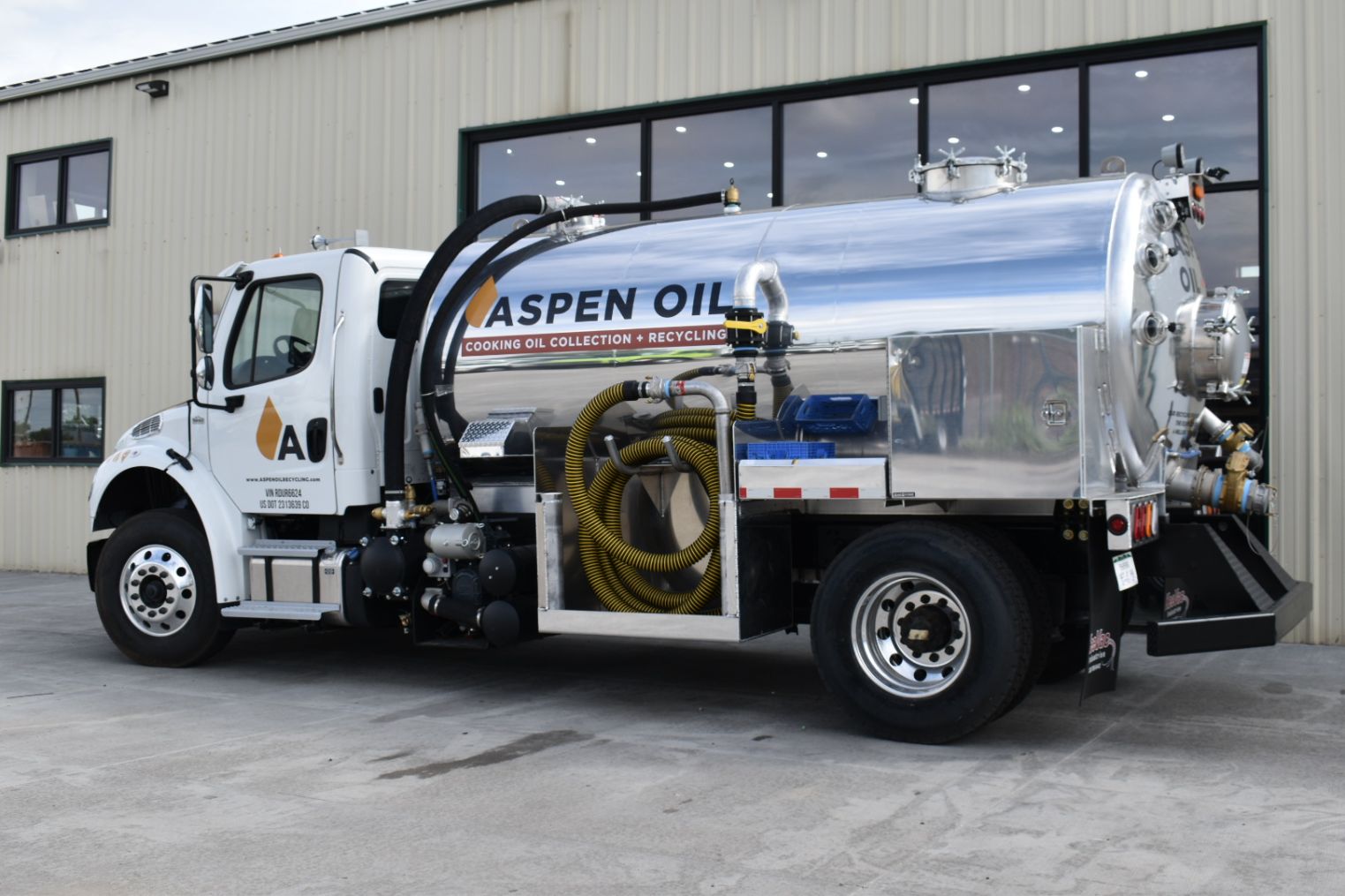
Shopping for new vacuum trucks for sale is a major investment, and choosing the right truck involves much more than comparing prices or picking a familiar chassis brand. A vacuum truck becomes an essential part of daily operations, so the equipment needs to match the type of work performed, the environments served, and the amount of material a crew expects to handle. Whether you are expanding a septic pumping operation, replacing an aging unit, or purchasing a first vacuum truck, understanding the options before you shop can help you make a more confident decision.
The right vacuum truck can improve efficiency, reduce downtime, increase hauling capacity, and make everyday jobs easier for operators. On the other hand, purchasing a truck that is too large, too small, or poorly configured for the typical workload can create unnecessary operating expenses.
Before committing to a truck, take some time to understand how vacuum trucks are built, which components matter most, and what questions to ask an upfitter.
How to Choose the Right New Vacuum Trucks for Sale for Your Operation
One of the first questions to consider is surprisingly simple: what will the truck actually be doing?
Vacuum trucks are used across several industries, but different applications can require very different equipment configurations. A septic pumping operation may prioritize tank capacity and efficient unloading, while another operator may need a smaller, more maneuverable truck for residential properties with limited access.
Think about the jobs performed most frequently. Consider details such as:
- Typical pumping volume
- Average driving distance between jobs
- Residential versus commercial work
- Local road and weight restrictions
- Terrain and jobsite accessibility
- Number of stops completed each day
- Disposal site locations
- Future business growth
Current workload matters, but future plans should also play a role. If a business expects significant growth over the next few years, purchasing slightly more capacity than is currently needed may prevent an early replacement.
Questions to Ask Before Buying New Vacuum Trucks for Sale
Before requesting a quote, it helps to have a clear picture of daily operations. An upfitter can build a more accurate recommendation when they understand pumping volume, service area, and growth plans up front rather than working from a generic spec sheet.
Choose the Right Chassis for Your Operation
The chassis is the foundation of the entire vacuum truck. It determines much of a truck’s payload capability, maneuverability, driving experience, maintenance requirements, and overall operating characteristics.
There is no single chassis that works best for every vacuum truck operation. Some businesses prefer lighter-duty trucks because they regularly navigate residential neighborhoods or tight properties. Others need larger commercial chassis capable of supporting higher-capacity tanks and heavier workloads.
Common chassis manufacturers used for vacuum truck builds include Ford, Chevrolet, Ram, International®, Peterbilt, Freightliner, Mack, Isuzu, and Kenworth.
When evaluating chassis options, consider:
- Gross vehicle weight rating
- Axle ratings
- Engine and transmission configuration
- Wheelbase
- Fuel type
- Cab configuration
- Service availability in the area
- Driver comfort
- Replacement parts availability
Gross vehicle weight rating is worth understanding in detail before comparing trucks, since it affects everything from licensing requirements to how much payload a finished build can legally carry. The Federal Motor Carrier Safety Administration publishes official weight classifications that explain how these ratings apply to commercial trucks.
A reputable vacuum truck upfitter can help match a preferred tank and pumping system with a chassis that can safely and effectively support the finished build.
Pay Close Attention to Tank Capacity
It can be tempting to assume that a larger vacuum tank is always better. More capacity can certainly be valuable, particularly for operators handling large septic systems or completing numerous jobs between disposal trips.
However, bigger is not automatically better.
Larger tanks require heavier-duty chassis, and increased capacity can affect the overall size, maneuverability, operating cost, and legal weight of the truck. If most of the work involves smaller residential systems, purchasing more capacity than is regularly used may not provide much practical benefit.
A properly sized tank helps balance productivity with operational efficiency.
Before choosing tank capacity, estimate how much material crews typically collect during an average day. Consider how often they must unload and how far they travel to reach disposal locations.
Reducing unnecessary disposal trips may allow crews to complete more jobs each day, but the truck still needs to remain practical for the properties and roads where it will operate.
Understand Your Vacuum Pump Options
The vacuum pump is the heart of a vacuum truck. Its job is to create the suction needed to move liquid and waste material from a septic tank or holding system into the truck’s tank.
Pump performance can significantly influence how quickly and efficiently operators complete jobs.
When comparing vacuum pumps, look at factors such as:
- Airflow capacity
- Vacuum capability
- Pump design
- Maintenance requirements
- Lubrication needs
- Expected service life
- Availability of replacement parts
The ideal pump depends heavily on the work performed. More powerful equipment may be useful for demanding commercial applications, while smaller operations may be well served by a simpler pumping system.
Talk with an upfitter about the most common jobs performed rather than simply requesting the largest pump available. A properly matched system can provide dependable performance without adding unnecessary complexity or expense.
Consider Tank Construction and Material
The material used to manufacture a vacuum tank can influence weight, durability, corrosion resistance, and long-term maintenance.
Aluminum is particularly attractive for many pumping applications because it provides a combination of strength and relatively low weight. Reducing tank weight can help increase available payload while keeping the finished truck within appropriate weight limits.
Tank construction quality is equally important.
Look for clean fabrication, dependable welds, appropriate internal reinforcement, and components designed to withstand the repeated loading and unloading cycles associated with vacuum pumping operations.
A vacuum truck is not equipment that should be built around shortcuts. It needs to perform reliably throughout years of demanding daily service.
Think About Operator Convenience
Truck specifications matter, but so does the experience of the person operating the truck every day.
Small design decisions can make a noticeable difference over the course of hundreds or thousands of service calls.
Consider where hoses, valves, controls, storage compartments, and other frequently used components are positioned. Operators should be able to access the equipment they need without unnecessary climbing, reaching, or walking around the truck.
Helpful features may include:
- Accessible hose storage
- Convenient valve placement
- Easy-to-read gauges
- Practical tool storage
- Comfortable control locations
- Clearly organized pumping equipment
- Adequate work lighting
A truck that is easier to operate can help crews work more efficiently while reducing frustration during long days in the field.
Do Not Ignore Maintenance Accessibility
Every vacuum truck requires routine maintenance. Pumps need servicing, valves need inspection, hoses eventually wear out, and chassis components must be maintained according to manufacturer recommendations.
Equipment that is difficult to access can turn simple maintenance into a frustrating process.
Before buying a truck, ask how easily technicians can reach major components. Serviceability should be considered during the original build rather than treated as an afterthought.
Parts availability matters just as much. A specialized component that takes weeks to obtain can leave a revenue-producing truck sitting in the shop, which is why established parts and service support is worth asking about before you buy. Whenever possible, look for equipment with readily available replacement parts.
New Chassis Versus Used Chassis
Although many buyers begin their search looking specifically for brand-new trucks, there are multiple ways to build a dependable vacuum truck.
A new chassis can provide the latest technology, a new-vehicle warranty, and fewer concerns about previous wear. It may also offer modern driver-assistance features and improved cab comfort. A quality used chassis, however, can sometimes provide excellent value when properly inspected and matched to the intended application.
The key is understanding exactly what is being purchased.
| Consideration | New Chassis | Used Chassis |
|---|---|---|
| Warranty coverage | Full manufacturer warranty included | Limited or none unless separately purchased |
| Upfront cost | Higher purchase price | Lower purchase price |
| Technology and comfort | Latest safety and driver-assistance features | Depends on model year |
| Inspection needed | Minimal, factory-built | Thorough review of mileage, engine hours, and frame condition |
| Lead time | May require ordering and waiting | Often available sooner |
When considering a used chassis, review mileage, service records, engine hours, previous application, frame condition, suspension condition, tire condition, maintenance history, and available warranty coverage. Working with an experienced upfitter can make this process easier because the tank, chassis, and pumping system can be evaluated as an integrated package. Current inventory of both new and pre-owned builds can be found by browsing available vacuum truck inventory.
Consider a Slide-In Pumper Unit as an Alternative
Not every operator needs a traditional dedicated vacuum truck.
For certain businesses, a slide-in pumper unit can provide an extremely practical alternative. A slide-in unit converts a full-size pickup into a compact pumping vehicle without requiring the purchase of a larger dedicated truck. This can be particularly useful for smaller jobs, difficult-to-access properties, or businesses that need additional pumping capability without adding a full-size vacuum truck to the fleet.
Aluminum slide-in pumper units are especially appealing because they combine pumping capability with a lightweight design. Depending on the configuration, a slide-in unit may help a business serve properties where larger trucks would be inconvenient or impractical.
Calculate the True Cost of Ownership
Sticker price matters, but it should never be the only number considered when comparing vacuum trucks.
The real cost of a truck includes years of operating expenses. Fuel consumption, maintenance, repairs, insurance, tires, replacement components, and downtime all influence how much the truck ultimately costs a business.
A less expensive truck that requires frequent repairs may cost significantly more over its working life than a properly built truck with a slightly higher initial purchase price. Reviewing available financing options alongside the purchase price can also help put the full investment into perspective.
When comparing options, think in terms of long-term value. Ask:
- How easy will this truck be to maintain?
- Are replacement parts readily available?
- Can local technicians service the chassis?
- Is the tank appropriately sized for the workload?
- Will the truck remain useful if the business grows?
- How much downtime could maintenance create?
Reliable equipment keeps crews working and customers scheduled.
Ask About Customization Before You Buy
Every business operates differently, which is why working with an upfitter that understands custom vacuum truck builds can be valuable.
Instead of forcing an operation to adapt to a predetermined truck configuration, buyers may be able to select equipment and features that better match their workflow.
Depending on the build, customization may involve:
- Tank size
- Chassis selection
- Pump configuration
- Hose storage
- Valve arrangement
- Toolbox placement
- Lighting
- Accessory equipment
- Operational controls
Discuss these requirements early in the purchasing process. Making thoughtful decisions during the build is usually easier than modifying the truck after it has already entered service.
Work With an Experienced Vacuum Truck Upfitter
A vacuum truck combines a commercial vehicle, storage tank, pumping system, valves, hoses, controls, and numerous supporting components. All of those pieces need to work together properly.
That makes the choice of upfitter extremely important.
An experienced vacuum truck upfitter should take the time to understand an operation before recommending equipment. They should be willing to discuss chassis options, tank capacities, pumping requirements, and other practical considerations. Customer service matters during the buying process, but it also matters after the truck is delivered.
Frequently Asked Questions
What Should I Know About New Vacuum Trucks for Sale?
Start with the typical workload. Evaluate tank capacity, chassis size, vacuum pump performance, payload requirements, maintenance accessibility, parts availability, and operator convenience. The best truck is one configured around the work a crew actually performs.
What size vacuum tank is needed?
Tank size depends on average pumping volume, number of daily jobs, disposal distance, chassis capacity, and legal weight restrictions. Larger tanks can reduce disposal trips, but they also require an appropriately rated chassis.
Which chassis brands can be used for vacuum trucks?
Vacuum trucks can be built on chassis from numerous manufacturers, including Ford, Chevrolet, Ram, International®, Peterbilt, Freightliner, Mack, Isuzu, and Kenworth. The ideal choice depends on capacity, service availability, driving conditions, and personal preference.
Is an aluminum vacuum tank a good option?
Yes. Aluminum can provide an excellent combination of durability, corrosion resistance, and reduced weight. The lower tank weight may also help maximize available payload depending on the truck configuration.
Can a vacuum truck be built on a used chassis?
Yes. A properly inspected used chassis can provide excellent value. Pay close attention to maintenance records, mileage, engine hours, frame condition, and the truck’s previous use before purchasing.
What is a slide-in pumper unit?
A slide-in pumper unit is a compact pumping system designed to fit into the bed of a pickup truck. It can provide a convenient solution for smaller pumping jobs, tight locations, and businesses that do not need a full-size dedicated vacuum truck.
Should the largest available vacuum truck always be the goal?
Not necessarily. The right truck should match the operating environment and workload. An oversized truck may increase fuel use, reduce maneuverability, and provide capacity that is rarely needed.
How important is the vacuum truck upfitter?
Very important. The quality of the finished truck depends on how well the chassis, tank, pumping system, controls, and other components are integrated. An experienced upfitter can also help identify a configuration that better fits a specific operation.
Choosing a vacuum truck is a serious business decision, but no one has to figure out every specification alone. Working with an experienced upfitter can help compare options, understand the tradeoffs, and build a truck around the way a company actually operates.
KeeVac Industries is a trusted vacuum truck upfitter providing dependable pumping solutions for customers nationwide, using new and used chassis supplied by licensed dealers. Whether adding a first truck, replacing equipment, or expanding a fleet, our team is ready to help determine which configuration makes the most sense for your business. Contact our team today to discuss vacuum truck needs and start building a pumping solution designed to keep operations moving.