Slide-In Portable Toilet Service Units: A Complete Guide
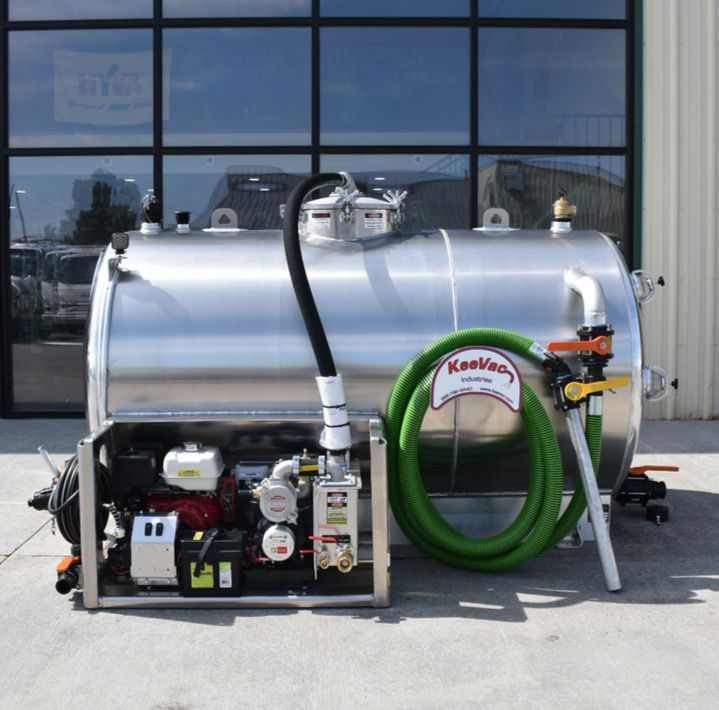
Portable restroom servicing requires equipment that can handle demanding jobs without making every route more complicated than it needs to be. For businesses that want dependable pumping capabilities without investing in a dedicated full-size vacuum truck for every route, a slide-in portable toilet service unit can offer an efficient and practical alternative. Designed to fit into the bed of a full-size pickup truck, these units give operators the ability to pump, transport, and service waste while maintaining the maneuverability and familiarity of a standard pickup.
Whether you operate a growing portable restroom company, manage a septic service business, or simply need a smaller pumping solution for specialized jobs, slide-in units can add valuable flexibility to your fleet. Understanding how these systems work, what advantages they provide, and what to consider before purchasing one can help you choose equipment that supports your day-to-day operations.
What Is a Slide-In Portable Toilet Service Unit?
A slide-in portable toilet service unit is a self-contained pumping system designed to be installed in the bed of a pickup truck. Unlike a traditional vacuum truck that uses a permanently mounted tank and specialized chassis, a slide-in unit allows a standard full-size pickup to become a compact pumping vehicle.
Most systems combine the essential components needed for waste removal into one integrated unit. Depending on the configuration, this may include:
- A vacuum tank
- Vacuum pump
- Hoses and hose storage
- Valves and fittings
- Controls
- Pressure and vacuum gauges
- Safety equipment
- Mounting hardware
- Additional storage features
For portable restroom operators, this configuration can provide an effective way to service units located in residential areas, event spaces, construction sites, and other locations where a larger truck may be inconvenient. Operators who need higher-volume capacity may still rely on full-size portable restroom trucks for their primary routes while adding a slide-in unit for supplemental or specialty work.
Key Components of a Slide-In Portable Toilet Service Unit
Each component plays a specific role in keeping a route productive, from the tank and pump down to the smallest valve. Reviewing these parts individually before purchasing helps operators understand exactly what they are paying for and how each piece affects daily performance.
Why Slide-In Units Work Well for Portable Restroom Servicing
Portable restroom servicing creates a unique set of equipment needs. Operators typically need enough vacuum capacity to complete a productive route, but they also need a vehicle that can maneuver between parked cars, travel through neighborhoods, navigate construction areas, and access tighter spaces.
A slide-in pumping system addresses many of these requirements.
Instead of relying exclusively on large vacuum trucks, operators can use pickup-based servicing vehicles for certain routes or smaller jobs. This flexibility can be especially useful for businesses handling portable restrooms across a wide geographic service area.
A properly configured unit can allow technicians to move efficiently between stops without sacrificing the pumping capabilities required for routine servicing.
| Consideration | Full-Size Restroom Truck | Slide-In Service Unit |
|---|---|---|
| Tank capacity | Higher, suited to large or high-volume routes | Lower, suited to smaller or specialized routes |
| Maneuverability | Limited in tight or congested spaces | Excellent, uses a standard pickup |
| Fleet role | Primary route vehicle | Backup, specialty, or supplemental vehicle |
| Typical fit | High-volume, established routes | Growing companies, tight access, backup capacity |
Greater Maneuverability on Tight Routes
One of the biggest advantages of slide-in units is maneuverability.
A conventional septic or vacuum truck can be ideal for high-volume pumping, but there are situations where its size becomes a challenge. Portable restrooms may be positioned behind buildings, inside fenced construction areas, along narrow streets, or in locations with limited turning space.
A pickup truck can often access areas that would be difficult for a larger commercial vehicle.
This makes slide-in units particularly useful for routes involving:
- Residential construction projects
- Downtown service areas
- Outdoor festivals
- Parks and recreation facilities
- Smaller commercial properties
- Road construction sites
- Temporary event locations
- Rural properties
- Tight parking areas
Operators can often position the vehicle closer to the restroom, reducing the amount of hose that needs to be pulled across a property or worksite.
An Efficient Way to Expand Your Fleet
Growing portable restroom companies eventually face an important question: how do you add pumping capacity without overbuilding your fleet?
Purchasing another full-size vacuum truck may make sense when route volume demands it. However, some businesses simply need another service vehicle for smaller routes, backup capacity, or specialized assignments.
A slide-in unit can provide another option.
Because these systems are installed in pickup trucks, companies may be able to use vehicles already familiar to their technicians. Pickup trucks can also serve additional purposes within an operation when appropriate, depending on how the unit is configured and installed. For growing companies, this can provide a scalable way to increase servicing capabilities.
Aluminum Construction Offers Important Advantages
Tank material matters when selecting pumping equipment.
Aluminum slide-in units are popular because aluminum provides a useful combination of strength and relatively low weight. Keeping equipment weight under control is especially important when installing pumping equipment in a pickup truck.
Every component added to the vehicle contributes to its overall payload.
A lighter tank design may help operators make more effective use of the truck’s available capacity while still maintaining a strong, durable pumping system. Aluminum also offers excellent corrosion resistance, which can be valuable in equipment regularly exposed to moisture and wastewater.
Although proper cleaning and maintenance remain important, quality aluminum construction can provide dependable long-term performance.
Understanding Payload Capacity
One of the most important considerations when purchasing a slide-in vacuum system is vehicle payload.
Wastewater is heavy. In addition to the liquid inside the tank, the truck must support the weight of the tank itself, the pumping system, hoses, tools, fuel, driver, passengers, and any additional equipment.
Before installing a slide-in unit, operators should review the truck manufacturer’s specifications carefully.
Important factors include:
- Gross vehicle weight rating
- Payload rating
- Front and rear axle ratings
- Tire load ratings
- Tank capacity
- Equipment weight
- Expected operating load
Never assume that a pickup can safely carry a particular tank simply because the unit physically fits in the bed.
Proper sizing and professional installation are critical. Working with an experienced vacuum equipment manufacturer or upfitter can help ensure the system is appropriately matched to the chassis.
Choosing the Right Tank Size
Bigger is not always better.
It may seem logical to purchase the largest tank available, but capacity should be balanced against vehicle payload and operational needs.
Consider how many portable restrooms a route typically services before returning to a disposal location. Companies running shorter routes may benefit from a smaller, lighter option such as a 999-gallon slide-in unit. Businesses servicing larger events or longer routes between stops may need more capacity, which is where an option like a 1,500-gallon slide-in unit can be a better fit.
Think about:
- Average route length
- Number of units serviced per route
- Distance to disposal facilities
- Typical waste volume per restroom
- Vehicle payload limits
- Future route expansion
Selecting the appropriate capacity can improve efficiency without unnecessarily increasing vehicle weight.
Vacuum Pump Performance Matters
The tank is only one part of the system.
The vacuum pump is responsible for creating the suction needed to move waste from the portable restroom into the tank. Pump performance affects how quickly and efficiently technicians can complete each stop.
Faster pumping can reduce service time, which may allow operators to complete more stops during the workday.
When evaluating a slide-in system, ask about the pump’s:
- Airflow
- Vacuum capability
- Lubrication requirements
- Maintenance schedule
- Recommended operating procedures
- Expected service life
- Replacement parts availability
Reliable pumping equipment is essential because downtime can disrupt an entire servicing schedule.
Think About Hose Storage and Accessibility
Small design details can make a significant difference during daily operations.
Technicians may handle the vacuum hose dozens of times during a route. Convenient storage helps keep the vehicle organized and reduces unnecessary setup time.
Look for a system that allows the operator to easily access hoses, valves, and controls.
Good equipment design should help technicians work efficiently without repeatedly climbing into the truck bed or moving unrelated equipment. Organization also contributes to safer operations by keeping hoses and tools secured during transportation.
Easier Access Can Improve Route Efficiency
Portable restroom servicing is repetitive work. A technician may perform essentially the same sequence of tasks at every stop.
Small improvements in workflow can add up quickly.
If a well-designed slide-in unit saves even a few minutes per stop, those savings can become significant over dozens of service calls.
Efficient equipment placement can make common tasks easier, including:
- Connecting the vacuum hose
- Opening and closing valves
- Monitoring tank levels
- Operating the pump
- Storing hoses
- Accessing cleaning supplies
When evaluating equipment, consider the complete service process rather than looking only at tank capacity.
Maintenance Is Essential
Like any vacuum system, slide-in units require routine maintenance.
Following the manufacturer’s maintenance recommendations can help extend equipment life and reduce unexpected breakdowns.
Common maintenance tasks may include:
- Inspecting hoses for cracks or wear
- Checking clamps and fittings
- Inspecting seals
- Monitoring vacuum pump oil when applicable
- Cleaning the tank
- Checking valves
- Inspecting mounting hardware
- Monitoring gauges
- Checking safety components
Operators should also inspect the vehicle itself regularly. Suspension components, brakes, tires, and wheel bearings experience additional stress when carrying heavy equipment and liquid loads. Reliable parts and service support can make it easier to keep a unit in the field instead of sitting in the shop.
Preventive maintenance can help identify problems before they interrupt a service route.
Cleaning and Sanitation Should Be Part of the Routine
Portable restroom servicing equipment should be cleaned regularly.
Waste residue can accumulate inside tanks, hoses, fittings, and valves. Regular cleaning helps maintain equipment performance and supports a cleaner, more professional operation.
Operators should establish written cleaning procedures based on the equipment manufacturer’s recommendations and applicable requirements.
Cleaning schedules may include routine tank rinsing, hose flushing, exterior cleaning, and periodic inspection of components exposed to wastewater.
A clean service vehicle also helps present a professional image when technicians are working at customer locations.
Safety Should Always Come First
Vacuum equipment involves heavy loads, wastewater, moving equipment, and pressurized or vacuum systems. Proper training is essential.
Operators should understand how to use every component of the system safely.
Basic safety practices include:
- Following equipment operating instructions
- Wearing appropriate personal protective equipment
- Never exceeding vehicle weight ratings
- Securing hoses and equipment before driving
- Performing routine equipment inspections
- Using approved disposal locations
- Keeping valves and fittings properly maintained
- Following applicable wastewater handling regulations
Organizations such as the Portable Sanitation Association International offer training and safety resources specifically built for portable restroom operators.
Technicians should also receive training on safe vehicle handling. A pickup carrying a loaded vacuum tank may behave differently from an unloaded truck, particularly when braking, turning, or traveling over uneven surfaces.
Who Should Consider a Slide-In Portable Toilet Service Unit?
Slide-in units can be useful for many different operations, but they are particularly attractive to businesses that want additional flexibility.
They may be appropriate for:
- Portable restroom rental companies
- Septic service businesses
- Event sanitation providers
- Municipal maintenance departments
- Construction sanitation contractors
- Equipment rental companies
- Agricultural operations
- Industrial service companies
They can also serve as backup vehicles when a primary vacuum truck is unavailable. For some companies, a slide-in unit becomes a dedicated route vehicle. For others, it fills a supporting role alongside septic pumping operations or a larger fleet.
The right approach depends on service volume, route structure, disposal access, and operational priorities.
Questions to Ask Before Buying
Before choosing equipment, talk with a vacuum equipment provider about the exact application.
Useful questions include:
- Will the unit fit my pickup model?
- What is the empty weight of the system?
- What is the recommended truck payload capacity?
- What tank sizes are available?
- What vacuum pump options are offered?
- How is the equipment mounted?
- What maintenance does the pump require?
- Are replacement parts readily available?
- What accessories can be added?
- What training or operating information is provided?
Providing an upfitter with detailed information about routes and servicing requirements can help them recommend an appropriate configuration.
Frequently Asked Questions
What Is a Slide-In Portable Toilet Service Unit Used For?
A slide-in portable toilet service unit is used to pump, transport, and service waste from portable restrooms using a standard pickup truck instead of a dedicated vacuum truck. It is commonly used for smaller routes, tight-access locations, backup capacity, and specialized servicing jobs.
Can a slide-in vacuum unit fit in any pickup truck?
Not necessarily. Slide-in units are generally designed for full-size pickups, but compatibility depends on bed dimensions, payload rating, chassis configuration, and equipment weight. Always confirm compatibility with the equipment manufacturer before installation.
How much waste can a slide-in vacuum unit hold?
Capacity varies by model. The correct tank size depends on the truck’s payload rating and route requirements. Larger tanks carry more waste but also add significant weight when filled.
Are aluminum tanks good for portable restroom servicing?
Yes. Aluminum is commonly used because it provides a strong, relatively lightweight, and corrosion-resistant tank material. These characteristics make aluminum especially useful for pickup-based pumping systems.
Can slide-in units replace a full-size vacuum truck?
In some applications, yes, but not always. Slide-in systems are particularly useful for smaller routes, tight locations, backup service, and specialized jobs. Larger pumping operations may still require dedicated vacuum trucks.
How often should a slide-in vacuum unit be maintained?
Maintenance frequency depends on the pump, tank, operating conditions, and amount of use. Operators should follow the manufacturer’s recommended maintenance schedule and conduct regular inspections.
Do I need a heavy-duty pickup for a slide-in unit?
In many cases, a truck with substantial payload capacity will be required. The exact vehicle depends on the tank size, equipment weight, and expected liquid load. Never exceed the manufacturer’s vehicle weight ratings.
What should I look for in a slide-in unit manufacturer?
Look for experience, equipment quality, available configurations, replacement parts support, responsive customer service, and a clear understanding of vacuum and wastewater equipment applications.
When a business depends on reliable pumping equipment, having the right truck or slide-in system can make every route more productive. KeeVac Industries helps customers build equipment around their actual operational needs, using new and used chassis supplied by licensed dealers, including Ford, Chevrolet, Ram, International®, Peterbilt, Freightliner, Mack, Isuzu, and Kenworth.
Need something smaller and more maneuverable? Our aluminum slide-in units are designed to fit into the full-size bed of almost any pickup truck, providing a practical solution for portable restroom servicing and other vacuum applications. Whether adding a first pumping vehicle, expanding an existing fleet, or looking for a compact unit for specialized routes, contact our team today to discuss slide-in units, septic pump trucks, vacuum tanks, and custom vacuum truck upfitting solutions for your business.