If you’re in the septic, grease, or portable sanitation business, choosing between a slide-in vacuum unit vs a full-size pumper can determine how efficiently your routes run and how fast your business grows. Each type of vacuum truck setup comes with unique advantages depending on your workload, customer base, and long-term revenue goals.
Slide-In Vacuum Unit vs Full-Size Pumper: Key Differences
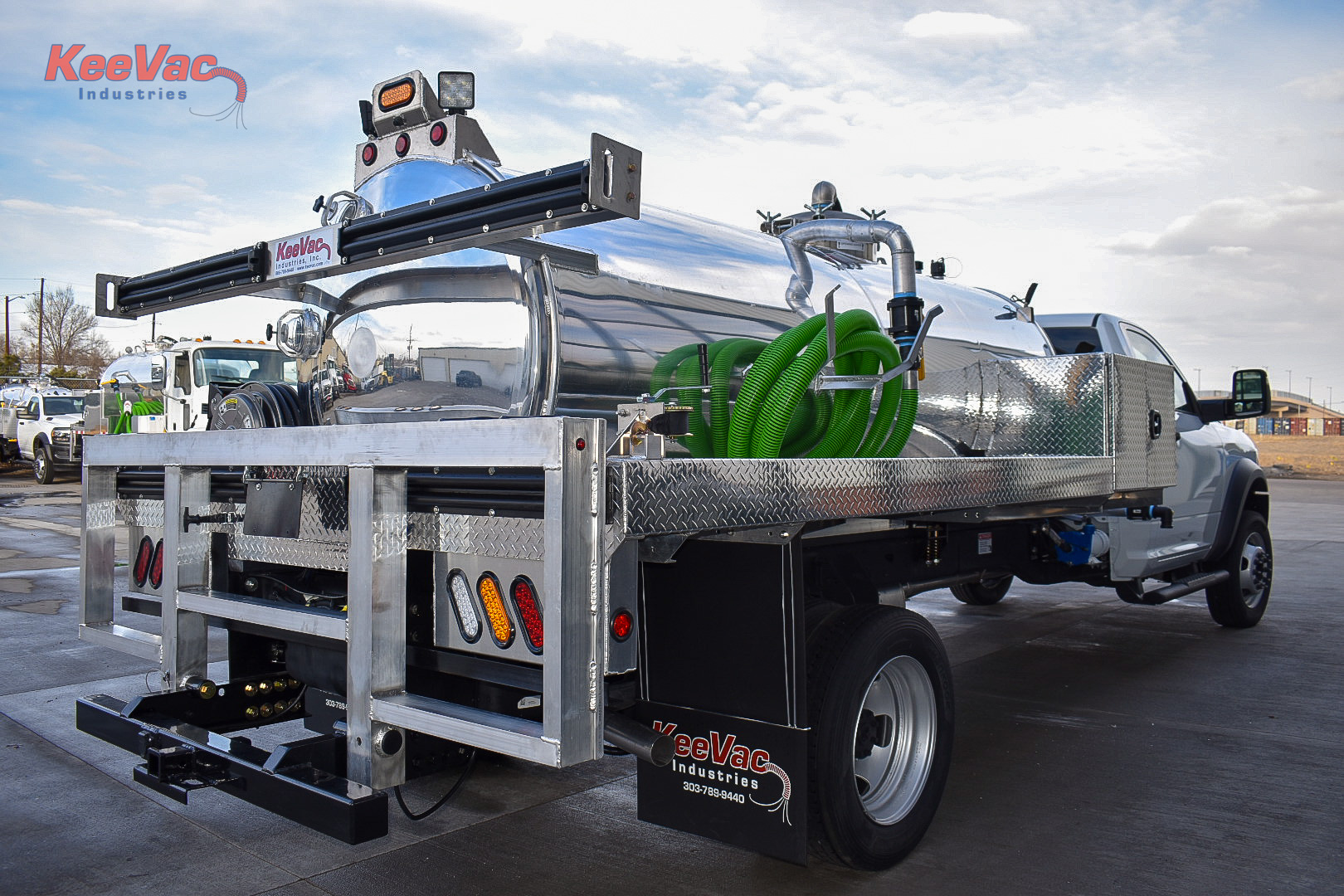
A slide-in vacuum unit is a compact pumping system designed to fit into the bed of a full-size pickup truck. Typically constructed from aluminum or steel, these self-contained units include a tank, vacuum pump, and hose reel, everything needed to handle smaller pumping jobs efficiently. Because they’re modular, slide-ins can be easily removed or swapped between trucks. They’re ideal for startups, light-duty routes, and businesses working in tight spaces or residential neighborhoods.
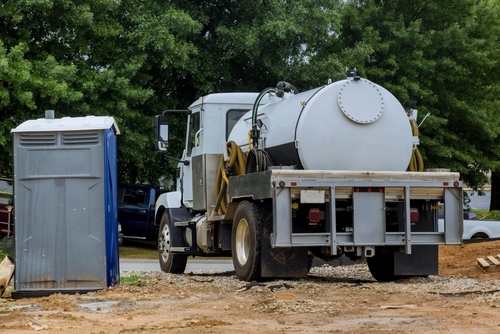
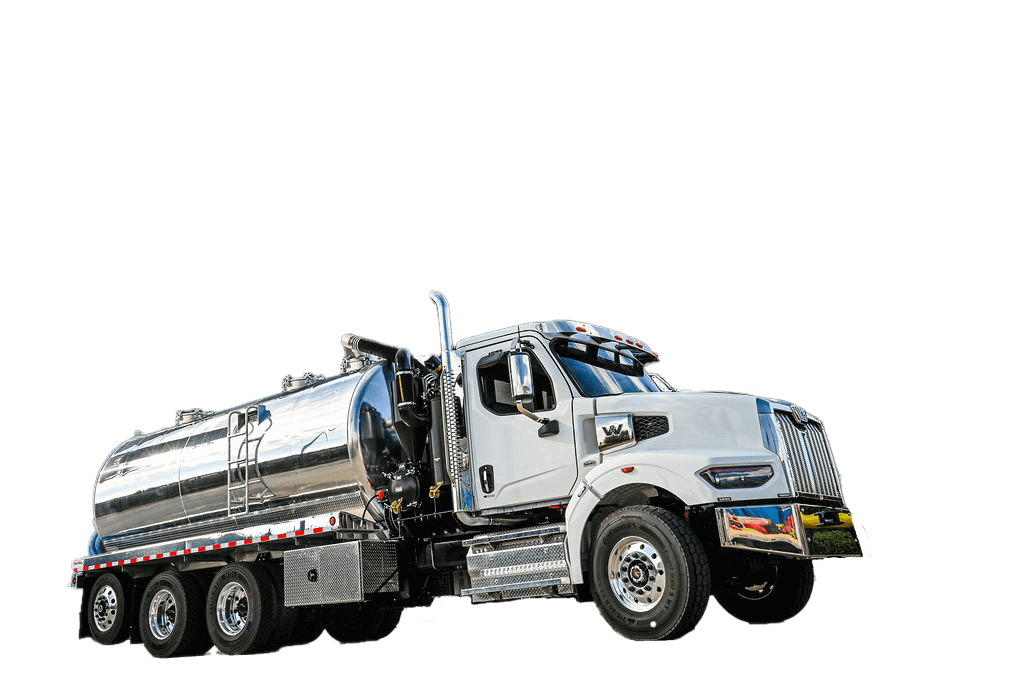
A full-size pumper truck, by contrast, is a dedicated vehicle built from the ground up for vacuum service. The tank is permanently mounted on a commercial chassis such as an International, Peterbilt, Freightliner, Mack, or Kenworth. These trucks are designed for high-capacity hauling, longer runs, and demanding schedules. They carry significantly larger tanks, often between 2,000 and 5,000 gallons, allowing operators to pump more before needing to unload.
While slide-in units prioritize flexibility and affordability, full-size pumpers focus on volume and professional-grade durability. Your choice depends on the types of jobs you perform most frequently and how you plan to expand your service area over time.
Slide-In Vacuum Unit vs Full-Size Pumper: Setup & Install Time
Slide-in units have a clear advantage when it comes to setup time. Once you have a compatible pickup truck, installation is straightforward: simply slide the unit into the truck bed, secure it, and connect the power source. This means you can be operational within a day. For businesses that want to get started quickly or scale their fleet seasonally, that speed and simplicity make a big difference.
A full-size pumper truck, however, involves a more complex build and installation process. The chassis must be selected, delivered, and upfitted with a custom tank, pump, and accessory configuration. Depending on specifications, that process can take several weeks or longer. The trade-off is a purpose-built rig with optimized balance, weight distribution, and long-term durability.
Slide-In Vacuum Unit vs Full-Size Pumper: Maintenance & Uptime
Maintenance requirements vary between the two systems. Slide-in units are relatively easy to maintain since they use smaller pumps and fewer components. Many operators handle routine oil changes and minor repairs in-house, reducing downtime and operating costs. Plus, since the unit is separate from the truck, you can easily swap it to another vehicle if your pickup needs service, keeping your operation running smoothly.
Full-size pumpers require more involved maintenance, often including specialized service for both the truck chassis and the vacuum system. However, these rigs are engineered for heavy use, with industrial-grade pumps and tanks designed to withstand thousands of hours of operation. For established companies running long routes, the reliability and performance justify the added upkeep.
Slide-In Vacuum Unit vs Full-Size Pumper: Cost & Capacity
One of the biggest distinctions between slide-in vacuum units and full-size pumpers is the initial investment. Slide-in systems are the clear entry-level option. Depending on tank material and pump configuration, a new aluminum slide-in unit may cost a fraction of what a full-size pumper requires. This makes it an excellent choice for startups, side businesses, or operators testing new markets.
Full-size pumper trucks represent a higher upfront cost but offer substantially greater capacity. Where a slide-in might hold between 300 and 600 gallons, a dedicated pumper truck often carries 2,000 gallons or more. That means fewer trips to the disposal site and more revenue per route. For businesses managing municipal contracts, large septic systems, or commercial clients, the larger tank size pays dividends in time savings and efficiency.
Slide-In Vacuum Unit: Affordable Flexibility
The affordability of a slide-in vacuum unit extends beyond the purchase price. Because the unit can fit into most full-size pickup trucks, you can use existing vehicles in your fleet rather than purchasing a new chassis. This lowers your total cost of ownership and simplifies insurance and registration. Additionally, aluminum slide-in tanks are lightweight and corrosion-resistant, helping maintain fuel efficiency and longevity.
Full-Size Pumper: Professional Capacity
A full-size pumper, on the other hand, is a long-term investment in operational capacity. These rigs are designed for volume-driven routes and high-demand clients. The additional tank size and pump power enable faster service for large jobs, supporting higher daily revenue potential. While the initial cost is higher, a full-size pumper can generate more profit over time when kept on the road consistently.
Route Types, Parking Limits, and Expansion Plans
Where and how you operate should heavily influence your choice between a slide-in vacuum unit and a full-size pumper. Urban areas with tight streets, limited parking, and residential clients favor compact setups. Rural regions, industrial clients, and municipal work require the efficiency of large-capacity trucks.
Urban and Residential Routes
If you’re servicing residential septic tanks, portable restrooms, or small grease traps in city environments, maneuverability is key. Slide-in units shine here. Their smaller footprint allows you to navigate narrow driveways, crowded lots, and low-clearance areas with ease. You can park where full-size rigs simply can’t fit. That flexibility saves time and improves customer satisfaction, critical for retaining clients in competitive markets.
Rural and Commercial Routes
For rural routes or commercial contracts, full-size pumpers deliver the capacity you need to complete multiple large jobs in one run. Driving longer distances between jobs makes tank size even more important. Fewer dump trips mean more time servicing clients, which increases profitability. If your business serves industrial customers, multi-tank systems, or municipal sewage contracts, a full-size pumper is the right fit.
Slide-In Vacuum Unit vs Full-Size Pumper: Growth Potential
Your growth strategy also plays a major role in deciding which equipment to buy. Slide-in units are perfect for starting small and scaling gradually. You can add more units as your customer base grows or reassign them to niche services such as portable restroom routes or emergency pump-outs. Because they’re modular, they make excellent backup systems when you expand into larger trucks later.
Full-size pumpers, meanwhile, are ideal for established companies with steady routes and predictable demand. Once your operation has consistent daily volume, a full-size rig becomes more efficient on a cost-per-job basis. The higher upfront investment pays off through faster service times, larger tickets, and increased reliability.
When to Upgrade: Adding Trucks vs Scaling Tanks
Deciding when to upgrade from a slide-in vacuum unit to a full-size pumper depends on both workload and logistics. If you’re turning down jobs because of tank limitations or spending excessive time dumping between stops, it may be time to scale up. However, you don’t have to leap straight from one to the other. Many successful companies run mixed fleets, assigning slide-ins to urban or light-duty routes and full-size trucks to heavy routes.
Adding trucks rather than replacing them outright lets you grow capacity in stages. You might start with one slide-in unit, then add another to cover more territory before investing in a large pumper. This strategy helps balance cash flow and ensures every piece of equipment earns its keep.
Slide-In Vacuum Unit vs Full-Size Pumper: Maneuverability & Operator Experience
Ease of use is often overlooked but makes a real difference in day-to-day efficiency. A slide-in unit, being lighter and smaller, is easier to handle for new operators. The learning curve is gentler, and the setup encourages safe, quick operation in confined areas. They’re also easier to transport and store when not in use.
Full-size pumpers require more driver experience and sometimes a CDL, depending on tank size and gross vehicle weight. However, they provide a smoother experience for large-scale pumping, with advanced hose management systems, better suction performance, and integrated features like automatic valves and flow meters. For operators who spend all day pumping, the comfort and power of a full-size rig make a noticeable difference.
Matching Equipment to Revenue Goals
At the end of the day, your equipment choice should align with your business model and revenue targets. Slide-in vacuum units excel in cost-efficiency, allowing you to serve smaller routes profitably and expand gradually. They’re ideal for operators who prioritize flexibility, lower overhead, and rapid deployment. Full-size pumpers dominate in volume-based models, maximizing revenue per route through high-capacity service and fewer unload cycles. They’re best suited for established companies with steady client bases and long-term contracts.
Balancing Your Fleet for Maximum ROI
Many successful pumping businesses eventually maintain a balanced fleet that includes both unit types. Slide-ins handle residential, event, or spot-service jobs, while full-size pumpers manage heavy-duty routes. This combination ensures maximum versatility and uptime, keeping your trucks productive no matter the route type or season.
Partner with KeeVac Industries
Whether you’re starting your first pumping business or upgrading your existing fleet, KeeVac Industries is your trusted partner in high-performance vacuum equipment. Based in Denver, Colorado, KeeVac builds durable, efficient vacuum trucks and slide-in pumper units tailored to your exact needs. We upfit both new and used chassis from licensed dealers, including Ford, Chevrolet, Ram, International, Peterbilt, Freightliner, Mack, Isuzu, and Kenworth. Our aluminum slide-in pumper units are engineered to fit into the full-size bed of nearly any pickup truck, offering a lightweight, long-lasting solution for operators who value flexibility.
From compact slide-ins to full-size septic pump trucks and vacuum tanks, KeeVac Industries provides the right equipment to match your routes, revenue goals, and long-term growth plan. Explore available builds and discover how we can help you equip your business for lasting success.
When you’re operating a septic service business, one of the most important costs to manage is your septic truck insurance cost. The right insurance protects your equipment, drivers, and company from financial losses caused by accidents, property damage, or environmental issues. Septic trucks carry unique risks compared to other commercial vehicles because they transport waste and operate specialized vacuum and pumping systems. Understanding how much septic truck insurance costs per year, what affects those premiums, and how to manage them effectively can make a big difference in your bottom line.
Septic Truck Insurance Cost: Average Annual Premiums
The average septic truck insurance cost can range widely depending on several key variables, including your coverage needs, location, driving history, and the number of trucks in your fleet. Generally, you can expect to pay between $8,000 and $15,000 per truck annually for a comprehensive policy that includes liability, physical damage, and environmental coverage.
Basic Liability Only Coverage: For businesses seeking only minimum liability insurance required by law, premiums often start at around $5,000–$7,000 per year. This type of policy covers bodily injury and property damage, but not damage to your own truck or equipment.
Full Coverage Policies: A full-coverage septic truck insurance policy with physical damage, pollution liability, and cargo protection usually runs between $10,000 and $15,000 per year per vehicle.
Fleet Discounts: Companies operating multiple septic trucks may qualify for discounted rates. For instance, a business insuring five or more trucks could see per-vehicle rates drop by 10–20%.
High-Risk Operators: Companies with prior accidents, environmental claims, or unqualified drivers can expect premiums exceeding $20,000 annually per truck until they demonstrate a clean track record.
Insurance providers determine septic truck premiums based on several core factors that directly influence the level of risk your business presents.
Coverage Levels and Limits
The more coverage you select, the higher your premiums will be. Septic truck operators typically need at least $1 million in liability coverage, though some contracts or state requirements may demand higher limits. Physical damage coverage depends on the truck’s value, often ranging between $50,000 and $200,000 per vehicle. Pollution and environmental liability coverage, critical for septic operators, adds cost but protects you from expensive cleanup and regulatory fines if waste spills occur.
Operating Radius
Your operating radius plays a significant role in determining your septic truck insurance cost. Local haulers who travel within 50 miles of their base generally pay less because their risk exposure is lower. Long-haul or regional septic operations that cover multiple states face higher premiums due to increased road time, diverse traffic conditions, and higher accident probabilities.
Driver Experience and Records
Your drivers are one of the biggest risk factors insurers assess. Companies with experienced, CDL-licensed operators who maintain clean driving records will see substantially lower premiums. New or younger drivers with limited experience can cause rates to rise by 25% or more. Many insurers also factor in your company’s driver training programs, safety procedures, and maintenance practices when calculating risk.
Policy Types: Liability, Physical Damage, Cargo & More
A complete septic truck insurance policy usually combines several types of coverage to provide full protection. Understanding what each component does helps you make smart coverage choices.
General Liability Insurance
This coverage protects your business from third-party bodily injury and property damage claims that occur during your operations, but not necessarily from truck accidents. It’s essential for septic companies that may also perform onsite services such as tank cleaning or pumping.
Commercial Auto Liability
This is the backbone of your septic truck insurance policy. It covers bodily injury and property damage resulting from accidents where your truck is at fault. Most states require a minimum amount of liability coverage, but septic service operators usually carry at least $750,000 to $1 million in limits to comply with industry and contract standards.
Physical Damage Coverage
This coverage includes collision (for accidents) and comprehensive (for non-collision incidents like fire, theft, or vandalism). The cost depends on the truck’s current market value and your chosen deductible.
Pollution & Environmental Liability
Septic trucks are exposed to environmental risk. If waste leaks, spills, or causes contamination, cleanup costs can be astronomical. Pollution liability covers cleanup, legal defense, and third-party damages, making it one of the most crucial add-ons for septic service providers.
Cargo Coverage
Also known as inland marine coverage, this insurance protects the materials you’re hauling. While not all insurers include it automatically, septic operators need to ensure their waste loads are covered during transport.
Uninsured/Underinsured Motorist Coverage
If one of your septic trucks is hit by a driver who doesn’t have enough insurance, this coverage ensures your business isn’t stuck paying for repairs or medical expenses out of pocket.
Septic Truck Insurance Cost: How Safety Programs Cut Rates
One of the most effective ways to reduce septic truck insurance costs is through implementing and maintaining formal safety programs. Insurers reward companies that can demonstrate a strong commitment to safety and risk management.
Vehicle maintenance logs: Showing that your trucks are inspected and serviced consistently.
Telematics systems: Monitoring driver behavior (such as harsh braking or speeding) to identify and correct unsafe habits.
Accident response protocols: Documenting how you handle incidents and claims quickly and responsibly.
Many insurance carriers offer premium discounts of up to 10–15% for businesses that adopt and prove the effectiveness of such programs. Beyond saving money, these programs help prevent accidents and downtime, ultimately protecting your reputation and profitability.
Septic Truck Insurance Cost: Claims History & Deductibles
Your company’s claims history is one of the most influential factors in determining your septic truck insurance cost. Insurers look at the frequency and severity of past claims to predict future risk.
A Clean Claims Record: Businesses with no claims over several years often qualify for preferred rates or policy renewal discounts. Insurers view them as low-risk, disciplined operators.
Frequent or Large Claims: Repeated incidents, such as backing accidents, load spills, or fender benders, signal higher risk, leading to surcharges or policy non-renewals.
Deductibles Matter: Choosing higher deductibles can reduce your annual premiums by 5–20%, but you’ll pay more out of pocket if an accident occurs. Finding the right balance between premium savings and manageable risk exposure is key.
Some carriers also offer loss-sensitive programs, where premiums are adjusted annually based on your actual claims performance. For growing septic service companies, these arrangements can reward proactive safety management.
Working With Brokers and Carrier Requirements
Securing the best septic truck insurance policy involves more than comparing quotes online. Experienced commercial truck insurance brokers can help septic businesses navigate carrier requirements and tailor coverage to their exact operations.
Why Use a Broker?
Access to multiple carriers: Brokers often work with specialized insurers familiar with septic operations, giving you access to better pricing and more comprehensive coverage options.
Customized policy design: They can combine liability, pollution, and physical damage coverage under one tailored package.
Claims advocacy: Brokers help manage claims efficiently, ensuring faster resolutions and minimal downtime.
Carrier Requirements: Insurance carriers typically ask for:
Driver lists and MVRs (Motor Vehicle Records)
Equipment lists and values
Operating radius and hauling details
Loss runs from previous insurers (3–5 years)
Proof of safety or maintenance programs
Meeting these requirements promptly and thoroughly can help speed up the underwriting process and potentially lower rates.
Ways to Lower Your Septic Truck Insurance Cost
Even though insurance is a necessary expense, there are smart strategies to keep your premiums under control:
Bundle policies with one carrier to earn multi-policy discounts.
Install GPS and telematics devices to monitor routes and driver performance.
Hire experienced drivers with clean records and provide refresher training regularly.
Increase your deductible if you can comfortably afford minor losses.
Shop around annually or have your broker do it for you. Market conditions change, and a new carrier might offer better rates.
Invest in safety technology like backup cameras and proximity alarms to reduce preventable accidents.
Proactive management not only saves money but also builds a stronger insurance profile that benefits your business long-term.
Protect Your Septic Fleet and Grow Confidently
Managing your septic truck insurance cost isn’t just about finding the cheapest premium; it’s about building a policy that protects your assets, your employees, and your future. A well-structured policy shields your company from financial losses and helps maintain operational stability even when unexpected events occur.
If you’re ready to upgrade your septic fleet or expand your services, KeeVac Industries is here to help. Based in Denver, KeeVac Industries builds reliable, high-quality vacuum trucks and slide-in pumper units for septic professionals across the country. We use new and used chassis from Ford, Chevrolet, Ram, International®, Peterbilt, Freightliner, Mack, Isuzu, and Kenworth, all sourced from licensed dealers. Whether you need a custom septic pump truck, a vacuum tank, or one of our aluminum slide-in pumper units that fit most full-size pickup beds, our team can design the right build for your needs.
Explore our inventory, request a quote, and see how we can help your business run more efficiently, safely, and profitably.
If you are in the portable sanitation business, one of the first big investments you will make is a vacuum truck. The portable restroom truck cost can vary widely depending on several factors, from the size of the tank to the chassis brand, the power of the pump, and the level of customization you choose. Understanding what goes into pricing and what you are really paying for will help you make a smart purchase that fits your budget and your long-term business needs.
Portable Restroom Truck Cost: Typical Price Range & Inclusions
A new portable restroom truck typically costs between $65,000 and $150,000, though highly customized models can go beyond that range. The spread is broad because no two trucks are quite the same. A base model will include a vacuum tank, pump system, hoses, and fittings mounted on a new chassis. From there, the cost depends on whether you want additional storage cabinets, dual service tanks, advanced power take-off (PTO) configurations, upgraded suspension, or specialized upfits for efficiency.
A used truck can cut that cost down significantly, often starting around $30,000 to $60,000, but that comes with trade-offs in warranty coverage, longevity, and potential downtime. More on that later.
At a baseline, the purchase price includes the truck chassis, the tank system, the pump, and the labor to integrate those components. What you get beyond that, stainless steel hose reels, larger tank capacity, or slide-in units, is where costs start to scale up.
Portable Restroom Truck Cost: Materials vs Labor & Custom Fabrication
It is important to understand what portion of your investment goes into materials and what goes into labor. For example, a high-quality aluminum tank costs more upfront but saves weight and reduces corrosion risks compared to a steel tank. Fabrication labor can also vary depending on whether you choose standard specs or custom designs. Custom fabrication adds time and cost but can pay off by improving your workflow, helping crews complete more service calls per day, and reducing long-term maintenance issues.
The largest drivers of cost are the core components of the truck. Let’s break down each factor in detail.
Tank Size and Material: Tank capacity ranges from about 300 gallons (ideal for slide-in units) to more than 2,500 gallons for full-size trucks. The larger the tank, the higher the cost. Materials also play a role; aluminum tanks are popular for weight savings and corrosion resistance, while steel tanks may be more affordable initially but heavier and prone to rust.
Pump System: The pump is the heart of a vacuum truck. Options range from basic 150 CFM vacuum pumps up to high-powered pumps capable of 400 CFM or more. A stronger pump allows for faster service and easier handling of difficult jobs, but the upgrade comes at a premium.
Chassis Selection: The chassis often represents 40 to 50 percent of the total price. Common brands include Ford, Chevrolet, Ram, International, Peterbilt, Freightliner, Mack, Isuzu, and Kenworth. Each comes with different cab sizes, weight ratings, and powertrains. Heavy-duty chassis like Peterbilt or Freightliner cost more than light-duty Ford or Ram pickups, but can handle larger payloads and last longer under heavy use.
Upfits and Customization: Extra storage compartments, dual-tank setups, stainless-steel plumbing, and advanced PTO-driven pump systems all add to cost. Some operators also request custom hose reels, LED lighting packages, or heated compartments for cold-weather climates. These upfits may add thousands of dollars but can save operators significant time and frustration on the job.
Portable Restroom Truck Cost by Payload, PTO, and Vacuum Specs
The payload rating of your truck determines how many units you can service before returning to dump. Higher payloads mean larger upfront costs but fewer trips and better productivity. PTO setups, which allow the pump to draw power directly from the truck’s engine, increase efficiency but also add cost compared to engine-driven or clutch-driven pumps. Vacuum specifications are another hidden cost factor; high-CFM pumps require more robust PTO configurations, reinforced plumbing, and higher-grade hoses, all of which add to the total build price.
New vs Used: Financing, Lead Times, and Resale Value
When deciding between new and used, the math extends beyond just sticker price.
New Trucks: A new build can cost upwards of $100,000, but you benefit from full manufacturer warranties on both the chassis and the pump system. Lead times for new trucks can range from a few months to half a year, especially if the truck requires custom fabrication or if there are supply chain delays. Financing options are more flexible for new vehicles, with lenders often offering longer repayment terms at lower interest rates.
Used Trucks: Used trucks can save you 30 to 50 percent on purchase price. However, they may come with limited warranty coverage and hidden maintenance costs. Lead times are shorter since the truck is ready to go, but you may need to invest upfront in repairs or upgrades.
Resale Value: A well-maintained new truck holds value over the long term and can command a strong resale price. Used trucks depreciate faster, and resale values vary widely depending on age, mileage, and service history. The key is the total cost of ownership over five to ten years, not just what you pay on day one.
Warranty, Service Intervals, and TCO Planning
The total cost of ownership (TCO) is where many operators underestimate their expenses. Factor in fuel, insurance, maintenance, downtime, and resale value to get a true picture of cost.
Warranty Coverage: A new chassis often comes with a 3-year/36,000-mile basic warranty, while pump and tank components may carry 1- to 2-year warranties. This coverage can significantly reduce early maintenance costs.
Service Intervals: Routine oil changes, pump rebuilds, tank inspections, and hose replacements add up. A strong preventive maintenance program ensures uptime, but should be budgeted as part of your truck’s annual operating cost.
Long-Term Planning: Think of your truck as a revenue-generating asset. The more efficient it is, the faster it pays for itself. A larger tank and higher-capacity pump may seem expensive upfront, but can reduce daily trips, cut fuel costs, and increase billable services. In that sense, the most expensive truck may actually be the cheapest when you calculate revenue per day against ownership costs.
Making the Right Investment
The bottom line is that portable restroom truck cost depends on a blend of capacity, power, durability, and customization. While you can find a starter truck for under $60,000, most professional operators invest between $80,000 and $130,000 for a new build that can handle years of daily work. Consider not just the sticker price but the financing terms, warranty protection, and total cost of ownership.
At KeeVac Industries, we specialize in matching businesses with the right truck for their needs. Whether you want a brand-new International or Peterbilt build, a reliable used Ford or Ram chassis, or a cost-effective aluminum slide-in pumper unit, our Denver-based team can help. We work exclusively with licensed dealers to source new and used chassis and can custom-build septic pump trucks and vacuum tanks to your specifications.
If you are ready to invest in your business with a reliable, high-performance truck, contact us today. Explore our full lineup of portable restroom trucks, septic pump trucks, and aluminum slide-in units designed to fit the full-size bed of almost any pickup. Our customer-first team is here to answer your questions, walk you through financing, and help you get on the road with a truck built to last.
If you are planning to expand your pumping or wastewater service business, one of the first questions you might ask is: how much does a grease trap truck cost? The answer is not a simple number because multiple factors drive the final price tag. From the tank’s material to the pump style, filtration system, and even the truck chassis you choose, every specification plays a role. Costs vary significantly between starter builds designed for local routes and heavy-duty fleet trucks meant to handle high-capacity contracts. Understanding these differences will help you make the right investment for your business.
Grease Trap Truck Cost: What You’ll Pay & Why
Grease trap truck prices range widely, typically starting around $60,000 for smaller builds and climbing well above $200,000 for premium, high-capacity models. What drives this range is the combination of new or used chassis, tank material, pump system, and specialized add-ons. Each choice influences both upfront cost and long-term operating expenses. A company that primarily services local restaurants may be able to operate effectively with a budget build, while regional or municipal contracts usually demand higher-capacity trucks that require a premium investment.
Grease Trap Truck Cost: New vs Used vs Refurbished
The biggest factor influencing your budget at the start is whether you buy new, used, or refurbished. A new grease trap truck offers the latest technology, full warranty coverage, and peace of mind about reliability. Expect to pay the highest upfront cost, but you gain longer service life and fewer repair surprises.
A used truck lowers initial investment but can come with unknowns. If you purchase from a reputable dealer who inspects and services the vehicle, you can find solid value. However, hidden wear on pumps or tanks can result in higher maintenance costs later.
Refurbished builds strike a balance. These are used chassis or tanks that have been rebuilt and customized to customer specifications. A reliable refurbisher can deliver nearly new performance at a fraction of the price, making this option attractive for businesses growing cautiously into grease trap pumping.
Several core components drive the cost of a grease trap truck beyond the chassis itself. Each deserves careful consideration.
Tank Material: The vacuum tank is one of the largest expenses. Steel tanks are durable and long-lasting, but add weight, which impacts fuel efficiency. Aluminum tanks cost more upfront but save in operating costs by being lighter, which allows for more payload and less wear on the chassis. The right choice depends on whether durability or long-term efficiency matters more for your routes.
Pump Choice: Pumps range from budget-friendly diaphragm or vane pumps to premium blower-style pumps designed for continuous heavy-duty operation. PTO-driven pumps add efficiency by using the truck’s power take-off system, while standalone hydraulic pumps may be better suited for specialized use.
Filtration & Hoses: Grease trap trucks must deal with thick, viscous waste. That requires strong suction and reliable filtration. Higher-end filtration systems prevent clogs, reduce downtime, and extend pump life. Hose diameter and quality also matter. Investing in premium hoses that can withstand chemical and temperature extremes lowers replacement costs over time.
Grease Trap Truck Cost: Pump Curves, PTO, and Power Options
Not all pumps are created equal, and choosing the right one impacts both cost and daily performance. Pump curves show how much flow a pump can deliver at varying pressures. A budget pump might handle 150–200 CFM (cubic feet per minute), while premium pumps exceed 400 CFM, cutting service times significantly.
PTO-driven pumps are often preferred for efficiency since they use the truck’s engine to provide power, eliminating the need for separate motors. However, this can add to chassis wear if not maintained. Hydraulic power options are more flexible but typically more expensive. Businesses should weigh whether the upfront pump investment saves enough time in route efficiency to justify the cost.
Budget Build vs Premium Spec: Which Fits Your Routes?
Not every business needs a premium grease trap truck. In fact, for many companies, starting small and scaling up is the smarter play.
A budget build may include a used Ford or Ram chassis, a smaller steel tank (around 800–1,000 gallons), and a mid-range pump. This setup is perfect for local restaurant service routes where multiple stops are close together. Budget builds typically cost in the $60,000–$90,000 range, depending on condition.
A premium spec truck, by contrast, might feature a brand-new Freightliner or Peterbilt chassis, a lightweight aluminum tank with 2,000–3,600 gallon capacity, a high-performance blower pump, and a top-tier filtration system. These trucks are designed for municipal contracts, long-haul routes, or high-volume grease trap services. Expect to pay $150,000–$250,000 or more for these heavy-duty builds.
Financing, Insurance, and Operating Expenses
Even once you select your build, you need to account for the total cost of ownership. Financing spreads out payments but adds interest. Insurance premiums are higher for new, higher-value trucks. Operating expenses, including fuel, routine maintenance, and pump service, must be considered in your budget. A cheaper upfront build might lead to higher operating costs, while premium builds, though expensive at first, often save money over the long haul by reducing downtime and increasing efficiency.
Build Your Perfect Truck with KeeVac Industries
When it comes to grease trap trucks, there is no one-size-fits-all answer. Your business needs determine whether a budget-friendly refurbished build or a brand-new premium fleet truck makes the most sense. At KeeVac Industries, we specialize in helping you find the right balance. Based in Denver, we are a trusted vacuum truck upfitter working with new and used chassis supplied by licensed dealers, including Ford, Chevrolet, Ram, International®, Peterbilt, Freightliner, Mack, Isuzu, and Kenworth.
We offer a wide variety of septic pump trucks and vacuum tanks for sale to fit your specific needs. If you need flexibility, our aluminum slide-in pumper units fit into the full-size bed of almost any pickup truck, allowing you to start small without sacrificing professionalism. Whether you are adding your first grease trap truck or expanding into a fleet, our team will help you configure a build that matches your routes, your budget, and your long-term goals.
Contact us today to explore our available trucks, request a custom build, or discuss financing options. Let us help you invest wisely in the equipment that keeps your business running strong.
Choosing the best vacuum trucks for septic pumping isn’t just about horsepower or shiny paint—it’s about matching real-world jobs to equipment that’s built to perform day in and day out. Whether you run a single truck or a multi-state fleet, the “best” choice boils down to smart specs, proven components, and a service partner who stands behind the build.
Top-Rated Vacuum Trucks for Septic Services
Best Brands to Consider
When contractors say a truck is “top-rated,” what they usually mean is: it pumps reliably, it’s easy to maintain, and it earns its keep. That comes from three places—the chassis, the vacuum system, and the upfitter who integrates everything and supports you after the sale.
Chassis brands you’ll see under proven septic builds include Ford, Chevrolet, Ram, International®, Peterbilt, Freightliner, Mack, Isuzu, and Kenworth. Each has strengths. For example, lighter-duty domestic pickups can be perfect for slide-in units and tight residential routes, while Class 6–8 vocational chassis (think International®, Peterbilt, Freightliner, Mack, Kenworth) offer heavier payloads, bigger tanks, and air brakes for long days and highway miles.
Vacuum component brands often trusted by septic pros include Moro, Jurop, NVE (National Vacuum Equipment), and Masport for pumps and blowers; Hannay for hose reels; and Betts or Civacon for valves and fittings. Quality components reduce downtime and make it easier to source parts in a pinch.
Upfitters (the builders who design and install the tank, plumbing, controls, and accessories) make all the difference. A great upfitter tailors the tank size, weight distribution, pump choice, controls layout, lighting, and safety gear to your routes and local regulations. They also help with in-stock solutions, custom builds, and reliable after-sale support.
Bottom line: When you’re comparing “best” trucks, look at the builder’s track record integrating high-quality pumps, valves, and tanks on the chassis brand you prefer—and ask how easily they can source parts and service your unit.
Key Features for Septic Pumping
Top-rated septic trucks tend to share these characteristics:
Right-sized tank for your routes (common sizes range from 1,000–4,000+ gallons); bigger isn’t always better if you’re navigating tight neighborhoods or weight-restricted bridges.
Vacuum pump/blower sized for the material you handle most, with the CFM and HG you need to keep jobs on schedule. Septic pros often prioritize fast recovery times and reliable seals.
Corrosion-resistant tank materials (aluminum or stainless) to combat wastewater chemistry and extend service life.
Smart plumbing and controls—clean hose runs, accessible valves, and intuitive control placement that makes the operator’s job safer and faster.
Weight and balance engineered to protect axles and tires and keep the truck stable while loaded or partially loaded.
Serviceability—clear access to filters, pump oilers, PTOs, and relief valves.
User Reviews and Feedback
Contractors who love their trucks often highlight:
Consistent suction and quick job turnaround. Reliable vacuum performance is non-negotiable, especially on emergency calls.
Easy clean-out and wash-down. Thoughtful drain placement, rinse ports, and ladder/handhold design save time and keep crews safer.
Operator comfort. Good visibility, ergonomic controls, hose storage that reduces lifting strain, and lighting packages that turn early mornings into safer starts.
Uptime and parts availability. Builders with domestic parts pipelines and responsive tech support get rave reviews when operations scale or seasons spike demand.
If feedback trends negative, it’s usually about under-spec’d pumps, awkward plumbing layouts, or limited in-stock parts—all avoidable with the right upfitter.
What Makes a Truck Ideal for Septic Pumping
Tank Material and Durability
The tank is your income-producing asset, and its durability sets the tone for total cost of ownership.
Aluminum tanks are popular for their light weight (more payload on the same chassis), strong corrosion resistance, and clean look. They’re a great match for residential septic routes where you make more stops and value nimble maneuvering.
Stainless steel tanks offer excellent corrosion resistance and long life, especially if you encounter aggressive wastewater chemistry or run in areas with road salt. Stainless can add weight, so match it to your axle ratings and payload needs.
Coatings and weld quality matter. Look for continuous welds, internal baffling to control surge, and compliance with DOT/ASME considerations where applicable.
Mounting and subframes should distribute weight evenly and allow for tank flex without stressing the chassis. Ask how the builder addresses frame drilling, isolators, and maintenance access.
Pro tip: Consider your average load, distance between dumps, and terrain. A lighter tank may let you carry more product legally on the same axles—boosting route efficiency.
Hose and Pump Power
If the tank is your profit center, the pump is the heart that feeds it.
CFM and vacuum (inches Hg) determine how quickly you can move waste and how well you can handle long pulls or deeper tanks. Matching pump size to typical hose lengths and elevations you encounter prevents sluggish performance.
Material compatibility is essential. Septic waste demands robust seals and oilers. Many operators prefer pumps with proven track records in wastewater to minimize unplanned downtime.
Hose management can change your day. Heated or enclosed reels in cold climates, swivel connections to reduce kinks, and thoughtful storage on both sides of the truck help operators set up faster and work safer.
Power take-off (PTO) vs. auxiliary power: PTO-driven systems are common and efficient; verify that your chassis PTO provisions and ratios align with the pump requirements. Idle-reduction strategies can also save fuel when you’re stationary for long pulls.
Pro tip: Bring your longest real-world hose scenario to the spec conversation. If the pump is sized for your worst day, every other day feels easy.
Operator Safety Features
A truck that protects your crew protects your business.
Non-slip catwalks and ladders with handholds reduce falls—especially in wet conditions.
Lighting packages (work lights, beacons, perimeter LEDs) turn dim sites into safe job zones.
Emergency shutoffs and relief valves reduce risk if a line clogs or a valve is left closed.
Back-up cameras and alarms help in crowded residential driveways and tight job sites.
Hose handling aids—reels, boom arms, or guides—cut strain and repetitive lifting injuries.
Clearly labeled valves and controls reduce mistakes during high-tempo work.
Ask your builder how safety is designed into the layout—not just added on at the end.
Buying New vs. Used for Septic Pumping
Pros and Cons of New
Pros
Tailored spec: Build the exact tank size, pump, plumbing, and storage you need for your routes.
Latest components: New pumps, valves, PTOs, and controls with full warranties.
Longer service life and predictable maintenance: Start with zero hours and build a maintenance plan from day one.
Compliance made easy: Emissions, lighting, braking, and weight distribution can be engineered to current standards.
Cons
Higher upfront cost: You’re paying for a new chassis, tank, and components.
Lead times: Custom builds can take time; plan ahead for seasonality or growth.
Insurance and taxes: Often higher than on used equipment.
Best for: Growth-minded operators, fleets standardizing on a spec, or companies targeting niche routes (e.g., tight urban cores, mountain towns, or long rural runs) that benefit from precise tank and pump choices.
Pros and Cons of Used
Pros
Lower acquisition cost: Useful for adding capacity fast or testing a new service area.
Faster availability: If a unit is on the lot and passes inspection, you can put it to work quickly.
Proven platforms: Certain chassis and pump pairings are well known by local mechanics and parts houses.
Cons
Unknowns: Tank thickness, internal condition, pump hours, and past repairs may not be obvious.
Higher near-term maintenance: Seals, hoses, valves, and PTO components might be due for replacement sooner.
Spec compromises: You might accept a sub-optimal tank size or layout to secure a deal.
Best for: Contractors who need immediate capacity, are comfortable with inspections and refurb, or want a lower-risk entry into a new territory or service line.
Final Tips Before Purchasing
Start with routes, not trucks. Map your average and peak day: number of stops, typical volumes, dump station distance, and tightest access points. Let that drive tank size, wheelbase, and pump selection.
Right-size the chassis. Work backward from fully loaded curb weight with water and hoses on board. Confirm axle ratings and frame strength with your upfitter.
Choose your pump like a profit lever. A bit more CFM or vacuum can pay off dramatically if you run long pulls or heavy sludge. Ask about oilers, filtration, and service intervals.
Think ergonomics. Dual-side hose connections, easy-to-reach valves, good ladder angles, and labeled controls shorten training time and reduce operator fatigue.
Plan for parts and service. Ask your builder about parts stocking, phone support, and turnaround times. Downtime is the enemy of ROI.
Inspect used with a checklist. Verify tank thickness and integrity, check pump hours and performance, inspect welding, look for uneven tire wear (weight distribution), and test every valve.
Budget for accessories that save backs and minutes. Work lights, hose reels, boom arms, tool storage, and wash-down kits pay for themselves quickly.
Future-proof where you can. If you expect to add grease traps or portable sanitation later, spec quick-connects or storage now to avoid rework.
Why Partner with KeeVac Industries
If you want a seamless buying experience—and a truck built to your routes—partner with a builder who knows septic inside and out. KeeVac Industries is a Denver-based vacuum truck upfitter focused on practical, operator-friendly builds and long-term support. We work with new and used chassis from Ford, Chevrolet, Ram, International®, Peterbilt, Freightliner, Mack, Isuzu, and Kenworth, supplied by licensed dealers, so you can match the platform you prefer with the tank and pump spec you need.
We offer a variety of septic pump trucks and vacuum tanks for sale, and we specialize in slide-in pumper units—a powerful way to add capacity without a dedicated heavy chassis. Our aluminum slide-in pumper units are designed to fit into the full-size bed of almost any pickup truck, giving owner-operators and municipal teams a flexible way to service tight neighborhoods, gated communities, or emergency call-outs where a big rig just won’t fit.
Beyond metal and horsepower, you’ll find a team committed to customer service: clear communication, honest lead times, and builds that emphasize safety, uptime, and easy maintenance.
Contact Us Today
Ready to spec the best vacuum trucks for septic pumping for your routes? Let’s design a build that boosts productivity today and scales with you tomorrow. Contact us to explore new or used chassis, compare tank materials and sizes, and select the right pump and accessories for your work. Whether you need a full-size septic truck or a nimble aluminum slide-in pumper unit for your pickup, our team will help you choose and customize a solution that fits your exact needs—and backs it with responsive support.