Chase Augenstein leads content and marketing for KeeVac Industries, a Denver-based builder of septic trucks, grease trucks, portable restroom trucks, and slide-in pumper units. He covers the practical side of vacuum truck ownership, from choosing the right tank and pump setup to keeping equipment running reliably on the road, drawing on KeeVac's hands-on experience building trucks for real-world service work.
Portable restrooms have become an essential part of many outdoor events, construction sites, and other venues where permanent restroom facilities are not available or feasible. These facilities are typically housed in portable restroom vehicles, which are designed to transport and service the portable restrooms. Maintaining high hygiene standards in these vehicles is crucial to ensure the health and satisfaction of the users. In this blog post, we will explore the importance of hygiene standards in portable restroom vehicles and discuss some best practices to achieve and maintain them.
1. The Role of Portable Restroom Vehicles:
Portable restroom vehicles play a vital role in maintaining hygienic conditions in portable restrooms. These vehicles are responsible for transporting the restrooms to the desired locations and ensuring that they are serviced regularly. They are equipped with tanks for water and waste disposal, as well as various cleaning and maintenance equipment. By upholding hygiene standards in these vehicles, we can ensure that portable restrooms are clean, sanitary, and pleasant to use.
2. Effective Cleaning and Sanitization:
Cleaning and sanitization are the cornerstones of maintaining hygiene in portable restroom vehicles. These vehicles should be cleaned thoroughly and regularly to prevent the buildup of dirt, bacteria, and unpleasant odors. Surfaces should be scrubbed, and any waste or debris should be removed promptly. Additionally, all water tanks and hoses should be disinfected to prevent contamination.
3. Proper Waste Disposal:
Waste disposal is a critical aspect of maintaining hygiene standards in portable restroom vehicles. Waste tanks should be emptied regularly to prevent overflow or leakage. It is essential to follow proper waste disposal regulations and guidelines to ensure the safe and environmentally friendly handling of waste. Regular, scheduled waste disposal should be a priority to prevent any inconvenience to the users and maintain a clean and hygienic environment.
4. Adequate Ventilation:
Proper ventilation is crucial in portable restroom vehicles to maintain a fresh and odor-free environment. Ventilation systems should be well-maintained to ensure an adequate flow of air and prevent any buildup of unpleasant odors. Ventilation fans and filters should be cleaned regularly to maintain their effectiveness. A well-ventilated vehicle will contribute to a more pleasant user experience and reduce the risk of the spread of airborne bacteria.
5. Hand Hygiene:
Promoting hand hygiene is essential in portable restroom vehicles to prevent the spread of germs and bacteria. Vehicles should be equipped with handwashing stations with running water, soap dispensers, and paper towels. It is crucial to encourage users to wash their hands thoroughly after using the restrooms. Regularly replenishing water and soap supplies in the vehicles is necessary to ensure that proper hand hygiene can be practiced.
6. Pest Control:
Proper pest control measures should be implemented in portable restroom vehicles to prevent infestations and maintain hygiene standards. Pest control professionals should be engaged regularly to inspect and treat the vehicles for pests such as flies, ants, and rodents. By keeping the vehicles pest-free, the risk of contamination and the spread of diseases can be minimized.
7. Regular Maintenance and Inspections:
Regular maintenance and inspections of portable restroom vehicles are crucial to identify any issues and address them promptly. Any leaks, malfunctioning equipment, or damage should be repaired immediately to ensure the vehicles are functioning optimally. Regular inspections also help identify any potential hygiene breaches and allow for corrective actions to be taken promptly.
Conclusion:
Maintaining high hygiene standards in portable restroom vehicles is essential to provide clean and sanitary facilities for users. Effective cleaning and sanitization, proper waste disposal, adequate ventilation, promoting hand hygiene, pest control, and regular maintenance and inspections are all crucial aspects of achieving and maintaining these standards. By adhering to these best practices, portable restroom service providers can offer optimal hygiene conditions to their customers, ensuring a positive and satisfactory experience for all.
Got Questions? Let Us Help!
Keevac Industries is proud to carry a large selection of portable restrooms, septic, grease, slide-ins, and tank inventory. Our knowledgeable and friendly staff are eager to help you find exactly what you are looking for. As your trusted vacuum truck manufacturer, we can build service trucks to your specifications. We offer nationwide shipping as well as international if needed. Give us a calltoday to get your vacuum truck project started!
Portable restroom servicing plays a crucial role in maintaining cleanliness and hygiene at outdoor events, construction sites, and public spaces. Efficient and reliable portable restroom vehicles are essential for this task, ensuring optimal functionality and convenience. In recent years, significant innovations have emerged in the portable restroom vehicle industry, revolutionizing the way these vehicles operate and enhance the overall experience for both operators and users. In this blog post, we will discuss some of the key advancements in portable restroom vehicle technology that have transformed the industry.
1. Smart Fleet Management:
One of the most notable advancements in portable restroom vehicle technology is the integration of smart fleet management systems. These systems utilize various sensors and data analytics to monitor and manage the fleet more effectively. Real-time data tracking helps fleet operators optimize routes, ensuring timely servicing and avoiding unnecessary trips. Moreover, remote monitoring of vehicle performance allows for proactive maintenance, reducing downtime and improving overall efficiency.
2. Environmental-Friendly Solutions:
The quest for more sustainable and environmentally-friendly solutions has led to the development of portable restroom vehicles that minimize their carbon footprint. Manufacturers are incorporating technologies such as hybrid or electric powertrains to reduce emissions and noise pollution. With these vehicles, operators can provide their services while contributing to a healthier and greener environment.
3. Enhanced Waste Management:
Efficient waste management is a critical aspect of portable restroom vehicle technology. Innovations in this area have resulted in vehicles with advanced vacuum systems, automated waste disposal mechanisms, and improved odor control technology. These features facilitate faster and cleaner waste evacuation, reducing the time and effort required for servicing. Additionally, the integration of eco-friendly waste treatment systems allows for better waste disposal practices, promoting a cleaner and more sustainable operating environment.
4. Intelligent User-Friendly Designs:
Portable restroom vehicles are no longer just functional; they are now designed to enhance the user experience as well. User-friendly features such as ergonomic design, easy-to-use controls, and enhanced accessibility options are being incorporated into the vehicles. For instance, ramps and lifts make it easier for people with disabilities to use the facilities, ensuring inclusivity and equal access for all individuals. Furthermore, the integration of automated cleaning systems ensures that the restrooms are always clean and hygienic for users.
5. Advanced Tracking and Security Systems:
Portable restroom vehicle operators can now benefit from advanced tracking and security systems integrated into these vehicles. GPS trackers and real-time monitoring solutions ensure fleet operators always know the location and status of their vehicles. This not only helps optimize routes but also enhances the overall security of the fleet. In the event of theft or unauthorized use, these systems facilitate swift recovery and mitigate the risk of financial loss.
6. Telematics Integration:
The integration of telematics technology in portable restroom vehicles has played a significant role in improving operational efficiency. Telematics allows for the remote monitoring of vehicle diagnostics, fuel consumption, and maintenance needs. Operators can access this information in real-time, enabling proactive maintenance scheduling and reducing costly breakdowns. Telematics also provides valuable insights into driver behavior, allowing fleet managers to implement training and incentives for safer and more fuel-efficient driving practices.
Conclusion:
The innovations in portable restroom vehicle technology have revolutionized the way these vehicles operate and provide services. Smart fleet management systems, environmental-friendly solutions, enhanced waste management capabilities, user-friendly designs, advanced tracking and security systems, and telematics integration are some key advancements shaping the industry. As these technologies continue to evolve, portable restroom vehicles will become even more efficient, environmentally friendly, and user-focused, ensuring a superior portable restroom experience for all.
Got Questions? Let Us Help!
Keevac Industries is proud to carry a large selection of portable restrooms, septic, grease, slide-ins, and tank inventory. Our knowledgeable and friendly staff are eager to help you find exactly what you are looking for. As your trusted vacuum truck manufacturer, we can build service trucks to your specifications. We offer nationwide shipping as well as international if needed. Give us a calltoday to get your vacuum truck project started!
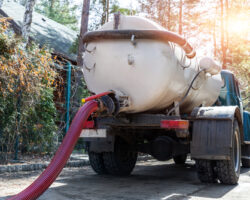
If you run septic, grease, portable sanitation, or industrial routes, the vacuum truck is the machine your whole operation is built around. This guide explains what a vac truck is, how the vacuum system works, the main types, and how to choose one, so you can compare vacuum trucks for sale knowing exactly what your work needs.
What Is a Vacuum Truck?
A vacuum truck is a truck with a mounted vacuum pump and a sealed tank. The pump pulls liquids, sludge, and slurry up through a hose and into the tank, where the load stays until the truck hauls it to a disposal or treatment site. One truck handles suction, storage, and transport.
You’ll also hear it called a vac truck, vacuum tanker, vacuum tank truck, vacuum pump truck, pumper truck, suction truck, or, informally, a “suck truck.”
Every vacuum truck is built around the same core parts: a vacuum pump, a storage tank, hoses and valves, and a chassis to carry it all. The next section explains how they work together.
How Does a Vacuum Truck Work?
A vacuum truck works on a pressure difference. The pump lowers the pressure inside the tank, and normal air pressure outside does the pushing. Here’s a typical load cycle:
Power: The truck’s PTO (power take-off) or a separate engine drives the vacuum pump.
Vacuum: The pump pulls air out of the sealed tank, creating negative pressure inside it.
Suction: The operator opens the valve, and atmospheric pressure pushes waste up the hose and into the tank.
Protection: A primary shutoff and a secondary shutoff (moisture trap) stop liquid from reaching the pump as the tank fills.
Haul: The operator closes the valves and drives the load to an approved disposal or treatment site.
Offload: The tank empties by gravity through the rear valve, or by pressure when the pump is reversed to push the load out.
Main Components
Vacuum pump: Creates the vacuum that fills the tank, and on many builds pressurizes it to offload.
Tank: The sealed vessel that holds the load, usually built from steel or aluminum.
Hoses and valves: The intake hose, valves, and plumbing that control flow in and out of the tank.
Shutoffs and relief valves: Primary and secondary shutoffs keep liquid out of the pump; relief valves release excess pressure or vacuum.
Sight glass or level gauge: Shows the operator how full the tank is.
Chassis: The truck that carries the system; its weight rating limits how large a tank it can carry.
Vacuum Pump Types
The pump decides how fast a truck loads and what material it can move. There are three main types:
Rotary vane pumps: The common choice for septic, grease, and portable restroom work, where loads are mostly liquid and sludge.
Positive displacement blowers: Move more air (higher CFM), which suits industrial cleanup and drier material.
Liquid ring pumps: Built for continuous duty, where the pump runs for long periods without a break.
Uses of Vacuum Trucks
Septic and waste management: Pumping septic tanks and hauling sewage, septage, grease, and other liquid waste from homes, businesses, and industrial sites.
Municipal work: Cleaning storm drains, catch basins, and sewer lines.
Construction: Dewatering excavations and clearing mud, slurry, and debris from job sites.
Industrial maintenance: Removing sludge, liquids, and debris from tanks, pits, and pipelines.
Oil and gas: Handling drilling mud, spills, and waste fluids around drilling operations.
Spill response: Recovering spilled liquids and contaminated material during environmental and industrial cleanup.
Types of Vacuum Trucks
Most vacuum trucks share the same basic system; what changes is the tank size, plumbing, and layout for the material and the route. Here are the main types and where to see each KeeVac build:
Vacuum trucks also split by what they can pick up. A liquid vacuum truck is built for wastewater, septage, and other fluids, while a wet/dry truck also handles solids and debris. As a rule of thumb, septic trucks suit septic service companies and rural routes; slide-ins suit startups, smaller operators and tight-access jobs; and custom builds suit plant maintenance, municipal crews and heavy cleanups.
Hydro excavation (hydrovac) trucks and combination or jet vac trucks are a different class of truck. They pair a high-pressure water jet with the vacuum to dig soil, expose buried utilities, and clean sewer lines, rather than to haul liquid waste.
Speed: A vacuum truck clears a tank or site far faster than manual cleanup, which cuts labor time on every job.
Versatility: With the right pump and tank, one truck handles liquids, sludge and slurry across many job types.
Contained waste: A sealed system keeps waste enclosed from pickup to disposal, reducing the risk of spills and odors.
Worker safety: Crews move waste through a hose instead of by hand, which limits direct contact.
For a service business, owning the truck usually makes sense: one vacuum truck replaces several machines plus manual labor by handling suction, storage, and transport in one pass. That’s why operators tend to add trucks as their routes and customer base grow.
Vacuum Truck FAQs
What is a vac truck?
A vac truck is a vacuum truck: a truck carrying a vacuum pump and a sealed tank. The pump draws liquid waste, sludge, and slurry through a hose into the tank, and the truck then hauls the load to a disposal site.
How does a vacuum truck work?
A pump driven by the truck’s PTO or engine pulls air out of a sealed tank. When the operator opens the valve, outside air pressure pushes waste up the hose into the tank. The truck hauls the load, then empties it by gravity or pressure.
What are vacuum trucks used for?
Vacuum trucks pump and haul septic waste, grease trap waste and portable restroom waste. They also clean storm drains, catch basins and sewer lines, dewater construction sites, clear sludge from industrial tanks, and support spill response and oil and gas work.
How much does a vacuum truck hold?
Capacity depends on the build. Slide-in units for pickup trucks hold 300 to 1,500 gallons, while full-size septic and grease trucks carry several thousand gallons; KeeVac grease packages, for example, range from 1,500 to 5,000 gallons.
What is a hydrovac truck?
A hydrovac truck pairs a high-pressure water jet with a vacuum system. The water breaks up the soil, and the vacuum removes it, so crews can dig and expose buried utilities without mechanical digging. It’s a different truck from a liquid waste vacuum truck.
Find the Right Vacuum Truck for Your Work
The right vacuum truck comes down to the material you pump, the volume on your routes, and how you want to run your fleet. KeeVac builds septic, grease, portable restroom, pickup and delivery, and custom vacuum trucks, plus slide-in units for full-size pickups. See what’s ready now, or request a custom build quote.
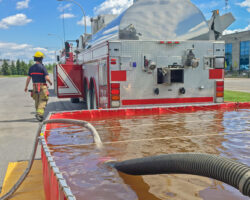
If you are in the market for a slide-in pumper unit, it is important to consider several features before making a decision. A slide-in pumper unit is a versatile piece of equipment that can be easily mounted on a truck or trailer, making it ideal for firefighters, municipal departments, and other emergency response teams. Here are some key features to consider when choosing a slide-in pumper unit:
1. Pumping capacity and performance:
One of the most crucial factors to consider is the pumping capacity and performance of the unit. The pumping capacity refers to the number of gallons per minute (GPM) that the unit can deliver. It is important to assess your specific needs and requirements to determine the appropriate pumping capacity for your application. Additionally, consider the performance of the pump, including its maximum pressure and the efficiency of its operation.
2. Water tank capacity:
Another significant feature to consider is the water tank capacity of the slide-in pumper unit. The size of the tank will depend on the specific application and the duration of use. Consider the volume of water required for firefighting or other emergency situations to determine the appropriate water tank capacity for your needs. A larger water tank can provide longer operational times and more flexibility in handling different scenarios.
3. Type of pump:
There are different types of pumps available for slide-in pumper units, including centrifugal and positive displacement pumps. Centrifugal pumps are commonly used due to their efficiency and ability to deliver high flow rates. On the other hand, positive displacement pumps are known for their ability to provide consistent pressure, making them suitable for specific applications. Consider the pros and cons of each type of pump and select the one that best suits your requirements.
4. Power source:
Slide-in pumper units can be powered by various sources, including gas engines, diesel engines, or electric motors. The choice of power source will depend on factors such as availability, fuel efficiency, and noise levels. Gas engines are typically lighter and more affordable, while diesel engines provide higher torque and better fuel economy. Electric motors are quieter but might require additional infrastructure for charging. Consider these factors when selecting the power source for your slide-in pumper unit.
5. Controls and instrumentation:
The controls and instrumentation of the slide-in pumper unit are crucial for ease of use and efficient operation. Look for a unit with user-friendly controls and clear instrumentation that provides essential information at a glance. This includes features such as pressure gauges, engine monitoring systems, and controls for pump speed and flow rate. Additionally, consider whether the controls can be easily accessed from the truck or trailer for convenient operation in different situations.
6. Hose and nozzle compatibility:
The slide-in pumper unit should have compatibility with a wide range of hoses and nozzles to accommodate different scenarios. Ensure that the unit can connect to standard fire hoses and nozzles and consider any specific requirements you may have. This will ensure versatility and ease of integration with your existing equipment or future upgrades.
7. Durability and maintenance:
A slide-in pumper unit should be built to withstand rugged use and harsh environments. Look for units constructed from high-quality materials such as stainless steel or corrosion-resistant alloys. Additionally, consider the ease of maintenance, including accessibility for routine inspections, repairs, and cleaning. A unit with a reliable warranty and after-sales support can also provide peace of mind.
Conclusion
Choosing the right slide-in pumper unit is crucial for effective firefighting and emergency response operations. Consider the features mentioned above, including pumping capacity, water tank capacity, type of pump, power source, controls and instrumentation, hose and nozzle compatibility, as well as durability and maintenance. By carefully evaluating these features, you can select a slide-in pumper unit that meets your specific needs and ensures efficient and reliable operation in critical situations.
Got Questions? Let Us Help!
Keevac Industries is proud to carry a large selection of portable restrooms, septic, grease, slide-ins, and tank inventory. Our knowledgeable and friendly staff are eager to help you find exactly what you are looking for. As your trusted vacuum truck manufacturer, we can build service trucks to your specifications. We offer nationwide shipping as well as international if needed. Give us a call today to get your vacuum truck project started!
Septic systems are essential for managing wastewater in homes and businesses that aren’t connected to a municipal sewer system. These systems require regular maintenance to ensure they function properly, and that’s where the septic pump truck plays a crucial role. In this post, we’ll explore how a septic pump truck operates and the step-by-step process involved in emptying and maintaining septic systems.
What is a Septic Pump Truck?
A septic pump truck is a specialized vehicle that features a large tank and a powerful vacuum pump. These trucks are designed to efficiently and safely remove and transport waste from septic systems. Depending on the truck’s size, the tank can hold hundreds to several thousand gallons of waste.
The Process of Emptying a Septic Tank
1. Locating the Septic Tank: First, technicians locate the septic tank. They usually access the tank’s manhole cover, often buried underground. Using specialized tools, they uncover and access the tank.
2. Inspecting the Tank: Before pumping out the septic tank, the technician inspects the tank. They check for any signs of damage or leaks to ensure that the tank is structurally sound. This step helps identify issues that need attention.
3. Pumping Out the Waste: Once everything is ready, the septic pump truck positions itself near the tank. The vacuum pump in the truck creates suction, drawing the waste out of the tank. The waste is then stored in the truck’s tank, which is transported to a treatment facility.
4. Cleaning the Tank: After removing the waste, the technician uses a high-pressure water jet to clean the inside of the septic tank. This process removes any remaining residue or buildup, ensuring the tank continues to function optimally.
5. Disposing of the Waste: After the truck’s tank is full, it transports the waste to a treatment facility. There, the waste undergoes proper treatment and disposal, handled in an environmentally responsible manner.
6. Recording and Documentation: The technician documents the septic system’s condition, the volume of waste removed, and any recommendations. This record helps with future maintenance and ensures the system functions properly in the long term.
Additional Services Provided by Septic Pump Trucks
Septic pump trucks offer more than just emptying septic tanks. They also provide essential services that help ensure your septic system runs smoothly over time.
1. Routine Inspections: Regular inspections help identify potential problems early, preventing costly repairs or system failures. The technician evaluates the system’s condition, checks for leaks, and ensures everything flows as it should.
2. Septic Tank Repairs and Installations: If a septic tank needs repairs or replacement, septic pumper trucks have the tools and expertise to do the job. Whether it’s fixing damaged parts or installing a new tank, technicians handle it efficiently.
3. Septic System Design and Evaluation: For new construction or renovations, septic pump trucks can assess the site and design the right septic system. They ensure compliance with local regulations and consider factors like soil type, water table levels, and property size.
Summary: Why a Septic Pump Truck is Crucial for Your Septic System
Septic pump trucks play a vital role in maintaining septic systems. Equipped with specialized technology, technicians use these trucks to safely remove waste, clean tanks, and dispose of the waste efficiently. Additionally, septic pump trucks offer services such as inspections, repairs, installations, and system evaluations. With their help, homeowners and businesses can ensure their septic systems remain in good condition and avoid costly repairs.
Working With Keevac Industries
Keevac Industries is proud to offer a large selection of portable restrooms, septic, grease, slide-ins, and tanks. Our knowledgeable staff is here to help you find the perfect solution. As your trusted septic pump truck manufacturer, we can build custom service trucks to your specifications. We offer both domestic and international shipping. Call Keevac Industries today to start your septic pump truck project!
 Portable restrooms have become an essential part of many outdoor events, construction sites, and other venues where permanent restroom facilities are not available or feasible. These facilities are typically housed in portable restroom vehicles, which are designed to transport and service the portable restrooms. Maintaining high hygiene standards in these vehicles is crucial to ensure the health and satisfaction of the users. In this blog post, we will explore the importance of hygiene standards in portable restroom vehicles and discuss some best practices to achieve and maintain them.
 Portable restroom servicing plays a crucial role in maintaining cleanliness and hygiene at outdoor events, construction sites, and public spaces. Efficient and reliable
 If you run septic, grease, portable sanitation, or industrial routes, the vacuum truck is the machine your whole operation is built around. This guide explains what a vac truck is, how the vacuum system works, the main types, and how to choose one, so you can compare
 If you are in the market for a slide-in pumper unit, it is important to consider several features before making a decision. A slide-in pumper unit is a versatile piece of equipment that can be easily mounted on a truck or trailer, making it ideal for firefighters, municipal departments, and other emergency response teams. Here are some key features to consider when choosing a slide-in pumper unit:
